Choosing Gem Box Inkberry as Your Next Hardy Hedge

Introduction
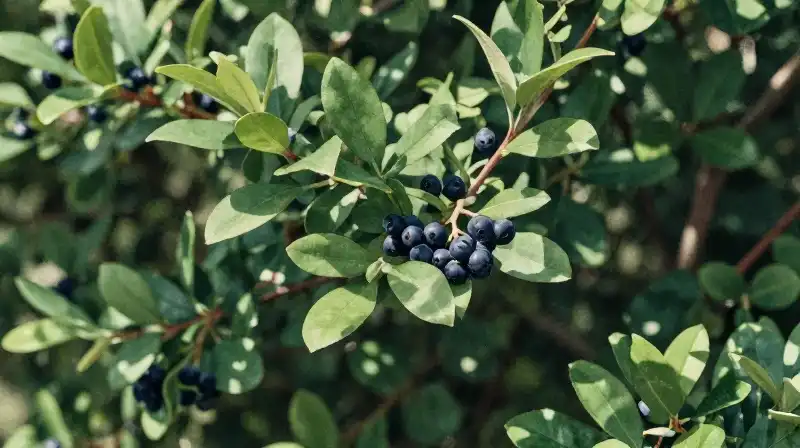
Finding a resilient, aesthetically pleasing replacement for traditional boxwood hedges is a frequent goal for gardeners. Ilex glabra, commonly known as Gem Box Inkberry Holly, is often cited as a hardy solution that offers the density and form of boxwood with potentially broader adaptability. However, unlike generic shrub recommendations, successfully establishing and maintaining Inkberry requires specific attention to its unique environmental demands. Choosing this hedge means agreeing to meet strict requirements regarding soil chemistry, moisture, and drainage to prevent common failures like root rot and stunted growth.
The Critical Role of Soil Acidity
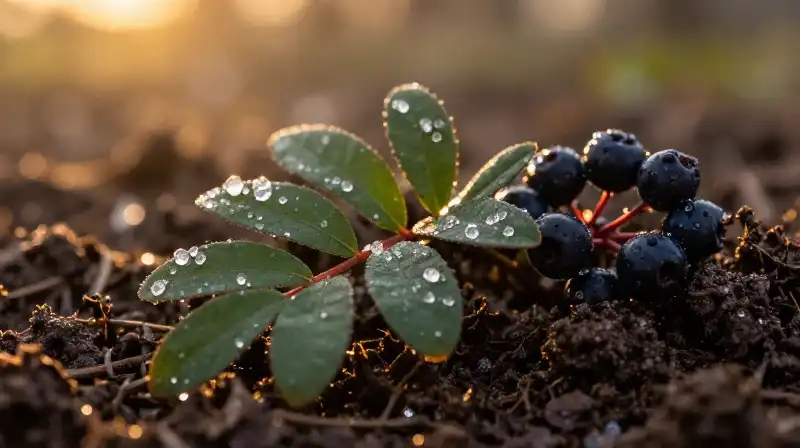
The success of gem box inkberry holly hinges significantly on soil chemistry. This plant thrives when planted in consistently moist and acidic soil. Standard soil recommendations that prioritize neutral pH can often hinder root development and prevent the plant from achieving its full health. Acidic conditions facilitate the uptake of essential nutrients, enabling the dense foliage and vigorous growth characteristic of this shrub. If your existing soil is more alkaline, targeted soil amendments or the use of acid-loving compost is necessary prior to planting.
Ensuring Proper Hydration and Drainage
While Inkberry requires consistent moisture to flourish, it is equally vital that the soil remains well-drained. Heavy, poorly draining clay, even in mild climates, poses a severe risk. Stagnant water leads to anaerobic conditions which accelerate root deterioration. When selecting a location for planting, use level ground to ensure water does not pool and allow water to permeate thoroughly. Successful plant establishment demands a balance: deep, consistent moisture, but never saturation.
Optimizing Light Exposure for Growth
The optimal light exposure for Ilex glabra is nuanced and depends on the desired performance and microclimate. The plant is highly adaptable, ranging from full sun (requiring at least six hours of direct light) to full shade (managing up to four hours of light). In full sun, the hedge will likely exhibit a denser, more robust growth pattern, though it may require slightly more supplemental watering. In full shade, the plant will still thrive, offering excellent foliage, but the growth rate may be slower. Evaluating the available light levels in your landscape will help determine the ideal spot for your new hedge.
Preventing Root Rot and Fungal Threats
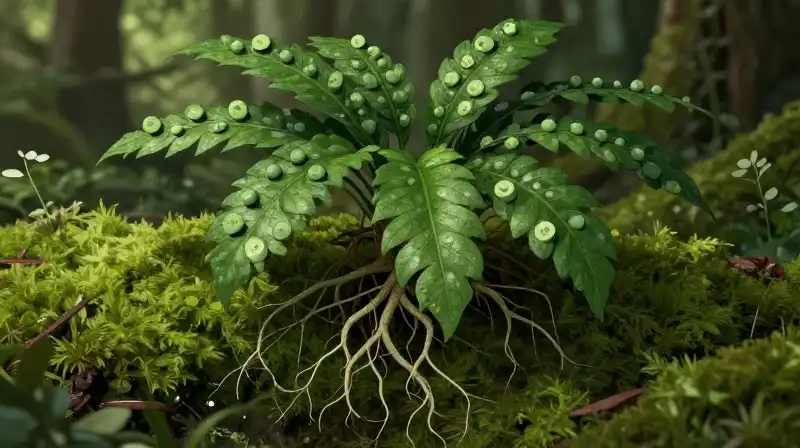
Gardeners must be aware of potential fungal issues, particularly root rot caused by *Thielaviopsis*, a soil-borne pathogen. Because this disease is seldom curable, prevention is the primary focus. The most effective preventative measure is meticulous management of water and soil density. By ensuring excellent drainage and preventing soil from becoming waterlogged, you actively mitigate the risk of fungal infection. Proper planting—where the root collar is slightly above the soil line and fully protected—allows the roots to efficiently absorb moisture and better withstand seasonal freezes.
Alternatives for Different Climate Needs
If the soil conditions of your landscape do not align with the specific acidic and moist requirements of Inkberry, there are several reliable alternatives that suit diverse climates. The choice between these options should be guided by whether your priority is native hardiness, traditional ornamental features, or growth pattern.
Consider these alternatives to Gem Box Inkberry:
- Boxwood: The traditional standard, offering similar density, but often more demanding regarding its specific “old guard” soil preferences.
- Yew: Extremely hardy and slow-growing, providing a formal look that holds up over decades.
- White Cedar or Arborvita: These evergreen options offer excellent visual screening and typically tolerate a wider range of soil types than true boxwood alternatives.
- Juniper or Spruce: Suited for climates requiring extremely cold tolerance, providing texture and shape as hedges.
Hedge Implementation: A Guide to Planting
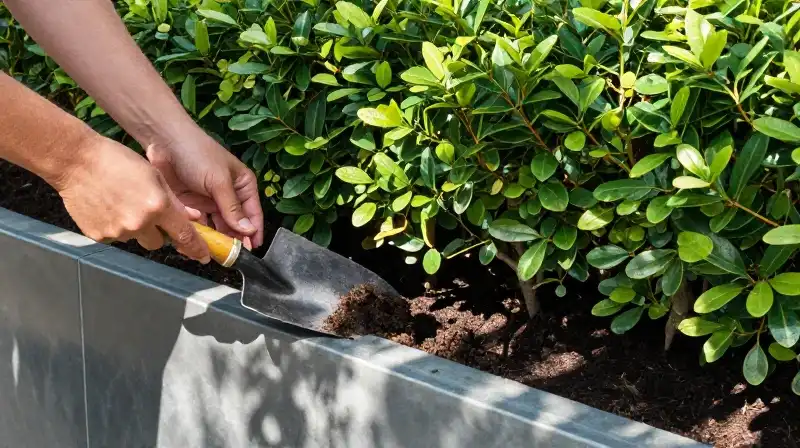
To ensure the long-term health of your gem box inkberry holly, the initial planting phase is crucial. The process must be methodical to provide the plant with the best start possible:
- Preparation: Select level ground to ensure proper runoff.
- Soil Preparation: Incorporate organic material and amendments to ensure the pH is adequately acidic.
- Planting Depth: Dig a hole large enough to accommodate the root ball, ensuring the roots are sufficiently exposed to absorb moisture and withstand winter temperature fluctuations.
- Initial Watering: Give the plant a deep, thorough watering immediately after planting to settle the soil and initiate root development.
Long-Term Maintenance and Care Schedule
Consistency is the cornerstone of maintaining a healthy Inkberry hedge. Regular care focuses on nutrient supply and managing the seasons.
- Fertilization: Apply an early spring evergreen fertilizer to provide the necessary boost for robust growth and color renewal.
- Pruning: Regular, skilled pruning is required to maintain the desired dense, formal shape. Pruning stimulates new, dense growth.
- Water Monitoring: During establishment and periods of extreme weather, monitor soil moisture closely to prevent both dryness and saturation.
Summary of Success: Making the Choice

Successfully integrating Gem Box Inkberry as Your Next Hardy Hedge requires a practical understanding of its horticultural boundaries. While it offers a resilient, high-quality alternative to traditional options, it is not a generic replacement. The primary decision hinges on your ability to maintain consistently moist, acidic soil and guarantee excellent drainage. If your site consistently struggles with heavy, water-retentive clay or a high-pH environment, one of the alternative species like White Cedar or Juniper may offer a more reliable, lower-maintenance success for your specific landscape.
How to Plant Gem Box Inkberry Holly
Preparation
Select level ground to ensure proper runoff.
Soil Preparation
Incorporate organic material and amendments to ensure the pH is adequately acidic.
Planting Depth
Dig a hole large enough to accommodate the root ball, ensuring the roots are sufficiently exposed to absorb moisture and withstand winter temperature fluctuations.
Initial Watering
Give the plant a deep, thorough watering immediately after planting to settle the soil and initiate root development.
Related Articles