Dwarf Arborvitae: Guide to Compact Design and Maintenance

Introduction
Dwarf arborvitae (*Thuja* species) offers a specialized solution for landscape design, providing the stately structure and year-round privacy of traditional evergreens without the expansive footprint. These compact conifers are specifically bred to maintain a narrow, upright, and tidy form, making them the preferred choice for constrained areas, formal gardens, and tight residential spaces. Rather than serving as massive background screening elements, dwarf varieties function as flexible design accents, allowing landscape architects and homeowners to integrate strong architectural lines into limited real estate.
The Value of a Compact Evergreen
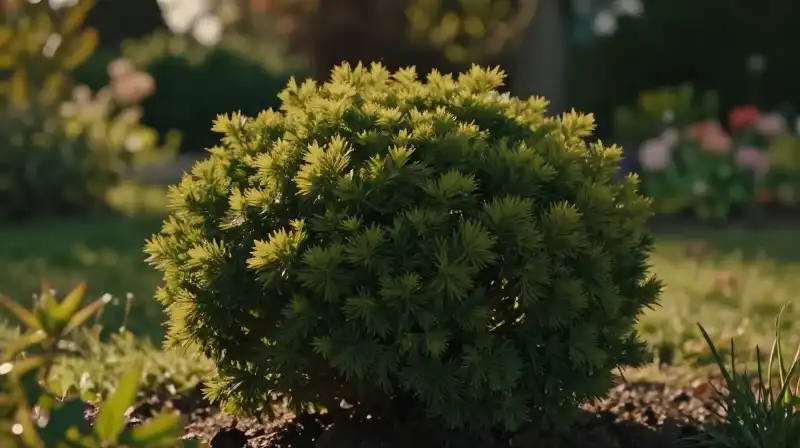
The primary advantage of selecting a dwarf arborvitae over its full-sized counterparts is the ability to achieve powerful visual impact while adhering to strict spatial requirements. Large arborvitaess often demand significant clearance to prevent crowding and ensure proper air circulation, which is critical for health. Dwarf cultivars bypass these constraints, offering dense, rich foliage that provides continuous color and structure throughout all four seasons.
They are ideal for:
-
Small Spaces: Filling gaps between structures or along narrow paths where a standard shrub would overwhelm the area.
-
Formal Design: Providing the clean, geometric lines required for minimalist or highly structured garden layouts.
-
Containers: Thriving in pots, allowing the ability to relocate the shrub easily or customize its placement in small patio areas.
Choosing the Right Dwarf Cultivar
Not all dwarf arborvitaes are created equal; specific varieties offer unique aesthetic and growth characteristics. The optimal choice depends on the desired visual impact and the environmental conditions of the site.
Aesthetic Variety: Emerald vs. Golden
One key differentiation is color and growth habit. While some traditional dwarf types offer a deep, classic green, others feature striking coloration:
-
Emerald Petite: This variety is noted for its naturally narrow, upright, and consistently rich, soft emerald-green foliage. It is well-suited for borders or slim accent plantings where a formal, consistent color is paramount.
-
Dwarf Golden Arborvitae (*Thuja orientalis ‘Aurea Nana’*): This cultivar offers a vibrant golden hue that contrasts beautifully against darker landscape elements. Reaching a mature size of approximately 6 feet tall and 5 feet wide, it brings a distinctive luminosity to the planting site.
The classification of *Thuja orientalis ‘Aurea Nana’* places it within the broader category of Oriental arborvitaess, which originates from Asian landscapes and offers a unique, warm alternative to typical Western arborvitaess.
Design Applications and Placement
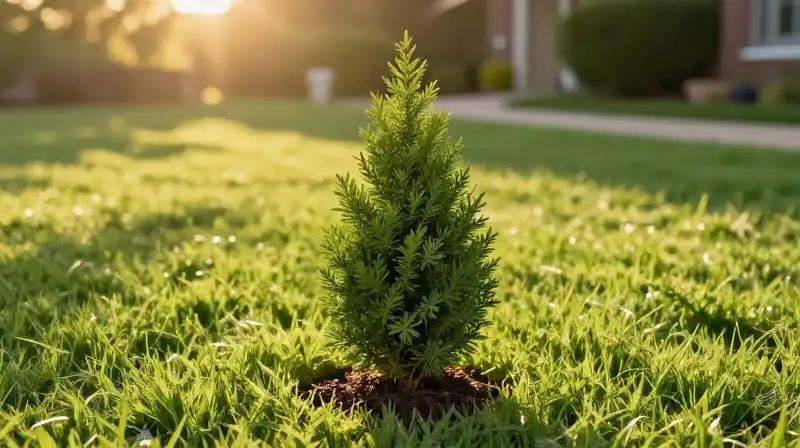
The versatility of dwarf arborvitae allows them to function in multiple roles within a residential landscape. Their manageable size means they can be strategically placed to enhance a space rather than dominate it.
Successful planting scenarios include:
-
Foundation Plantings: Lining the base of a house or structure to provide year-round visual interest and a neat, low border.
-
Tight Screens: Creating a low-profile, dense visual barrier between pathways or patios where a full-height privacy screen is impossible.
-
Accent Planting: Used singly or in small clusters to draw the eye in a garden bed, especially when contrasted with groundcover or flowering plants.
When planting, ensure the root ball is slightly elevated above the surrounding soil line. This prevents moisture from pooling around the crown, which is crucial for maintaining the health of these conifer shrubs.
Cultivation Requirements and Limitations
While dwarf arborvitaes are generally robust and considered low-maintenance, they require specific conditions to thrive. Failure to meet these basic requirements is the most common cause of poor performance.
Environmental Needs
The optimal growing environment is characterized by light and drainage:
-
Light: They perform best in conditions ranging from Partial Sun to Full Sun, requiring at least six hours of direct sunlight to maintain compact growth and dense foliage.
-
Soil: Well-drained, moist soil is essential. Arborvitaess dislike sitting in soggy conditions, which can quickly lead to root rot.
-
Temperature and Zone: Most varieties, including common species, are suitable for USDA hardiness zones 6 through 9, requiring consistent year-round structure even through winter.
Known Limitations
Potential buyers must acknowledge inherent risks to ensure successful planting:
Despite their compact nature, these shrubs are generally vulnerable to certain pressures. They may not be the most effective barrier in areas facing intense deer pressure, and like all evergreens, they require vigilance against common pests like spider mites.
Maintenance and Growth Management
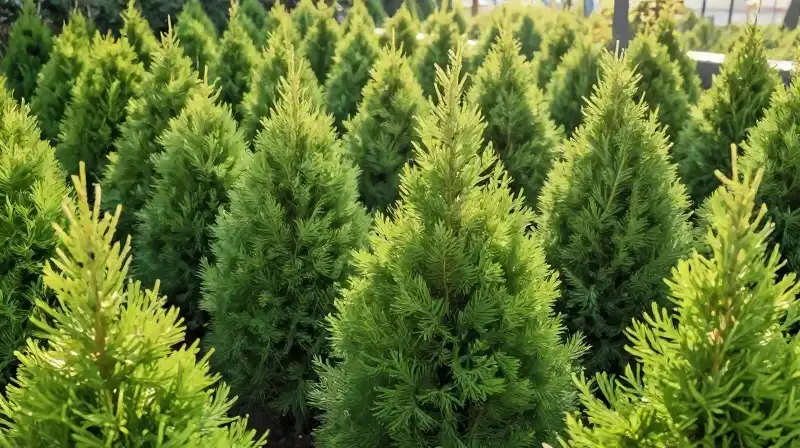
Proper upkeep ensures the plant maintains its desired compact, pyramidal shape. Maintenance is less about intensive care and more about managing structure and environment.
Pruning and Shaping: Dwarf varieties generally retain their natural shape, but light pruning is beneficial for maintaining a tight, tidy silhouette. If hedging is desired, selective shearing is appropriate during the late winter to early spring before new growth begins. The primary goal of pruning should be to maintain the plant’s intended architectural form.
Fertilization: To support vigorous foliage growth, a slow-release, high-nitrogen fertilizer can be applied in early spring. Consistent watering should be maintained during dry spells, especially when the plants are newly established, though they become highly adaptable once firmly set in the site.
Preventing Common Issues: The most frequent horticultural mistake is overwatering, which leads directly to root rot. Always allow the soil surface to dry slightly between deep waterings. Additionally, organic mulch applied around the base helps retain moisture and regulates soil temperature.
Summary of Decisions for Successful Planting
Selecting and maintaining a dwarf arborvita offers landscape designers significant control over how evergreens fit into small, formal, or constrained environments. To achieve successful results, focus on the following three criteria:
-
Verify Site Needs: Ensure the planting area receives adequate sunlight and, critically, that the soil is impeccably well-drained to prevent the spread of root rot.
-
Match Form to Function: Decide whether you need the consistent emerald form of Emerald Petite for a subtle border or the striking color of the Dwarf Golden Arborvita for a focal point accent.
-
Manage Expectations: Understand that while these plants are low-maintenance, they are slow-growing and require occasional seasonal shaping and protection from specific local pressures like pests or heavy browsing.
Plant and Maintain Dwarf Arborvita
Verify Site Needs
Ensure the planting area receives adequate sunlight (at least six hours for full sun) and that the soil is well-drained to prevent root rot.
Choose the Right Cultivar
Select between varieties like Emerald Petite (for a formal, consistent green) or Dwarf Golden Arborvita (for a vibrant golden hue) based on your desired function and aesthetic.
Position and Plant
Strategically place the plant for foundation plantings, tight screening, or accent use, ensuring the root ball is slightly elevated above the surrounding soil line.
Apply Fertilizer and Water
Apply slow-release, high-nitrogen fertilizer in early spring to support vigorous growth, and maintain consistent watering during dry spells, especially when newly established.
Manage Maintenance
Allow the soil surface to dry slightly between deep waterings to prevent overwatering and root rot, and apply organic mulch around the base to regulate soil temperature.
Related Articles