Podocarpus Maki Care: Growing, Uses, and Common Issues

Introduction
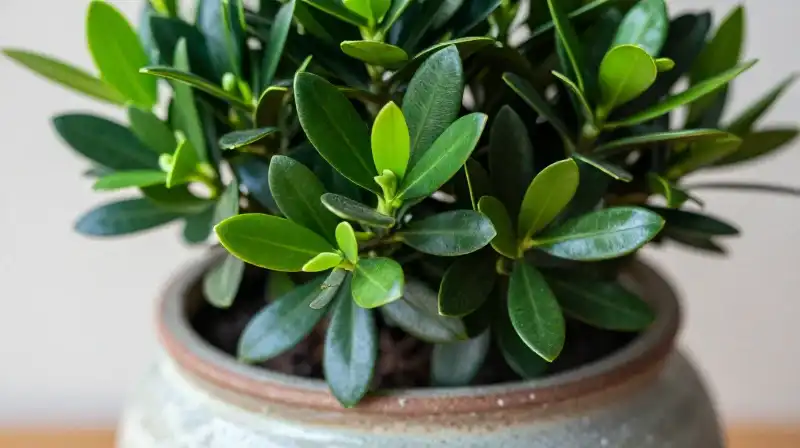
The Podocarpus macrophyllus var. maki, commonly known as Maki Podocarpus, is a sought-after evergreen plant valued for its dense, compact form and pleasant fragrance. Originating in southern regions of China, Myanmar, Taiwan, and Japan, this broadleaf species translates well across various garden designs. Unlike plants that demand perfect conditions, the Maki variety offers robust resilience—highly tolerant of drought, moderate heat, and even salt exposure. It is a versatile ornamental choice, transitioning seamlessly from a towering garden screen to a refined indoor specimen. Understanding its specific care requirements, from ideal soil pH to winter management, ensures the Maki Podocarpus thrives whether used as a hedge, a specimen, or a statement piece in interior décor.
Ideal Growing Conditions and Resilience
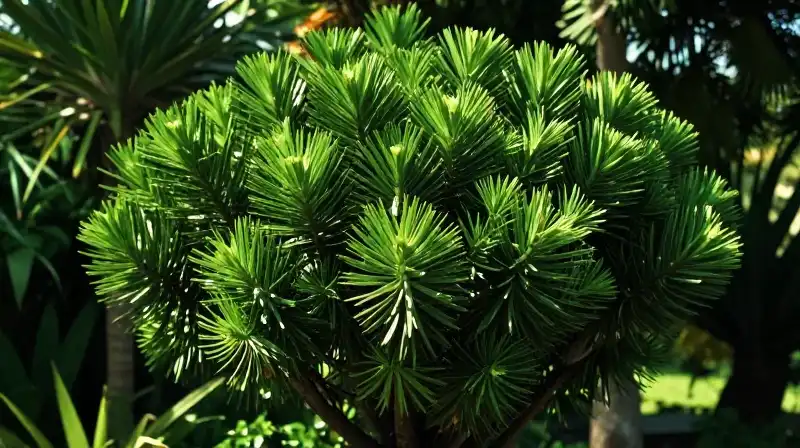
For the best results, the Maki Podocarpus requires a environment that offers consistent moisture while maintaining excellent drainage. While it prefers rich, fertile, and slightly acidic soil, its inherent hardiness allows it to adapt to challenging urban conditions, making it particularly suited for coastal areas or rock gardens.
Light and Temperature Tolerances
The plant thrives in areas receiving full sun, which promotes the densest foliage. However, it is remarkably tolerant of partial shade and can survive in low light conditions when placed indoors. Its ability to tolerate moderate heat is a significant advantage, allowing it to succeed in warmer climates. In colder regions, the Maki Podocarpus must be treated as a sensitive plant. While some varieties show limited hardiness, the Maki is best grown as a container plant that must be brought indoors during freezing temperatures to protect its delicate roots.
Water and Soil Preferences
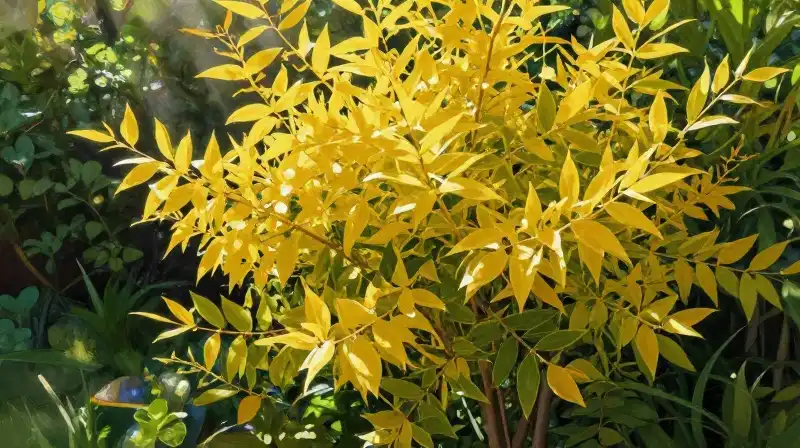
Although highly drought-tolerant, consistent deep watering is necessary during peak growing periods to maintain the plant’s dense, vibrant green color. The soil must be rich in organic matter and possess a slightly acidic pH. Over time, if the soil becomes alkaline, the plant may exhibit chlorosis, visible as yellowing leaves, signaling a need for pH adjustment or enrichment with acid-loving fertilizers.
Shaping, Height, and Landscaping Uses
One of the most practical aspects of the Maki Podocarpus is its controlled and manageable size. The ‘Maki’ cultivar is typically maintained at a height of 8 to 10 feet, providing a defined scale for landscaping projects. Its dense, feathery foliage and inherent ability to take a shear are key factors in its utility across multiple design categories.
The plant’s functional uses include:
- Hedges and Screens: Its tight growth habit makes it an excellent choice for formal, well-maintained hedges or as a natural, living barrier (a maki podocarpus hedge).
- Specimen Plants: When allowed to grow in a less manicured state, the Podocarpus provides a striking, sculptural element to a garden.
- Topiary and Ornament: The Maki adapts exceptionally well to shearing, allowing gardeners to create intricate, formal shapes, transforming it into an ideal topiary candidate.
- Indoor Décor: Its attractive, fragrant foliage makes it a popular, robust choice for interior plants, where its aesthetic appeal and manageable size shine.
Addressing Common Podocarpus Maki Problems
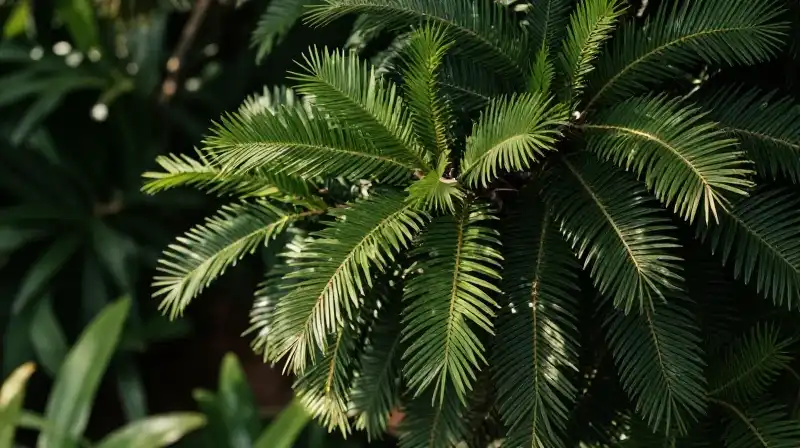
While resilient, the Maki Podocarpus is not immune to certain maintenance issues. Recognizing the signs of distress early allows for timely intervention.
Signs of Stress and Disease
Common issues faced by maki podocarps include:
- Chlorosis: Yellowing leaves, particularly on older growth, usually points to nutrient uptake issues, most often related to overly alkaline soil (a pH problem).
- Pest Infestation: When grown in confined indoor spaces, the plant can sometimes develop scale, a small, immobile pest. Regular inspection and treatment are necessary to prevent widespread damage.
- Water Stress: While drought-tolerant, chronic underwatering will cause leaf drop and brittle foliage. Conversely, waterlogging will lead to root rot.
Practical Maintenance and Seasonal Care
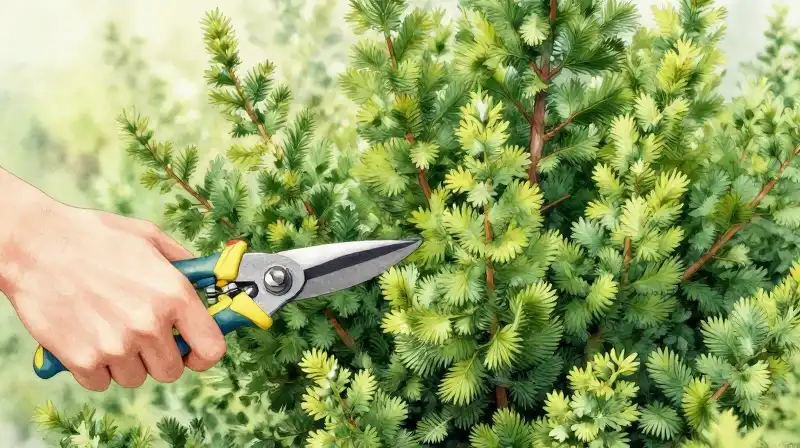
Optimal maintenance involves a blend of seasonal monitoring and consistent, light pruning. Regular shearing, while common for formal hedges, should be done judiciously. Over-shearing can encourage weak, leggy growth. Instead, use shaping to maintain density and guide the plant’s form.
The pleasant fragrance of the foliage when gently crushed is a natural benefit, and proper care ensures this aromatic quality remains strong. If the plant is being grown outdoors in winter, it is critical to monitor freeze lines, as cold temperatures can severely damage the foliage and structure.
Safety and Important Considerations
When considering the Podocarpus maki for your garden or home, two crucial factors require attention: its hardiness limits and its toxicity.
It is important to note that while the Maki is versatile, its hardiness is conditional. In freezing climates, it must be housed indoors. Furthermore, a vital safety warning must be communicated: the seeds of the Podocarpus macrophyllus are light blue and fleshy, and they are poisonous to children. Proper gardening practice involves secure storage and careful handling of any fallen plant material.
Final Summary of Care Criteria
Successfully growing a Maki Podocarpus relies on balancing its love for structure and its tolerance for environmental fluctuation. To ensure your Podocarpus macrophyllus var. maki thrives, prioritize a rich, well-draining, slightly acidic medium and a location that receives at least partial sun. Whether you are using it for a dense screen or as a unique indoor specimen, consistent monitoring for soil pH and pest buildup will maintain its iconic dense, conical form. By respecting its specific environmental needs and adhering to safety precautions, this resilient evergreen will provide a lasting, aromatic aesthetic to any landscape.
Frequently Asked Questions
What are common Podocarpus Maki problems?
Common problems include chlorosis, which is often due to nutrient uptake issues related to alkaline soil, and pest infestations, such as scale, when grown indoors. Water stress is another concern, which can cause leaf drop and brittle foliage from underwatering, or root rot from waterlogging.
What are common podocarpus maki problems?
Common issues faced by maki podocarps include chlorosis—yellowing leaves usually related to overly alkaline soil—pest infestations such as scale, and water stress from either chronic underwatering or waterlogging.
Is Podocarpus Maki cold hardy?
In colder regions, the Maki Podocarpus must be treated as a sensitive plant and should be brought indoors during freezing temperatures to protect its delicate roots.
How to Care for Maki Podocarpus
Select the Location
Provide a spot with full sun for dense foliage, or partial shade/low light if growing indoors.
Prepare the Soil
Use a rich, fertile, well-draining soil that is slightly acidic and high in organic matter.
Water the Plant
Ensure consistent deep watering during peak growing periods, but avoid waterlogging to prevent root rot.
Monitor Soil Health
Regularly check soil pH. If the soil becomes alkaline, apply pH adjustment or acid-loving fertilizers.
Maintain Temperature
In freezing climates, treat the Maki as a sensitive plant and bring it indoors during freezing temperatures.
Prune and Shape
Use judicious shearing or shaping to maintain density and guide the plant's form, avoiding over-shearing which causes leggy growth.
Check for Problems
Regularly inspect the plant for pests like scale and watch for signs of stress, such as chlorosis (yellow leaves).
Ensure Safety
Because the seeds are toxic, practice secure handling and proper disposal of fallen plant material.
Related Articles