Growing Pink Skullcap: Care, Conditions, and Landscape Uses

Introduction
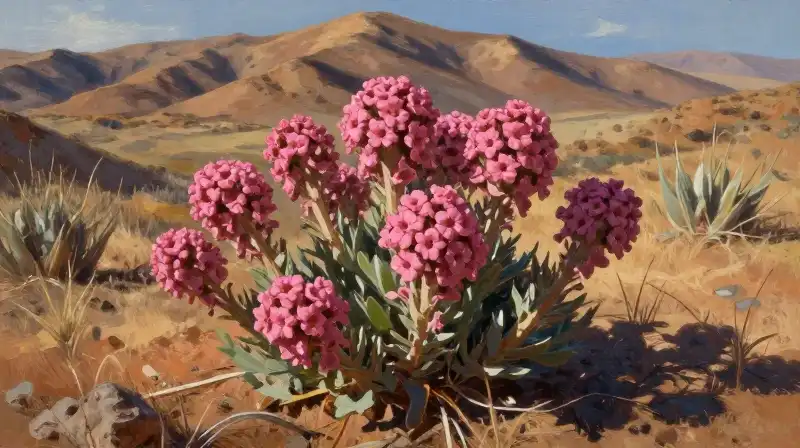
Pink Skullcap (Scutellaria suffrutescens) offers a vibrant, low-maintenance solution for adding dramatic color and texture to a landscape. This striking perennial is defined by its delicate, hot pink, two-lipped flowers that emerge from a dense, mounding habit. If you are seeking a drought-tolerant accent plant that delivers year-round visual interest—from its attractive grey-green foliage in summer to its prolific bloom throughout the season—the Pink Skullcap is an excellent choice. This guide outlines the specific environmental needs, care techniques, and best ways to incorporate this versatile plant into your garden.
Plant Profile and Climate Suitability

Understanding the inherent nature of the Pink Skullcap is key to ensuring its success. It is an herbaceous perennial known for its resilience, making it suitable for gardeners who prefer plants that require less intensive upkeep.
Growth Characteristics:
- Growth Habit: Low, mounding, and compact.
- Mature Size: Typically reaches a height of up to 1 foot and spreads up to 2 feet wide.
- Foliage: Attractive, oval leaves with a distinctive grey-green color.
- Hardiness: Highly adaptable, thriving in USDA hardiness zones 6 through 10.
Sun and Soil Requirements:
The Pink Skullcap is highly versatile regarding light, but preference matters for maximizing bloom duration.
- Light: It thrives in full sun exposure, where it will likely offer the most intense flowering. However, it is also capable of tolerating partial shade, though blooms may be slightly reduced under less intense light.
- Soil: The most critical factor is drainage. The plant requires well-drained soil. Because it is prone to root issues in soggy conditions, ensure your planting area allows for excellent drainage.
Cultivation and Ongoing Maintenance
Successful growing of this plant relies on establishing the correct conditions early on and providing minimal, targeted care throughout the growing season.
Planting and Establishment:
When planting, ensure the soil is amended to improve drainage, especially if your native soil is heavy clay. Because the plant establishes a low, mounding form, proper spacing is essential to allow its foliage to spread naturally without overcrowding.
Watering and Feeding:
As a drought-tolerant plant, the Pink Skullcap handles dry periods well once established. Deep, infrequent watering during the initial establishment phase is sufficient. However, during prolonged extreme heat, light watering can help maintain its vibrant color.
Nutrient needs are moderate. A light application of balanced fertilizer during the spring is recommended to kickstart the season. This supplemental feeding provides the energy needed for robust flowering.
Deadheading for Continuous Bloom:
To encourage the Pink Skullcap to produce continuous blooms from spring through fall, routine maintenance of deadheading is necessary. Regularly removing spent flowers directs the plant’s energy back into producing new blossoms rather than setting seed.
Practical Landscape Uses

Due to its compact size and vivid hot pink coloration, Pink Skullcap makes an ideal accent plant for numerous garden scenarios, helping to brighten spaces and provide a continuous pop of color.
Where to Use Pink Skullcap:
This plant is versatile and effective in several settings:
- Borders and Edging: Its low-growing habit makes it perfect for edging perennial beds or defining pathways, creating a clean, colorful line.
- Containers: It performs exceptionally well in pots, offering a dense, colorful focal point, especially when paired with contrasting foliage.
- Filling Space: In large groupings or masses, Pink Skullcap provides a uniform blanket of pink, creating a powerful visual impact in sunny areas.
Addressing Common Pink Skullcap Questions
Gardeners often have specific concerns about the behavior of this plant. Below are detailed answers to common questions regarding its traits and viability in different settings.
What is the typical size of Pink Skullcap?
A mature, healthy Pink Skullcap usually reaches a height of around 1 foot and spreads up to 2 feet across. Its low, mounding form is one of its greatest assets in landscape design, allowing it to fill space without becoming overly tall.
Is Pink Skullcap deer resistant?
While specific studies vary, Pink Skullcap is generally regarded as having a tolerance to browsing by deer. It is often utilized in areas where a moderate level of animal pressure might exist, though heavy deer pressure may require supplementary deterrent measures.
What is the scientific name of Pink Skullcap?
The plant is scientifically identified as Scutellaria suffrutescens. Recognizing this helps in sourcing the plant and understanding its botanical classification.
Does Pink Skullcap have any specific native range considerations?
As a well-established, adaptable ornamental, it has been cultivated globally. Its ability to thrive across various regions (Zones 6-10) suggests it is highly resilient, though specific regional variations in growth rate may apply based on microclimates.
Practical Considerations for Success

To ensure the Pink Skullcap remains a successful addition to your landscape, remember that consistency in soil health and maintenance directly impacts its longevity and blooming quality.
Crucial Growing Tips:
- Prioritize Drainage: Do not compromise on soil drainage. This is the most critical preventative measure against root rot.
- Light Requirements: While it handles partial shade, it achieves its full, vibrant potential and maximum bloom count when placed in a spot receiving full sun.
- Nutrient Management: Treat spring feeding as an investment in continuous color. Regular deadheading prevents the plant from shifting its resources toward seed production, keeping the blooms coming.
How to grow Pink Skullcap
Prepare the soil
Ensure the soil is amended to improve drainage, especially if your native soil is heavy clay.
Select a planting location
Place the plant in a spot receiving full sun for the most intense flowering, although it can tolerate partial shade.
Initial watering and maintenance
Provide deep, infrequent watering during the initial establishment phase. After establishment, it is a drought-tolerant plant.
Feed the plant
Apply a light application of balanced fertilizer during the spring to kickstart the season.
Encourage continuous bloom
Regularly remove spent flowers (deadheading) to direct the plant's energy back into producing new blossoms.
Related Articles