Ficus Triangularis Care: Growing and Maintaining the Triangle Ficus

Introduction
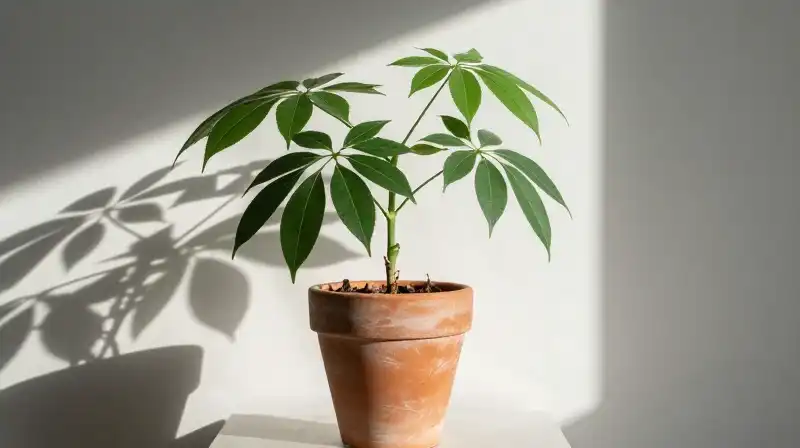
The Ficus triangularis, or Triangle Ficus, is an elegant and distinctive specimen prized for its dark green, glossy foliage and unique triangular leaf shape. Native to South Africa, this plant combines traits that can be challenging for the novice grower: it possesses stem-storing drought tolerance while simultaneously being highly vulnerable to root rot if its moisture requirements are not met precisely. Understanding the nuanced care of this species is essential to ensuring its vibrant health and preventing the rapid decline associated with overwatering. Whether you intend to grow it as a striking indoor ornamental or as a manageable outdoor feature, successful cultivation requires strict adherence to its specific light, water, and environmental needs.
Light Requirements: Indoor vs. Outdoor Placement

One of the most common points of confusion regarding the Ficus triangularis is whether it should be kept exclusively indoors. While it makes an exceptional houseplant, its optimal needs dictate careful placement based on available sunlight.
For Indoor Cultivation:
If you plan to keep the Triangle Ficus indoors, it requires bright, indirect light. It must be positioned away from direct window glass where intense afternoon sunlight can penetrate and cause leaf scorching. Indirect light provides the energy needed for healthy growth without the risk of burning the glossy, dark foliage. This setting is suitable for indoor maintenance in USDA zones 12–13.
Outdoor Cultivation and Sun Tolerance:
The plant can be grown outdoors, but it must be introduced to sun gradually. It requires partial to full sun for a minimum of four to six hours daily. Because the plant is accustomed to lower light conditions, abruptly moving it into intense full sun can stress it. The transition must be managed slowly, allowing it time to adapt to the necessary light intensity.
To answer the question of whether Ficus triangularis can take full sun: Yes, but only if the plant is acclimated to it over time and if adequate protection is in place to prevent leaf scorching.
Water and Soil Mastery: Preventing Root Rot
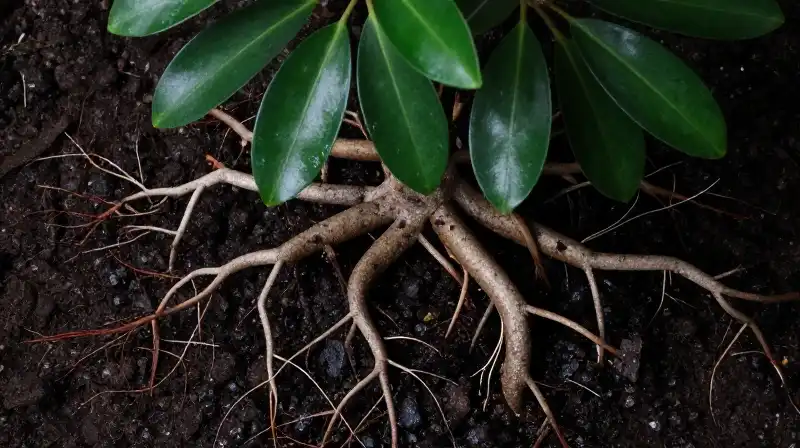
The core challenge of maintaining the Triangle Ficus lies in balancing its drought-tolerant nature (due to water-storing stems) with its extreme sensitivity to poor drainage and overwatering. A “drought-tolerant” label often misleads new owners into frequent watering, which is the primary cause of failure.
The Critical Need for Specialized Drainage
The most important factor in Ficus triangularis care is the quality of the soil. You must use a specialized, well-draining potting mix. Standard garden soil will retain too much moisture, leading to insufficient aeration and a high risk of stem and root rot.
- Soil Composition: Opt for an airy mix that incorporates components like perlite, coarse sand, or bark to ensure rapid water percolation.
- Watering Protocol: Watering should occur only when the top inch of the soil has completely dried out. This typically means watering every seven to ten days during the active growing season, but this frequency must be determined by checking the soil, not by a calendar.
To prevent common watering errors, ensure that the pot always has excellent drainage holes and is not placed in a decorative saucer that will hold residual moisture.
Optimizing Environmental Conditions
Beyond light and water, several environmental factors influence the health and vigor of the Triangle Ficus.
Temperature and Humidity
The plant thrives in warm conditions, preferring temperatures between 65°F and 75°F. Sudden temperature fluctuations, cold drafts, or exposure to external air vents must be avoided, as these stress the plant significantly. Moderate to high humidity levels are highly beneficial, aiding leaf health and encouraging robust growth.
Feeding and Maintenance
During the peak growing period in the spring, the plant benefits from regular fertilization. Use a balanced, water-soluble NPK fertilizer (5-10-5) once a year. During the cooler winter months, it is best to reduce or cease feeding entirely to allow the plant to conserve energy.
For maintaining its unique shape and health, gentle pruning of the flexible stems may be necessary to maintain an ornamental form. This is often a desirable step if you are looking to develop a more structured, bonsai-like presentation.
Propagation and Growth Potential
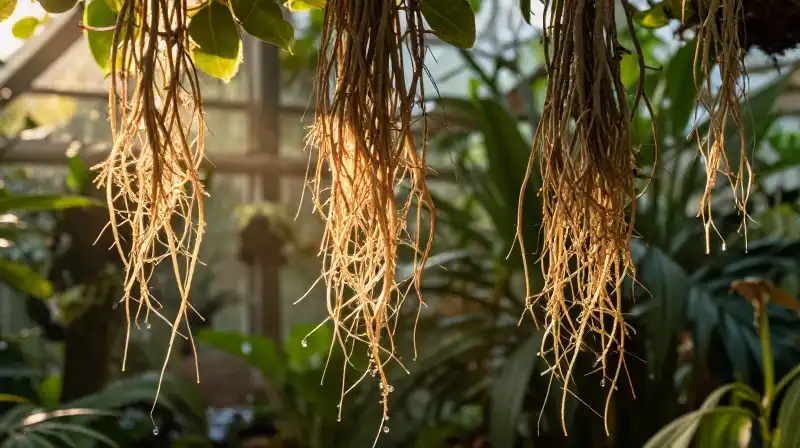
The Ficus triangularis can be successfully propagated, allowing enthusiasts to expand their collection. The most reliable method is through stem cuttings.
To propagate the plant: Select a healthy, mature stem, remove a cutting, and ensure it is free from visible disease or blemishes. Plant the cutting into a well-draining rooting medium and maintain high humidity until the roots establish themselves. The plant can eventually reach a manageable size as an indoor specimen or continue to grow outdoors as a medium-sized tree.
While many Ficus varieties are studied for their variegation, finding a naturally variegated form of Ficus triangularis is less common, making the standard glossy green variety highly sought after in specialized collections.
Practical Care Synthesis
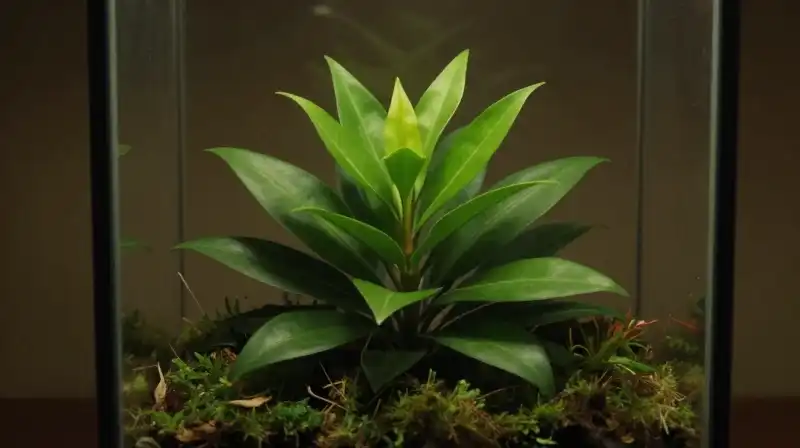
The Triangle Ficus is a rewarding plant that rewards precise, attentive care. It is not a difficult plant in the sense of being “low maintenance,” but it is difficult in the sense that it demands specific, correct practices. The single most important decision in its care is prioritizing drainage and avoiding the temptation to overwater, even if the soil appears dry. By selecting a specialized potting mix, monitoring the top inch of soil before watering, and providing appropriate, indirect light, you can ensure this striking species thrives in its subtropical home, whether indoors or outdoors.
Explore more: Celtic Symbols for Brotherhood: Meanings and Interpretations
Frequently Asked Questions
Can Ficus triangularis take full sun?
Yes, Ficus triangularis can take full sun, but it must be gradually acclimated over time. It requires adequate protection to prevent leaf scorching, even when exposed to full sun for four to six hours daily.
Is Ficus triangularis an indoor plant?
The Ficus triangularis makes an exceptional houseplant and can be kept indoors provided it is given bright, indirect light. While it can also be grown outdoors, it is frequently referenced as an indoor ornamental.
Is Ficus triangularis a rare plant?
Finding a naturally variegated form of Ficus triangularis is less common, which makes the standard glossy green variety highly sought after in specialized collections.
How to propagate Ficus triangularis using stem cuttings
Select a Healthy Stem
Select a healthy, mature stem that is suitable for propagation.
Prepare the Cutting
Remove a cutting and ensure it is free from visible disease or blemishes.
Plant the Cutting
Plant the cutting into a well-draining rooting medium.
Maintain Humidity
Maintain high humidity around the cutting until the roots establish themselves.
Related Articles