Philodendron Tortum Care: Essential Guide to Growing Fernleaf Philodendrons

Introduction
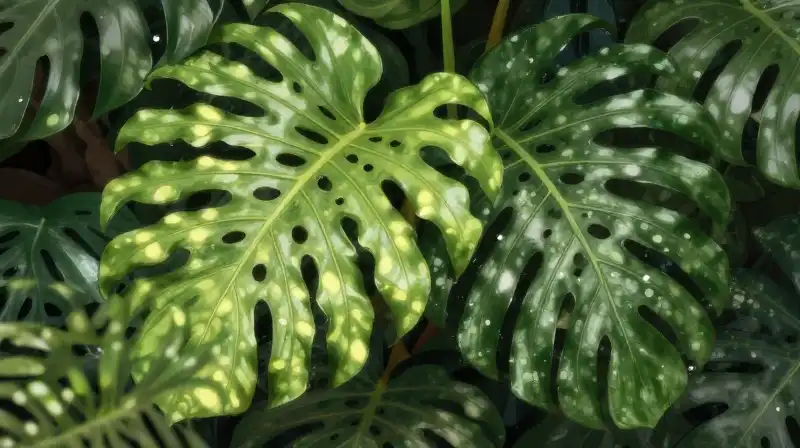
The Philodendron tortum, commonly known as the Fernleaf Philodendron, is a highly sought-after tropical climber prized for its graceful, long, and continuously expanding foliage. While its striking appearance draws attention, successful long-term growth hinges on understanding that a robust root system is far more crucial for the plant’s health than the initial lushness of its leaves. Native to the rainforest regions of Brazil and Bolivia, the tortum requires a careful balance of light, moisture, and support to thrive as it matures. This guide moves beyond generic plant advice, offering specific strategies for cultivation—from ideal artificial lighting specifications to advanced pruning techniques—that transform a decorative plant into a lush, healthy specimen. Whether you seek to propagate a cutting or manage a large, climbing vine, mastering the care of your tortum philodendron requires addressing its unique need for both direct and indirect light, coupled with precise watering methods to prevent the common fatal mistake: overwatering.
Optimal Light Conditions for Fernleaf Philodendrons
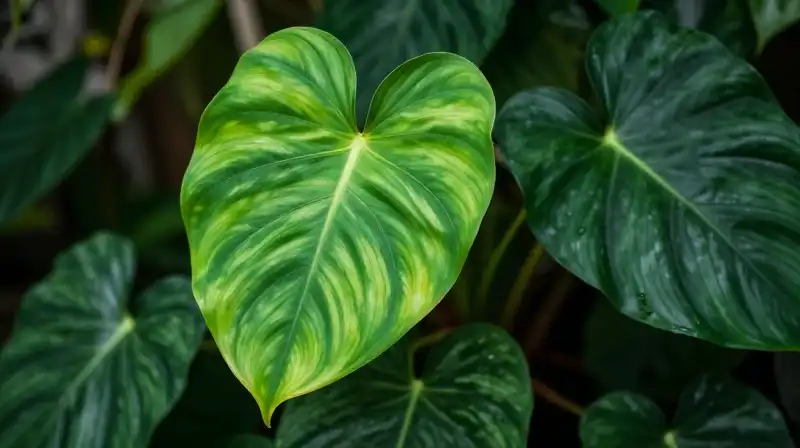 Light management is arguably the most critical factor in the success of the Philodendron tortum. Because this plant is a tropical species that naturally grows under a canopy, it requires specific light conditions to maximize leaf expansion and robust growth.
Natural Light Requirements
In a typical indoor environment, the Philodendron tortum prefers medium to bright indirect light. Placing it near an unobstructed east or west-facing window is ideal. If placed in direct natural light, it requires a limited exposure, approximately two hours of direct sun combined with plenty of indirect light, which prevents leaf scorching.
Supplementation with Grow Lights
For areas lacking sufficient natural illumination, supplementing with artificial light is highly effective. The most efficient growth is achieved using white LED grow lights, set to a specific intensity and duration:
- Intensity: 200–400 FC (Foot-Candles)
- Duration: 12 hours daily
These controlled settings mimic the intense yet diffused light the plant receives in its natural habitat, ensuring continuous, vibrant development.
Mastering the Watering and Hydration Process
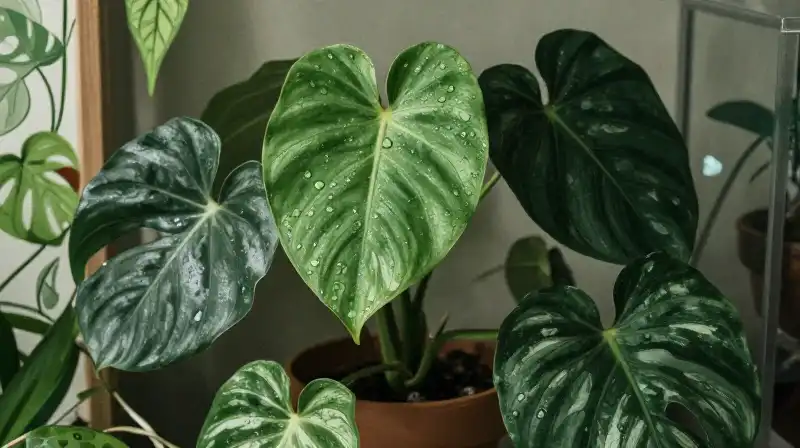 The most frequent cause of distress for the Philodendron tortum is overwatering. Instead of routine watering schedules, care should be dictated by the condition of the substrate, requiring a hands-off yet observant approach. To maintain a healthy root system and prevent root rot, always allow the top few inches of the potting medium to dry completely between waterings. When it is time to water, saturate the substrate thoroughly until excess water drains freely from the drainage holes. This process ensures that the entire root mass is evenly hydrated, preventing dry patches while encouraging proper drainage.
Building the Perfect Growing Substrate
The potting medium must provide aeration for the roots while retaining the necessary moisture the tortum requires. A custom blend is superior to standard pre-mixed soil for achieving optimal drainage and nutrient delivery. A high-quality substrate should be a mixture of:
- Standard potting mix (such as coco coir or peat moss)
- Bark chips
The recommended ratio for this mixture is 3 parts standard potting mix to 1 part bark chips. This blend offers the moisture retention of the peat while the bark chips provide essential “air pockets” for superior root health.
Nutrient Management and Fertilization Strategies
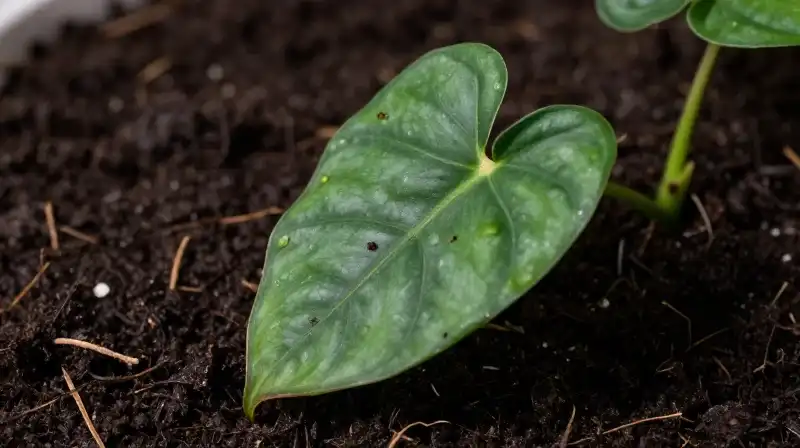 Consistent nutrient supply supports the tortum’s vigorous growth and deep green coloration. Fertilization should be focused during active growth phases, typically spring and summer, when the plant is actively putting out new leaves. For optimal leaf development, a high-nitrogen fertilizer is recommended. Specifically, a ratio of 3-1-2 is useful for supporting the lush foliage characteristic of the Fernleaf Philodendron. Applying fertilizer during active growth ensures that the plant has the energy required to sustain its increasing size, while avoiding heavy feeding during dormant periods prevents salt buildup in the soil.
Direct Guidance on Training and Structural Support
 Unlike many Philodendrons, the Philodendron tortum is a climber. Allowing it to trail indefinitely can result in a less structured, sprawling plant. To achieve a mature, “shrub-like” appearance, the plant requires support. A support structure, such as a moss pole, a sturdy totemic stake, or placement against a wall, is necessary. This structure allows the vine to elongate while guiding its growth, preventing it from becoming a sprawling mess. Periodic pruning of new growth is advised to direct the plant’s energy toward branching rather than solely focusing development along a single stem. Pinching back newer growth is also a practical way to encourage lateral development.
Propagating Your Philodendron Tortum
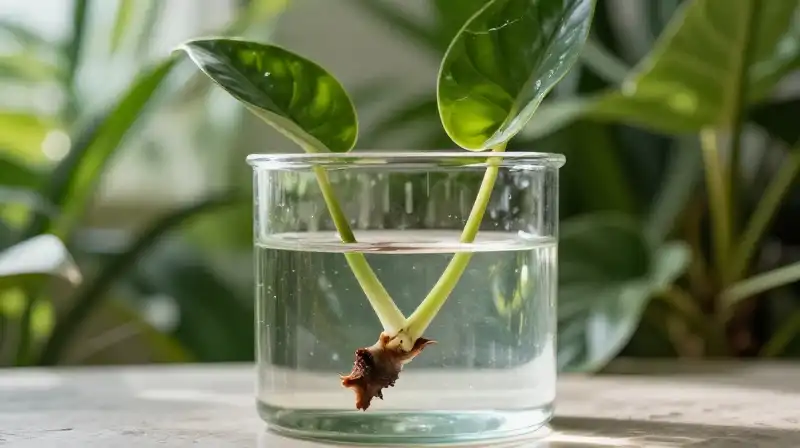 One of the most rewarding aspects of owning this plant is its ease of propagation. Using node cuttings allows you to multiply your collection. The process involves taking cuttings from the vine’s nodes and placing them in a controlled environment. A sealed box filled with moist sphagnum moss is an ideal propagator. During this phase, cuttings require gentle indirect light or 12 hours of white LED grow light. As they begin to establish roots, they can be moved to their own suitable pots.
Maintenance: Managing Pests and Environmental Concerns
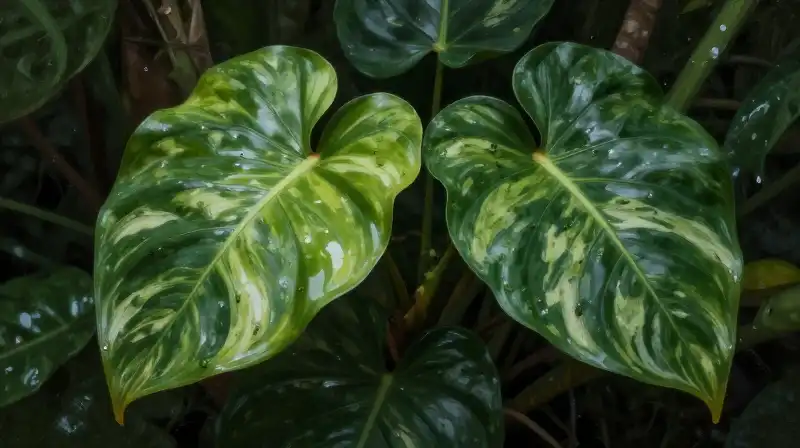 Even the easiest-to-care-for plants can face issues. The primary threats to the Philodendron tortum are pests, and maintaining appropriate environmental conditions is key to prevention.
Pest Control
Common pests found on this plant include spider mites, mealybugs, scale, and thrips. If these pests appear, they require vigilant, weekly treatment. Insecticidal soap is an effective, immediate solution for managing outbreaks. Early detection is vital, as infestations can spread quickly.
Environmental Comfort
While the Philodendron tortum is resilient, it adapts best to environments with above-average relative humidity. If the air in your indoor space is dry, misting or grouping plants together can help boost the local humidity around the plant.
Prioritizing Health: Toxicity and Practical Cautions
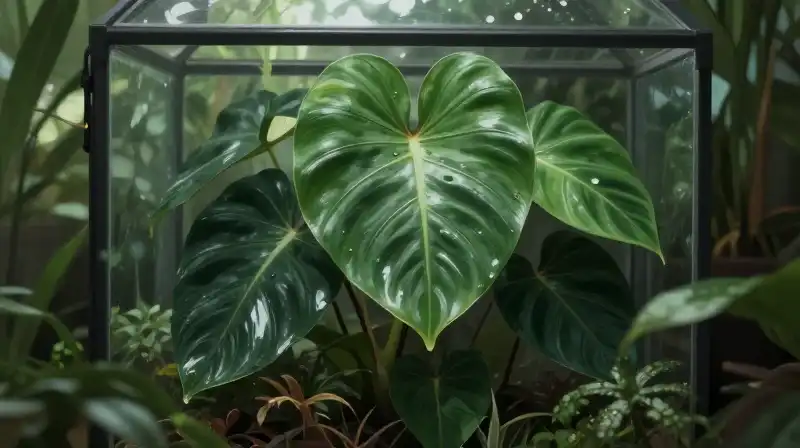 The Philodendron tortum is noted for being easy to grow and its ability to purify indoor air, but it does possess potential hazards. Because the plant is mildly toxic, it must be handled with caution. Its sap can cause discomfort upon skin contact or if the plant material is ingested by pets or children, so appropriate distance and supervision are required in a home environment.
Summary of Optimal Growth Parameters
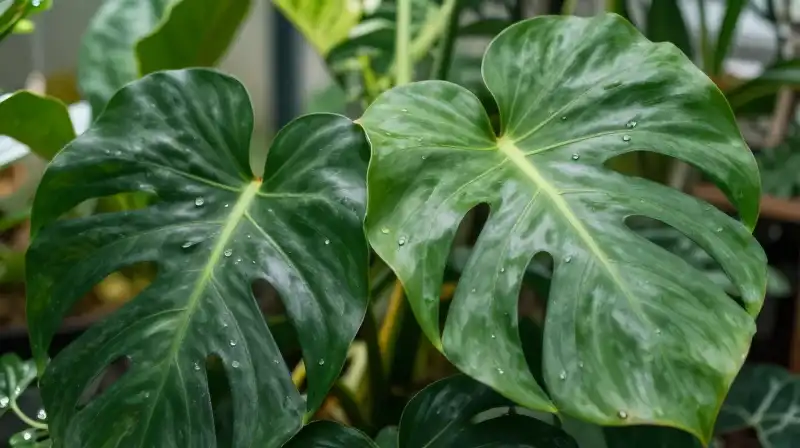 To ensure your Philodendron tortum reaches its mature size and maintains vibrant health, these parameters should serve as your primary decision-making criteria:
| Parameter | Ideal Condition / Recommendation | Reasoning |
|---|---|---|
| Light | Bright indirect light (or white LED: 200–400 FC / 12 hrs) | Maximizes foliage growth and prevents leaf burn. |
| Watering | Full saturation until runoff; wait until top few inches of soil are dry | Prevents root rot, the most common cause of plant failure. |
| Substrate | 3 parts potting mix (coco coir/peat) to 1 part bark chips | Ensures excellent aeration and water retention balance. |
| Nutrients | High-nitrogen fertilizer (3-1-2) during spring/summer | Supports vigorous leaf and vegetative development. |
| Form | Support with a moss pole or wall | Directly encourages structural growth and prevents uncontrolled trailing. |
| The Philodendron tortum is an exceptionally rewarding plant for those who provide the right environment. By prioritizing its moisture needs and structural support over initial aesthetic appeal, and by understanding its specific light demands, you ensure the health and longevity of this magnificent tropical climber. |
Explore more: Triquetra Meaning: Unpacking the Symbol of the Celtic Knot T
How to Grow and Care for a Philodendron Tortum
Prepare the Substrate
Create a custom potting medium by mixing 3 parts standard potting mix (such as coco coir or peat moss) with 1 part bark chips to ensure aeration and drainage.
Establish Proper Lighting
Position the plant near an unobstructed east or west-facing window for bright indirect light. Alternatively, use white LED grow lights at an intensity of 200–400 FC for 12 hours daily if natural light is insufficient.
Provide Structural Support
As a climbing vine, support the plant using a moss pole, a sturdy totemic stake, or placement against a wall to encourage a mature, shrub-like appearance.
Maintain Hydration
Allow the top few inches of the potting medium to dry completely between waterings, then thoroughly saturate the substrate until excess water drains freely to prevent root rot.
Apply Nutrients
Apply a high-nitrogen fertilizer with a 3-1-2 ratio, focusing on feeding during active growth phases in the spring and summer.
Manage Pests and Humidity
Conduct weekly checks for common pests (spider mites, mealybugs, etc.) and treat with insecticidal soap if found, and boost local humidity by misting or grouping plants.
Related Articles