Beefsteak Begonia Growing Guide: Care, Risks, and Optimal Conditions

Introduction
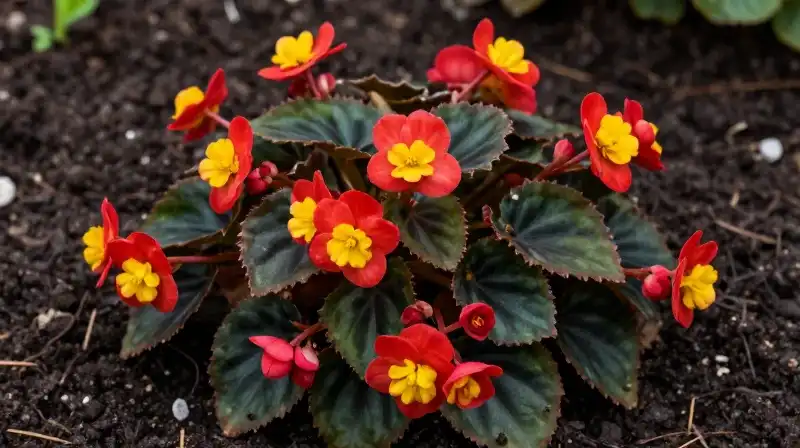
The Beefsteak Begonia (scientific name: Begonia ‘Erythrophylla’ “Beef Steak”) is a treasured heirloom hybrid known for its dramatic foliage. Bred in Germany in 1845, this variety remains a staple of coleopteran gardens for its lush, trailing growth and striking coloration—featuring a deep dark olive green top surface contrasted by a brilliant red underside. While these begonias are celebrated for their aesthetic appeal and robust nature, achieving optimal health requires understanding the specific environmental demands of this unique cultivar.
Success with a Beefsteak Begonia is entirely dependent on moisture management and light exposure. Because it is an amiable, long-cultivated hybrid, it thrives when given a predictable routine, but it reacts quickly to improper care. This guide outlines the specific growing criteria necessary to help you cultivate a healthy, vibrant specimen, detailing the risks and optimal conditions required for ideal growth.
Light and Temperature Requirements
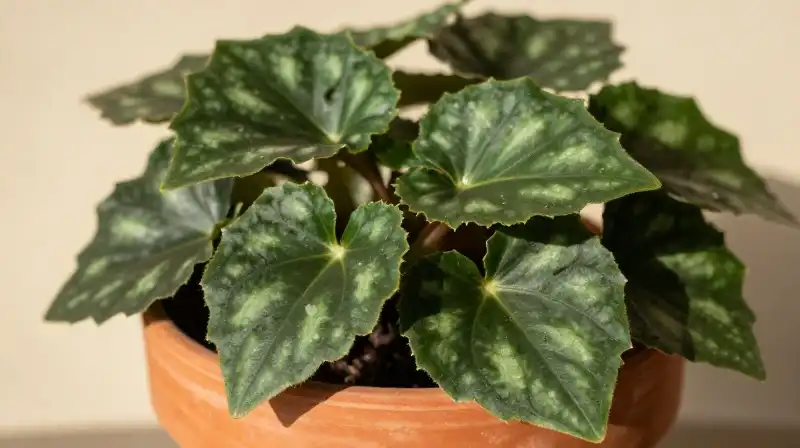
The Beefsteak Begonia requires consistent, moderated light to maintain its glossy appearance and vigorous growth. While it tolerates various conditions, the ideal environment is bright, indirect light. Placing the plant where it receives harsh, direct sunlight will scorch the leaves and stress the plant, while too much deep shade will lead to leggy growth and reduced foliage density.
Temperature stability is equally important. The plant is resilient within a range of 45 to 100 degrees Fahrenheit. However, maintaining a stable temperature within the typical indoor living range is best. Fluctuations or exposure to cold drafts can inhibit growth and weaken the overall plant structure.
Optimal Foliage and Appearance
The visual appeal of the Beefsteak Begonia stems from its unique leaf structure. The foliage is oval-shaped and possesses a high-gloss texture. When healthy, the plant will be characterized by the sharp contrast between the dark olive green leaf tops and the vibrant red coloring visible on the undersides. While they can produce small flowers in shades of green, pink, and blue, the foliage is usually the primary focus of the plant’s cultivated beauty.
Soil Composition and Watering Strategy
The most common reason for a Beefsteak Begonia’s decline is improper substrate management. The plant demands a specific, highly permeable growing medium to prevent moisture stagnation, which leads directly to root issues.
To achieve the best results for this heirloom variety, choose a soil mix that is fluffy, airy, and sandy. Heavy, dense potting mixes are a major risk because they retain excessive moisture, suffocating the roots and creating ideal conditions for fungal and bacterial growth. A blend that promotes excellent drainage is non-negotiable for successful cultivation.
Managing the Watering Cycle
The watering schedule must be consistent but highly attentive. Beefsteak Begonias require steady moisture but cannot tolerate constant saturation. The critical practice is allowing the soil to dry fairly between waterings. Before watering, always insert a finger deep into the soil; if it feels moist, wait. If it is dry to the touch, provide a thorough, deep watering until it drains from the bottom of the container.
Preventing Common Problems and Root Rot
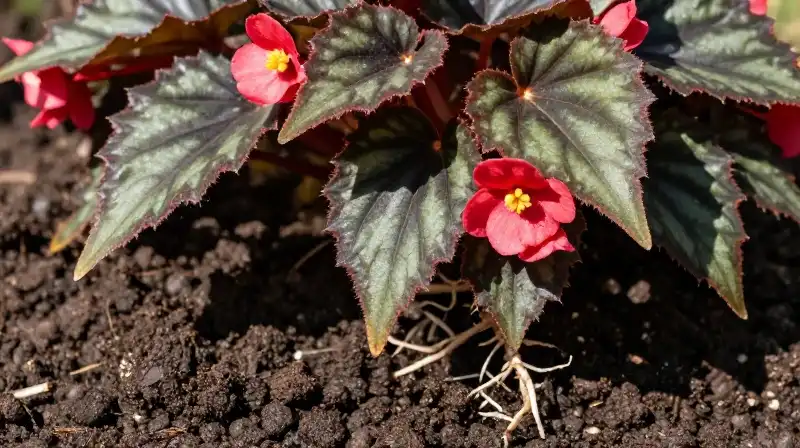
The primary challenge associated with Beefsteak Begonias is preventing root damage, specifically root rot. Because of their susceptibility to moisture buildup, this issue must be managed proactively. Addressing this risk starts with two fundamental steps: the soil choice and the drainage capability of the container.
| Risk/Problem | Underlying Cause | Preventative Action |
|---|---|---|
| Root Rot | Excessive moisture; poor drainage; heavy soil. | Use airy, sandy soil; ensure pots have excellent drainage holes; allow soil to dry between watering. |
| Scorching/Fading | Direct, intense sunlight. | Position the plant under bright, indirect light or partial shade. |
| Stunted Growth | Lack of nutrients; insufficient light. | Periodically feed with a balanced fertilizer containing trace elements; ensure optimal light levels. |
Growth Patterns and Expected Size
Beefsteak Begonias exhibit a rhizome structure that trails along the surface of the soil as they grow. This habit makes them excellent trailing houseplants. In terms of size, while they are generally not massive plants, a well-cared-for specimen can achieve a lush and substantial presence, spreading outward and downward from the central point of growth. There is no strict maximum size, but their robust, leafy growth is maintained through proper maintenance.
Regular maintenance, including occasional repotting, is necessary to support continuous health and growth. It is vital to avoid “over-potting”—using a container that is significantly too large for the root ball—as this guarantees the soil retains too much moisture for too long, raising the risk of the problems described above.
Practical Cultivation Checklist
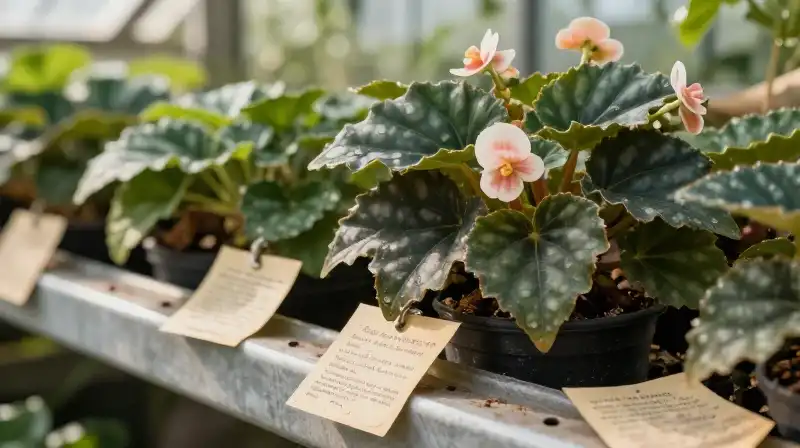
To summarize the best practices for successful cultivation, keep these criteria as your guide. The Beefsteak Begonia is a high-reward plant, but it demands precision in its care.
- Light: Bright, indirect light (avoid intense, direct sun).
- Soil: Fluffy, sandy, and extremely well-draining.
- Water: Water deeply, but only once the top layer of soil has dried out.
- Repotting: Repot only when necessary and ensure the new container is only slightly larger than the current one to preserve drainage efficiency.
- Feeding: Apply a mild, balanced fertilizer periodically to support strong foliage.
When pursuing a Beefsteak Begonia for sale, or deciding to propagate one, remember that the quality of the initial soil and the consistency of your watering routine are the two single most important factors in ensuring the longevity and vigor of this magnificent heirloom hybrid.
Explore more: Triquetra Meaning: Unpacking the Symbol of the Celtic Knot T
Frequently Asked Questions
What are common problems with beefsteak begonias?
Common problems include root rot, caused by excessive moisture, heavy soil, and poor drainage. Other issues can include scorching or fading from direct, intense sunlight, or stunted growth due to insufficient light or nutrients.
How to Cultivate a Healthy Beefsteak Begonia
Arrange for Optimal Light
Place the Beefsteak Begonia in bright, indirect light, making sure to avoid intense, direct sun which can scorch the leaves.
Select Appropriate Soil
Use a soil mix that is fluffy, sandy, and extremely well-draining to prevent moisture stagnation and root issues.
Manage Watering Schedule
Water the plant deeply only after allowing the top layer of the soil to dry out, ensuring thorough drainage until water runs from the bottom.
Execute Repotting Carefully
Repot the plant only when necessary, and ensure the new container is only slightly larger than the current one to maintain drainage efficiency.
Fertilize Periodically
Apply a mild, balanced fertilizer periodically to support and maintain strong, vibrant foliage.
Related Articles