Snow on the Mountain: How to Use This Variegated Shade Groundcover

Introduction
Snow on the Mountain is a dynamic, fast-growing variegated groundcover specifically chosen for its ability to transform dark, flat, or dense shaded garden areas. Native to parts of North America, this perennial provides a striking visual contrast, offering soft green foliage highlighted by clean white margins that catch light and break up the monotony of deep shade. Because of its rapid growth and spreading habit, understanding its needs—both in terms of care and physical control—is essential for successful use.
Why Choose Snow on the Mountain for Shaded Gardens?
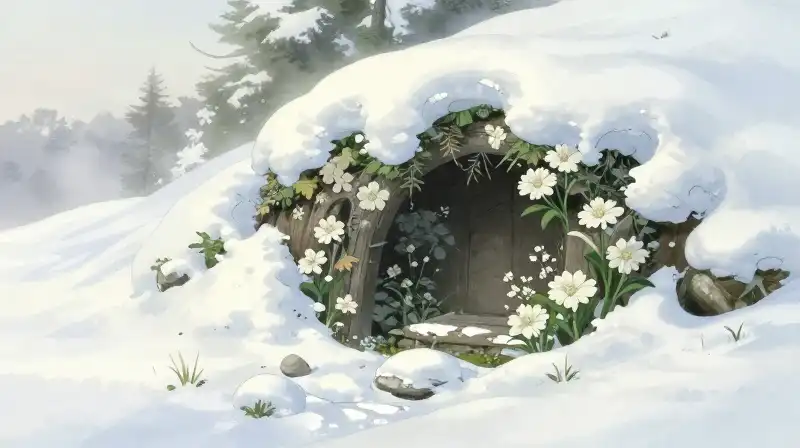 The primary appeal of this groundcover lies in its effective function where other plants struggle. It excels at brightening dark woodland areas, providing “visual lift” through its unique variegation.
Beyond its aesthetic benefits, the plant serves important practical functions in challenging landscapes:
- Soil Stabilization: Its ability to form a dense, spreading mat makes it ideal for stabilizing soil on slopes or at the edges of wooded areas, preventing erosion.
- Fast Coverage: Snow on the Mountain is highly effective for quickly and completely covering bare or sparsely covered ground, making it an efficient choice for groundcover needs.
- Durable Performance: It is categorized as low-maintenance once established, thriving in a range of soil types from average to moist conditions.
Optimal Placement and Growing Requirements
While it is often called a shade plant, “shade” can vary. Optimal health is achieved through a nuanced understanding of light and soil.
Light Exposure: This plant performs best in bright shade. While it can tolerate full shade, exposure to morning sun followed by afternoon shade provides the ideal conditions for vigorous growth and the most vibrant color contrast in its leaves. In areas of very deep, dense shade, regular watering is necessary to maintain its vigor.
Water and Soil: Snow on the Mountain is quite adaptable. It handles varied soil types well. However, it benefits from consistent moisture, particularly when growing under the canopy of large trees where the soil may dry out quickly. Its rapid spreading habit allows it to thrive even in varied substrates.
Plant Care and Maintenance Guidelines
 Because of its fast, aggressive growth, maintenance is focused primarily on containment and shaping rather than intensive pruning.
Ongoing Care: To ensure the plant remains healthy and effective as a groundcover, regular watering is recommended, especially during its establishment period and in highly shaded areas. While it is naturally resistant to deer, it requires monitoring for pests or excessive competition from other plants due to its competitive nature.
Post-Flowering Management: This perennial produces small white flowers organized in flat umbels. Once this blooming cycle is complete, the foliage can be sheared or mowed. This practice helps maintain a uniform canopy height and keeps the appearance manicured, despite its wild growth patterns.
Managing Aggressive Growth and Containment
 The most crucial consideration when planting Snow on the Mountain is its aggressive nature. Its tendency to spread rapidly and potentially overtake other plantings means careful planning is vital.
If you are utilizing Snow on the Mountain in a smaller garden space or near desirable flowers, physical barriers are necessary. Do not overlook the need for containment:
- Root Barriers: Installing physical barriers before planting is the most effective way to limit outward expansion into neighboring beds.
- Hardscaping/Edging: Using defined stone borders or rigid garden edging allows the plant to thrive within a designated zone while preventing uncontrolled migration.
- Acceptance of Spread: Planting should only be recommended in areas where a dense, “take over” quality is desired and where physical limits are accepted.
Addressing Common Planting Concerns
 Gardeners often have specific questions regarding the safety and limits of this plant.
Is Snow on the Mountain poisonous? While the plant is a perennial and has a certain vigor, general information suggests that it is not highly toxic, though consuming any unknown plant species should always be done with caution. It is important to note that while some related species are poisonous, the standard garden variety used for groundcover is generally considered non-toxic, but not entirely harmless if ingested.
Is Snow on the Mountain invasive? Due to its rapid spreading habit, it can be categorized as aggressive and can outcompete slower-growing flowers and groundcovers. While it is often used in landscaping, its growth pattern requires specific containment methods to prevent it from becoming invasively dominant in a larger ecosystem.
How tall does it grow? As a groundcover, Snow on the Mountain is not known for reaching significant heights. Its primary function is to stay low, forming a dense, spreading mat across the surface of the soil, which keeps it useful for areas needing low-profile coverage.
Choosing the Right Spot for Snow on the Mountain
 Success with this groundcover hinges on matching its demanding characteristics to the right location. Consider these criteria when making your final planting decision:
| Garden Goal | Ideal Application of Snow on the Mountain | Warning/Condition |
|---|---|---|
| Covering Large, Dark Areas | Excellent; provides bright, reliable contrast and fast coverage. | Requires long-term physical containment (barriers or edgings). |
| Stabilizing Slopes | Very effective; dense mat prevents soil movement. | Water needs may be higher on well-draining slopes. |
| Filling Beds with Delicate Plants | Poor choice; it will quickly outcompete smaller, delicate specimens. | Avoid placing it near plants sensitive to being overshadowed. |
Ultimately, Snow on the Mountain is a powerful tool for covering challenging, shaded landscapes quickly and vibrantly. Its beauty lies in its white margins and green centers, but its value is amplified when its aggressive, sprawling nature is understood and strategically managed through careful site selection and containment.
How to Care for and Contain Snow on the Mountain
Determine Placement
Carefully plan the planting location, considering its growth pattern and whether it is needed for soil stabilization or just aesthetic coverage. Ensure you accept a dense, spreading quality if growing it in a small area.
Install Physical Barriers
For small garden spaces or areas near desirable flowers, install root barriers or defined stone borders/rigid garden edging to limit outward expansion.
Maintain Appropriate Moisture
Regular watering is recommended, especially during the establishment period and in highly shaded areas, although the plant is generally quite adaptable to varied soil types.
Monitor and Manage Growth
Monitor the plant for pests or excessive competition from other plantings, as its aggressive nature can lead to rapid takeover.
Post-Flowering Management
Once the blooming cycle is complete, shear or mow the foliage to maintain a uniform canopy height and keep the appearance manicured.
Related Articles