Paeonia lactiflora Care Guide: Growing the Common Chinese Peony

Introduction
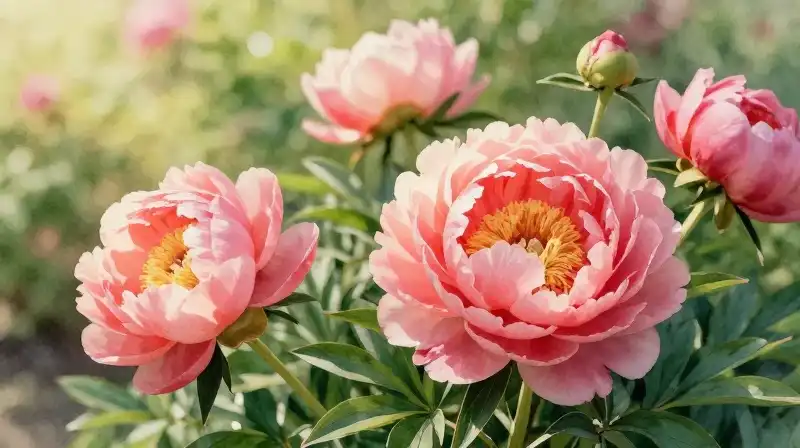
Cultivating Paeonia lactiflora, commonly known as the Chinese peony or garden peony, means nurturing a prolific bloomer renowned for its lush foliage and striking cup-to-bowl shaped flowers. This hardy herbaceous perennial, native to central and eastern Asia, provides a significant source of fragrance and vibrant color for the landscape and the cut flower market. If you are looking to establish a thriving collection of these peonies, the success of your garden hinges on providing the right combination of structure, soil, and timing.
As a long-lived plant that develops robust, thickened tuberous roots, Paeonia lactiflora requires specific care to ensure it transitions successfully from dormant roots to spectacular late-spring blooms. This guide focuses on the practical requirements—from optimal planting depth to managing common pests—necessary to maximize the visual impact and longevity of your peony.
Ideal Conditions for Thriving Growth
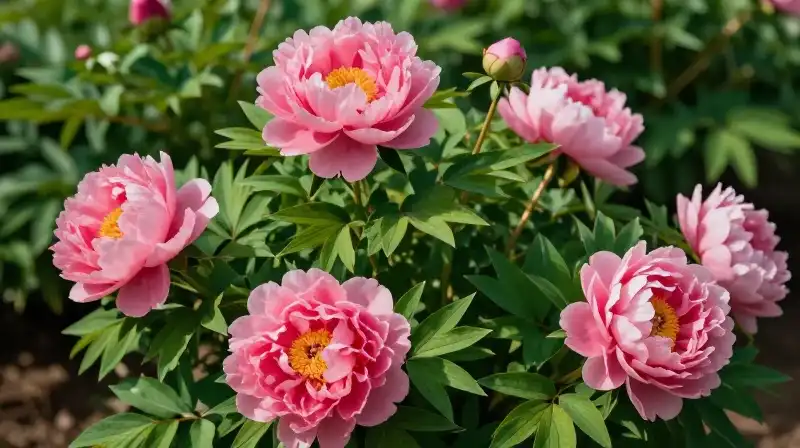
For the Chinese peony to achieve its full potential, its environmental requirements are precise. It thrives in well-drained conditions and prefers a period of cold dormancy to ensure robust flowering. Understanding its preferred habitat allows you to prepare the perfect spot in your yard.
Sunlight and Shade
- Optimal Placement: The peony prefers full sun, though it generally appreciates some protection. Providing afternoon shade in hot climates is a highly recommended practice, as intense midday sun can stress the foliage and flowers.
- Light Requirement: Ensure the location receives at least six hours of direct sunlight daily.
Soil Composition and Drainage
The plant thrives in rich, fertile soil that is consistently well-drained. Waterlogged or compacted soil is the fastest way to induce root rot. Ideally, incorporate high-quality organic matter (such as aged compost) into the native soil before planting to enhance fertility and moisture retention, particularly during the early growing season.
Climate and Hardiness
Paeonia lactiflora is typically hardy in USDA Zones 3 through 8. It is essential that the plant experiences a distinct, cold winter dormant period; this cold cycle is crucial for initiating the complex process of flower bud development in the following spring.
The Art of Planting: Setting Tuber Roots Correctly
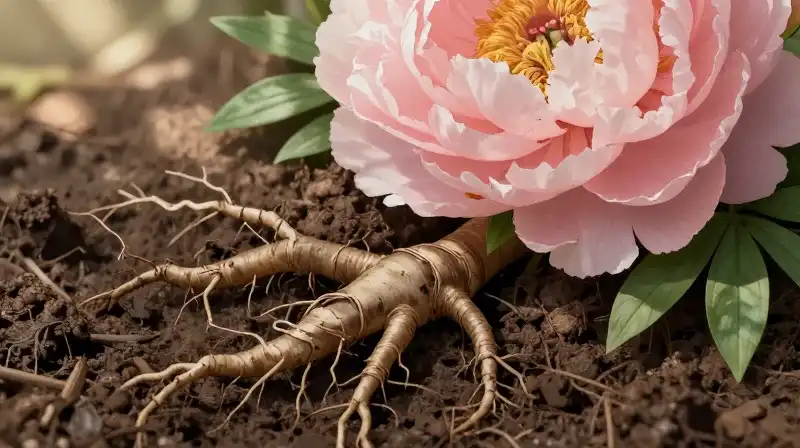
The way you establish the peony dictates its initial success and future flowering vigor. Because the plant grows from a thickened, subterranean rootstock, placement depth is non-negotiable.
Planting Procedure
Most plants are sold as young rootstock or divided plants. When planting:
- Ensure the location has a clear path to allow for the plant’s natural spread.
- Place the rootstock or bud approximately 2 inches below the soil surface. Placing it too deep can inhibit blooming, while placing it too shallow can lead to desiccation and vulnerability to frost.
It is useful to note that while many species are categorized as herbaceous, the mature cultivated forms can develop a significant spread, reaching 1.5 to 2.5 feet. Plan your garden spacing accordingly to prevent competition for nutrients.
Watering and Seasonal Nutrition
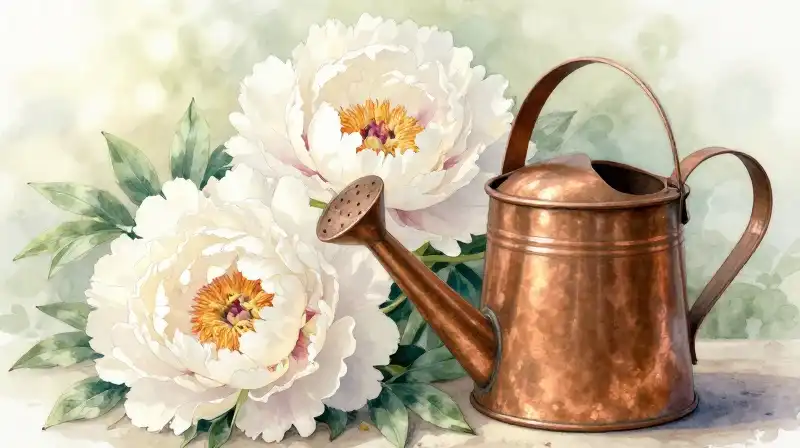
While Paeonia lactiflora is quite resilient once established, specific watering strategies are needed during its active growth phases. The plant is a heavy water user during its initial emergence in late spring.
Early Season Hydration
The early growing season—when the leaves are unfurling and buds are forming—requires consistent and abundant moisture. Deep watering is preferred over frequent, shallow sprinkling. This ensures the roots are fully saturated and encourages strong top growth.
Water Management in Summer
In peak summer heat, maintain consistent moisture, but be mindful of the heat-stress potential. If afternoon shade is available, utilizing it will significantly reduce water stress. Once the leaves begin to mature and flower production stabilizes, adjust watering to maintain soil moisture without causing saturation.
Feeding Requirements
As a heavy feeder, annual feeding is beneficial, although the plant’s robust root system often allows it to sustain itself well in rich, organic soil. Apply a balanced, slow-release granular fertilizer in the early spring, prior to major growth. Avoid heavy nitrogen applications later in the season, as this encourages excessive foliage growth at the expense of bloom production.
Maintenance and Troubleshooting Common Issues

Proper maintenance ensures a strong perennial future. While these plants are generally regarded as low maintenance, vigilance is needed to address specific horticultural challenges.
Foliage and Bloom Care
- Spent Blooms: Remove spent flowers (deadheading). While some peonies benefit from natural seeding, removing fading blossoms allows the plant to direct its energy toward producing future flower buds.
- Winter Care: Since Paeonia lactiflora has perennial, thickened roots, it does not require regular division. The plant is self-sustaining and long-lived.
Pest and Disease Control
The most frequent challenges involve specific pests and fungal pathogens:
- Pests: Keep an eye out for thrips, scale, and mealybugs, especially on new emerging leaves and flower buds. Regular inspection and targeted treatments with horticultural oils or neem oil can mitigate these outbreaks.
- Fungal Issues: Blight and powdery mildew can occasionally appear, particularly in humid conditions. Ensure there is adequate air circulation around the plant and avoid overhead watering during rain-prone periods.
Selecting the Right Variety for Your Landscape
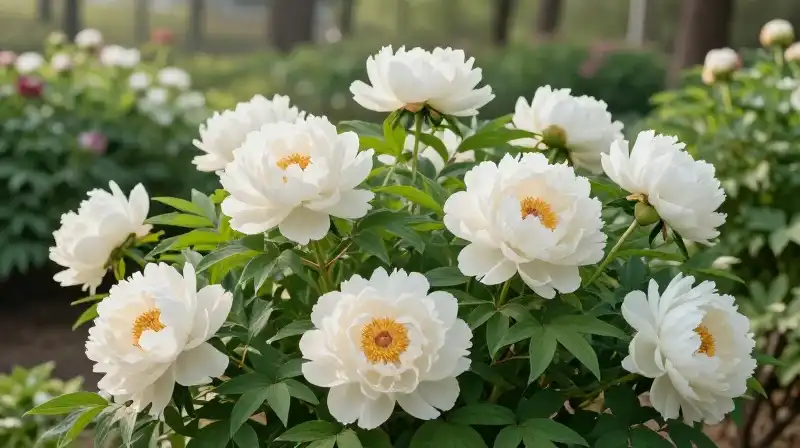
Though Paeonia lactiflora refers to the species, over several hundred cultivars and hybrids have been developed, leading to an extraordinary diversity of form and color. Whether you seek pristine white, vibrant pink, or deep crimson, the specific cultivar chosen dictates the overall aesthetic of your garden.
Key Distinctions in Peony Types
While the care guide applies generally, understanding the variety can help you select the best fit for your situation. Many cultivars are fully double, meaning they possess numerous petals and a dense, lush appearance, making them ideal for cut flower arrangements. Conversely, single varieties often retain the dramatic, cupped shape that is characteristic of the species. The selection depends entirely on whether your primary goal is structural volume or distinct floral form.
Managing Expectations for Peony Bloom
Unlike plants with predictable, extended blooming periods, Paeonia lactiflora is classified as a late blooming species. Its primary display typically occurs in late spring, usually around May, with some cultivars extending this period. Timing and seasonal shifts can influence these dates.
Plant Health Indicators
A successful, vigorous peony should exhibit the following signs:
- Thick, dark green, compound leaves (which may turn rusty orange in autumn).
- Strong, upright, shrub-like habit and good spread.
- The successful formation of buds over the winter, indicating a healthy cold dormancy.
Strategic Cultivation Summary
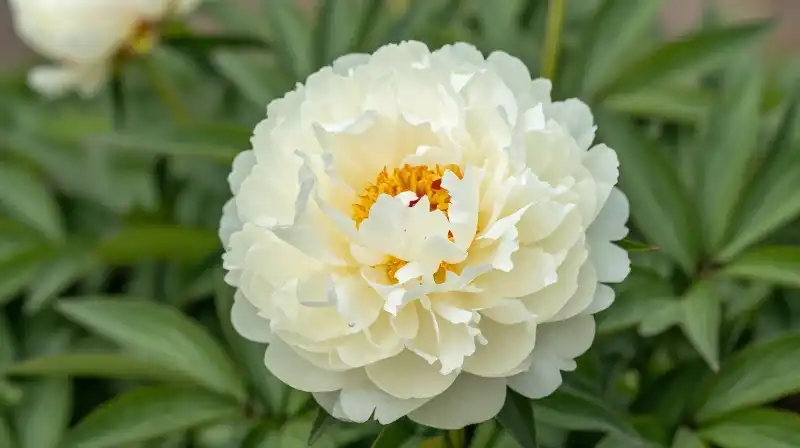
To successfully grow the Chinese peony, the focus must remain on establishing deep, robust roots and maintaining optimal moisture during the active growing season. Success is achieved by placing the rootstock precisely two inches below the soil, providing full sun with afternoon respite, and ensuring the soil remains fertile and excellently drained. Consistent early season hydration combined with careful monitoring for pests like scale and thrips will provide the ideal framework for a long-lived and spectacular display.
Explore more: Dia de los Muertos Skull Designs: Symbols and Artistic Inspi
How to Cultivate Paeonia lactiflora (Chinese Peony)
Prepare Location and Soil
Ensure the chosen area receives at least six hours of direct sunlight. Incorporate high-quality organic matter, such as aged compost, into well-drained soil to enhance fertility.
Plant the Rootstock
Place the young rootstock or divided plant approximately 2 inches below the soil surface, ensuring enough space is left for the plant's natural spread.
Apply Early Season Fertilizer
Apply a balanced, slow-release granular fertilizer in early spring prior to major growth, while avoiding heavy nitrogen applications later in the season.
Maintain Proper Watering
During the early spring growing season, provide consistent and abundant deep watering, adjusting in peak summer heat while being mindful of heat-stress.
Conduct Maintenance and Deadheading
Regularly remove spent flowers (deadheading) to allow the plant to redirect its energy toward producing future flower buds.
Monitor for Pests and Diseases
Regular inspection is required for thrips, scale, and mealybugs. Use targeted treatments such as horticultural oils or neem oil if outbreaks occur, and ensure good air circulation to prevent fungal issues.
Related Articles