Tuscan Blue Rosemary: Growing and Using This Blue Aromatic Shrub


Introduction
Tuscan Blue Rosemary, scientifically known as *Rosmarinus officinalis* ‘Tuscan Blue’, is a striking cultivar of the ubiquitous rosemary shrub that offers a distinct aesthetic and utility beyond its traditional green kin. Unlike the standard varieties, this version boasts vivid, light blue flowers and olive-green foliage that provides a unique textural contrast. Developed for its rugged beauty and adaptability, it is a high-impact choice for Mediterranean-style landscapes, xeriscapes, and fragrant kitchen features. It successfully bridges the gap between a highly ornamental shrub and a practical, durable plant.
Botanical Profile and Aesthetic Appeal
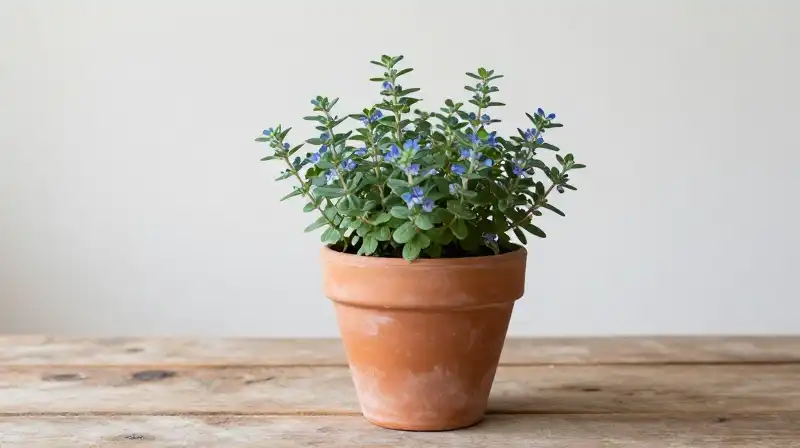 The defining characteristic of ‘Tuscan Blue’ is its appearance and resilience. It grows as an upright evergreen shrub, reaching heights typically between 4 and 6 feet and spreading up to 5 feet. Its foliage consists of finely textured, olive-green leaves that are highly aromatic, even when not flowering. Unlike many cultivars, the “Tuscan Blue” offers two visual experiences. While it has an intense, fragrant foliage suitable for culinary use, it is primarily cultivated for its show-stopping blooms. These large, bright lavender-blue flowers generally emerge during the cooler months, spanning from winter through spring, providing consistent color that complements sun-drenched landscapes. It represents a refined evolution of the traditional Old World rosemary.
Growing Conditions and Optimal Placement
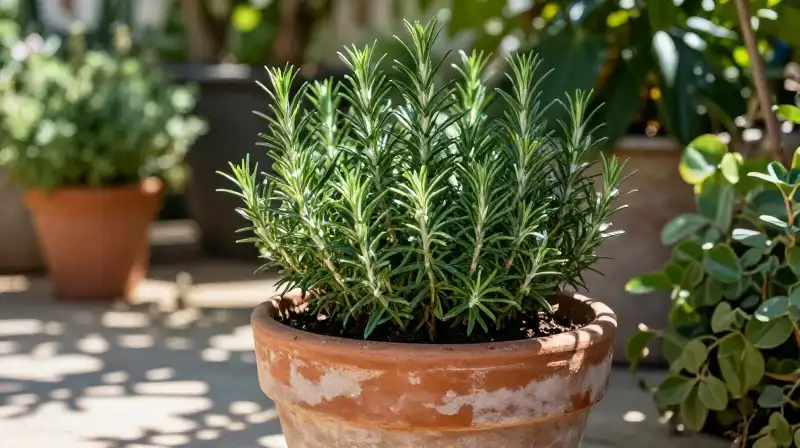 To ensure robust growth and the display of its characteristic blue blooms, understanding its specific environmental needs is crucial. While rosemary is generally tough, this specific cultivar thrives under optimal conditions tailored to its dry, rocky origins. * **Sunlight:** It requires full sun exposure to reach its optimal height and vigor. In insufficient light, the plant may become leggy and fail to develop deep coloration or strong fragrance. * **Soil:** The plant demands loose, well-drained soil. Neutral to slightly acidic soil is ideal. Poor drainage is the fastest way to damage rosemary, as it is highly susceptible to root rot. * **Water Needs:** While requiring deep, consistent watering during the establishment phase to develop a strong root system, ‘Tuscan Blue’ is classified as highly drought-tolerant once mature. In established landscapes, it thrives with minimal supplemental irrigation, making it a prime candidate for waterwise gardening.
Hardiness and Environmental Resilience
 One of the key reasons *Rosmarinus officinalis* ‘Tuscan Blue’ is so popular in challenging climates—such as coastal regions or arid areas—is its remarkable hardiness. The plant is exceptionally resilient, capable of surviving extreme temperatures down to 15°F. Its Mediterranean origins have equipped it with excellent adaptations for environmental stress. It shows notable tolerance for: * Coastal exposure and salt spray. * Alkaline soil conditions, provided it is well-drained. * Resistance to common garden pests like deer and rabbits.
Practical Uses: From Garden to Table
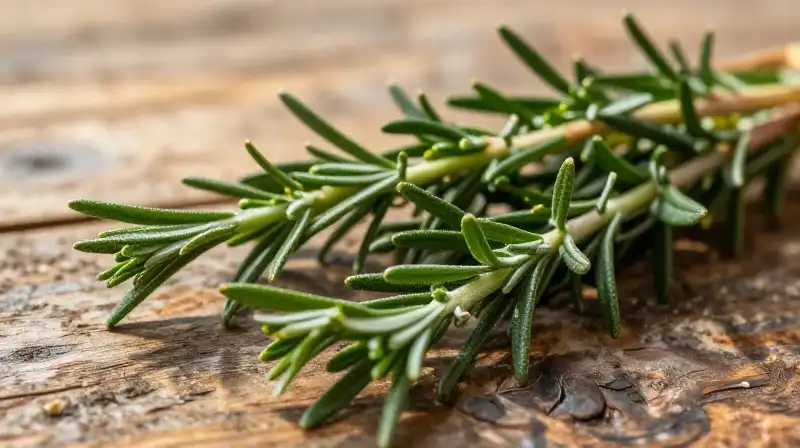 The versatility of Tuscan Blue Rosemary extends far beyond simple ornament. Its unique properties allow it to be utilized in three distinct ways.
Landscape Design and Xeriscapes
In gardening, it functions as a versatile, robust anchor. Its upright structure makes it ideal for:
- Creating fragrant, low-maintenance hedging.
- Serving as a strong screening plant in borders.
- Providing dramatic color contrast in Mediterranean or drought-tolerant garden styles.
Culinary Application
The foliage of the shrub is highly aromatic and edible, making it an excellent candidate for culinary exploration. Though its primary growth is ornamental, its traditional use as an aromatic herb is a natural feature of the plant.
Addressing Usage (People Also Ask)
Tuscan Blue Rosemary is used both as a beautiful, permanent landscape feature and as a culinary herb. It is chosen by gardeners who want a shrub that is both visually striking and low-maintenance, effectively serving multiple functions within a single planting.
Maintenance and Pruning Practices
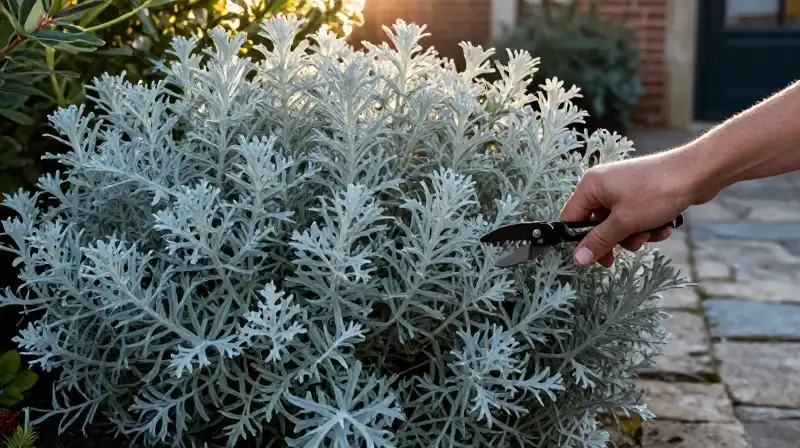 While ‘Tuscan Blue’ is categorized as an easy-care shrub, occasional maintenance ensures its health and desired form.
Pruning Strategy
To maintain its upright habit and prevent it from becoming overgrown, routine pruning is recommended, particularly in the spring before the new growth begins. Pruning also helps encourage denser branching and more prolific blooming. However, it is worth noting that the plant remains aesthetically pleasing even if allowed to grow in its more natural, wild form.
Seasonal Observations
While its primary function is visual, keeping the plant well-watered during its first two seasons is the most critical step in its “care” journey. After this establishment period, the high drought tolerance takes effect, and minimal intervention is typically required.
Choosing Tuscan Blue Rosemary vs. Traditional Rosemary
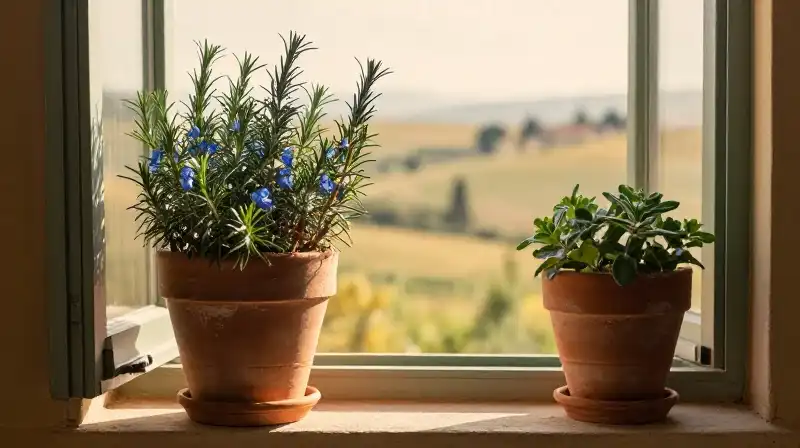 For gardeners already familiar with *Rosmarinus officinalis*, choosing ‘Tuscan Blue’ is a decision based on aesthetic and specific environmental needs. | Feature | Traditional Rosemary | Rosmarinus ‘Tuscan Blue’ | Decision Factor | | :--- | :--- | :--- | :--- | | **Flowering** | Generally green/minimal flowers | Showy lavender-blue blooms | Requires vibrant color | | **Aesthetic** | Standard needle-like green | Fine, olive-green foliage | Desires unique texture | | **Tolerance** | Hardy, but less salt-resistant | High salt spray and alkaline resistance | Located near coastal/harsh environments | | **Fragrance** | Strong and potent | Very fragrant foliage | Needs strong aroma | If your goal is maximizing landscape interest through seasonal color and you operate in a demanding climate, the specialized resilience of ‘Tuscan Blue’ gives it a distinct advantage over standard types.
Summary of Growing Success
Tuscan Blue Rosemary is a low-maintenance shrub defined by its striking beauty and profound hardiness. To successfully incorporate this cultivar into your garden, prioritize full sun, ensure impeccable drainage in loose soil, and provide deep watering during the initial growth phase. Its robust nature makes it a reliable choice for xeriscape designers and Mediterranean garden enthusiasts looking for a fragrant, drought-tolerant plant that thrives in challenging conditions.
Frequently Asked Questions
What is Tuscan blue rosemary used for?
Tuscan Blue Rosemary is used as a versatile, low-maintenance plant in landscape design for xeriscapes and Mediterranean gardens, while its highly aromatic foliage also serves as a culinary herb.
How to Grow and Maintain Tuscan Blue Rosemary
Choose Optimal Placement
Ensure the plant is located in an area with full sun exposure, as insufficient light may hinder its vigor and color.
Prepare Soil
Plant the rosemary in loose, well-drained soil, ideally with a neutral to slightly acidic pH to prevent root damage.
Establish Initial Growth
During the first two seasons, provide deep and consistent watering to help the shrub develop a strong root system.
Prune for Maintenance
Routinely prune the shrub in the spring before new growth begins to maintain its upright habit and encourage dense branching.
Manage Mature Water Needs
Once the shrub is established and mature, reduce watering to minimal supplemental irrigation, as it is highly drought-tolerant.
Related Articles