Oakland Holly: Guide to Growing Variegated Privacy Screens

Introduction
If you are seeking an evergreen plant that delivers dense, low-maintenance privacy without sacrificing visual appeal, the variegated cultivar of Oakland Holly is a highly effective solution. Unlike standard, uniformly dark evergreens, this particular cultivar integrates a striking golden-yellow variegation into its dense, upright foliage, allowing it to function as both a robust privacy screen and a vibrant landscape accent. It is designed specifically for those who desire a naturally compact, structurally sound plant that requires minimal intervention to maintain its impact.
Understanding the Variegated Oakland Holly
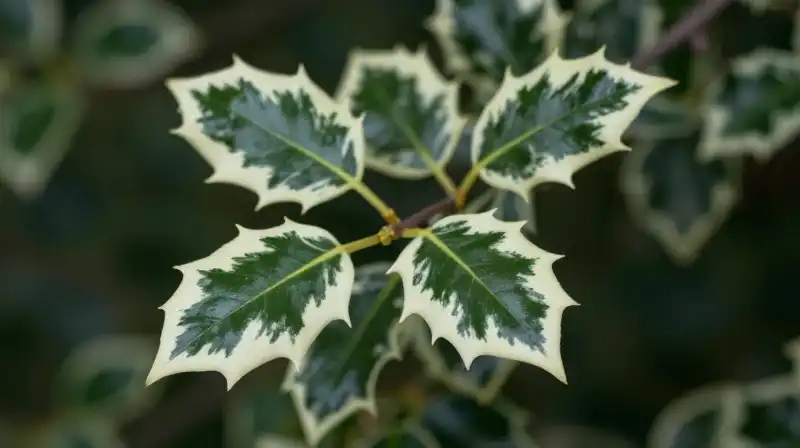
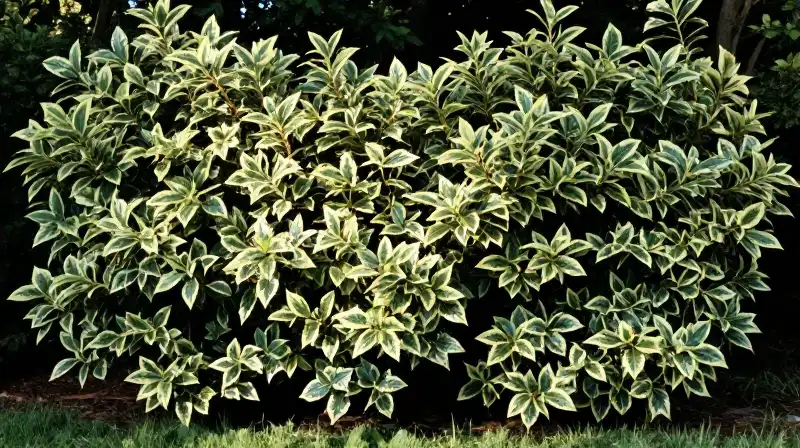
This holly is a specialized cultivar related to the traditional Oakland Holly, known for its distinct upright and naturally compact growth habit. What sets this variety apart is its foliage, which features a beautiful blend of deep green and bright golden-yellow coloration. This variegation doesn’t appear patchy but is integrated into the leaf structure, giving the entire plant a cohesive, luminous quality.
Structurally, it maintains a clear pyramidal habit. This shape is crucial for landscape design, as it lends itself exceptionally well to tight rows when planted for screening, or as a singular, commanding presence in a garden setting. Its inherent density means that when mature, it naturally forms a solid visual barrier, a key characteristic for effective privacy screens.
Optimal Use for Privacy Screens and Containers
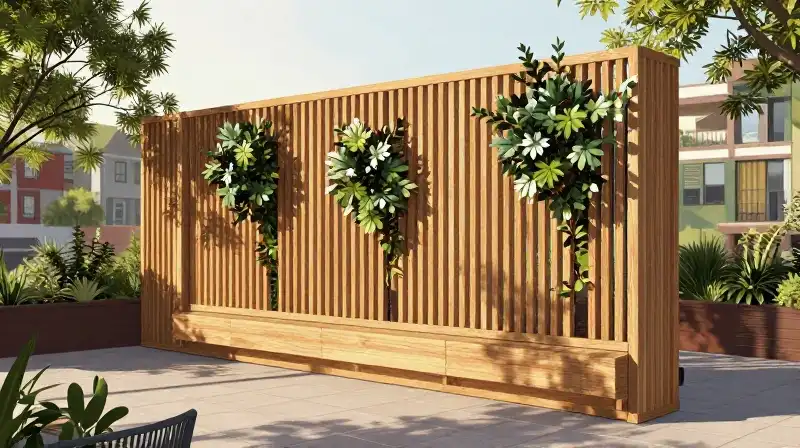
The primary utility of the variegated Oakland Holly lies in its ability to establish immediate and dense screening. When planted in staggered rows, its tight growth and compact nature ensure that the barrier remains thick and effective. This characteristic makes it an excellent choice for defining property lines, screening unsightly views, or creating a strong, cohesive backdrop in large gardens.
Beyond linear screening, its controlled growth makes it ideal for specialized uses:
- Container Accent: While maturing, the plant is highly suitable for containers. Its ability to maintain a prominent, evergreen form allows it to serve as a striking centerpiece in isolated planters.
- Mixed Plantings: In mixed container arrangements, the golden hues of the variegated oakland holly provide a necessary contrast and visual interest against darker foliage, elevating the entire planting scheme.
Growing and Maintaining the Cultivar
The beauty of this cultivar is its low-maintenance nature, a trait driven by its natural density. Because it grows tightly and maintains a strong form, aggressive, high-frequency pruning is generally unnecessary to keep it robust.
To maximize its health and structure, focus on the following practical aspects of care:
- Planting and Soil: Select a spot that receives sufficient sunlight to maintain the vibrancy of the variegation. It prefers well-drained soil, which is essential to prevent root issues.
- Pruning: Minimal structural pruning is needed to maintain its compact, pyramidal shape, especially when used as a dense screen.
- Container Management: If used in containers, ensure the pot is large enough to support its mature size and that frequent watering is maintained, as containers dry out faster than in-ground plants.
Addressing Common Holly Confusion and Comparisons
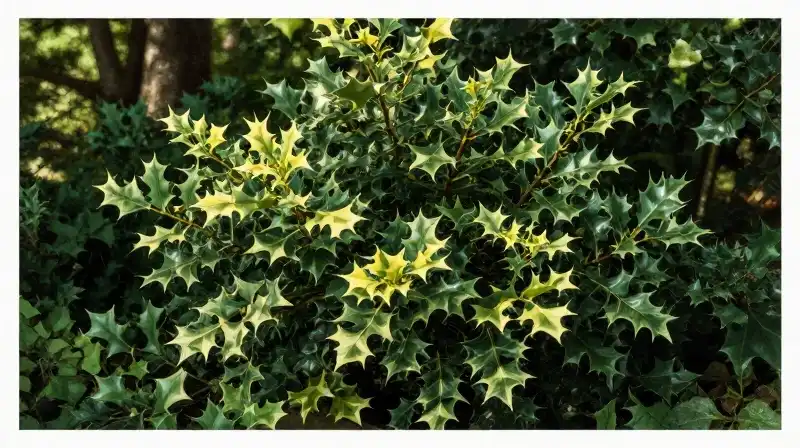
The variety of holly cultivars often leads to confusion regarding appearance and function. Here we clarify some common points of comparison:
Oakleaf Holly vs. Variegated Oakland Holly
While both fall under the broad category of Oakland holly, there are key differences. Traditional Oakleaf holly is defined by its strong, distinct oak-shaped leaves and bright, dense green foliage. The variegated cultivar, in contrast, is defined by its specific green and golden-yellow color pattern. The variegation provides a much higher visual contrast, whereas the standard Oakleaf provides a more traditional, solid green backdrop.
Is Oakland Holly Expensive?
The cost of the variegated cultivar varies significantly based on the size and local nursery pricing. While standard, non-variegated varieties might be more widely available at basic retailers, the specialized nature and unique aesthetic of the variegated form often position it as a premium ornamental choice, offering high visual impact for the investment.
Practical Growing Considerations and Limits
Understanding the limitations of the plant helps ensure successful landscaping. Although robust, there are factors to consider:
| Attribute | Characteristic | Practical Implication |
|---|---|---|
| Growth Rate Moderate and consistent | It achieves size gradually, meaning it requires planning for long-term screening goals. | |
| Size Compact/Pyramidal | The natural density helps keep it contained, making it excellent for smaller to medium landscape spaces. | |
| Maintenance Minimal | Its inherent density reduces the need for frequent shaping or intensive deadheading. |
Final Synthesis: Selecting the Right Application
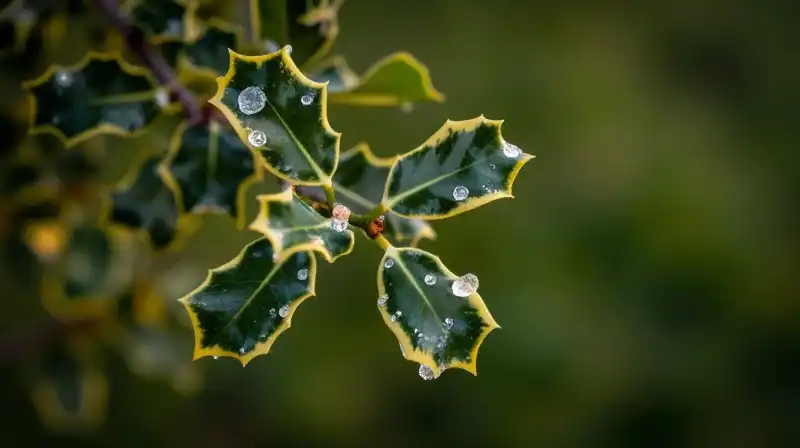
The variegated Oakland Holly is a reliable choice when the aesthetic demands a splash of golden-yellow color combined with the practical need for dense, low-effort screening. If your priority is a monochromatic, solid green barrier, the traditional varieties may suffice. However, if you want an ever-changing visual focal point—one that still maintains the robust, compact habit necessary for privacy—this variegated cultivar offers a superior, highly attractive alternative. Focus on ensuring proper drainage and adequate light to allow the golden coloration to thrive, securing its best visual performance year-round.
Frequently Asked Questions
Is Oakland Holly expensive?
The cost of the variegated cultivar varies significantly based on size and local nursery pricing. Due to its specialized nature and unique aesthetic, it is often positioned as a premium ornamental choice.
What is the difference between oak leaf holly and Oakland Holly?
Traditional Oakleaf holly is defined by its distinct oak-shaped leaves and bright, dense green foliage. The Variegated Oakland Holly, in contrast, is defined by its green and golden-yellow coloration, which creates a much higher visual contrast than the standard solid green variety.
Growing and Maintaining the Variegated Oakland Holly
Establish Planting Conditions
Select a spot that receives sufficient sunlight to maintain the vibrancy of the variegation and ensure the plant is placed in well-drained soil to prevent root issues.
Manage Pruning
Apply minimal structural pruning to maintain its compact, pyramidal shape, particularly when utilizing the holly as a dense screen.
Maintain Containers
If the plant is in containers, ensure the pot is large enough to support its mature size and maintain frequent watering, as containers dry out faster than in-ground plants.
Related Articles