Growing Rhubarb from Seed: From Germination to Harvest

Introduction
Rhubarb is a beloved perennial vegetable, known for its distinct tart flavor and impressive harvest. While many home gardeners find that planting established crowns is the fastest route to harvest, cultivating rhubarb from seed offers a rewarding pathway to genetic diversity and unique varieties. Growing rhubarb from seed, however, requires a significant commitment, as the journey from small seed to productive plant takes multiple seasons. This guide details the precise steps for successful germination, proper planting techniques, and the timeline needed to reach a meaningful harvest.
Understanding the Seed-to-Harvest Commitment
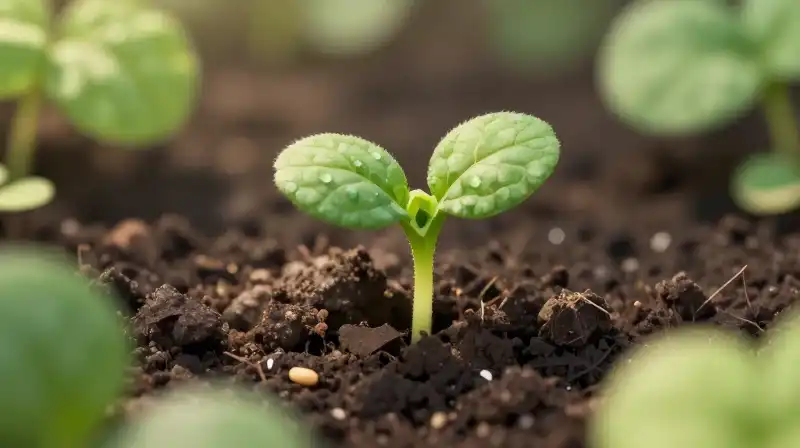
Before beginning the process, it is crucial to set realistic expectations. Unlike annual crops, rhubarb is a long-term perennial. When starting from seed, the plant typically requires approximately three years before it is ready for its first substantive harvest. This long waiting period means that the early years are focused entirely on establishing a strong, resilient root system.
Seed Selection and Preparation
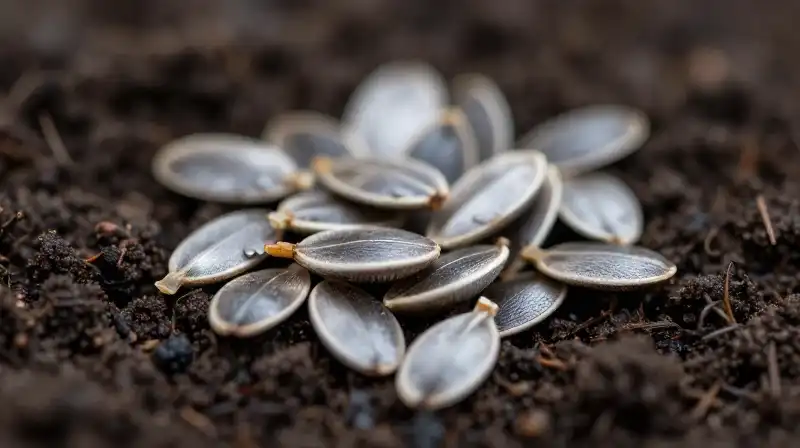
Rhubarb seeds come in a variety of colors and forms, ranging from deep red to green. Because growing from seed allows gardeners to explore genetic diversity—unlike clones propagated via crowns—it encourages experimentation with traits and forms. When purchasing rhubarb seeds, consider regional varieties that perform well in your climate (e.g., Victoria or Canada Red varieties).
Prior to sowing, begin the seed preparation by soaking the seeds for one to two hours. This initial soak helps soften the seed coat, which can improve the chances of germination and speed up the overall process.
Timing and Initial Germination
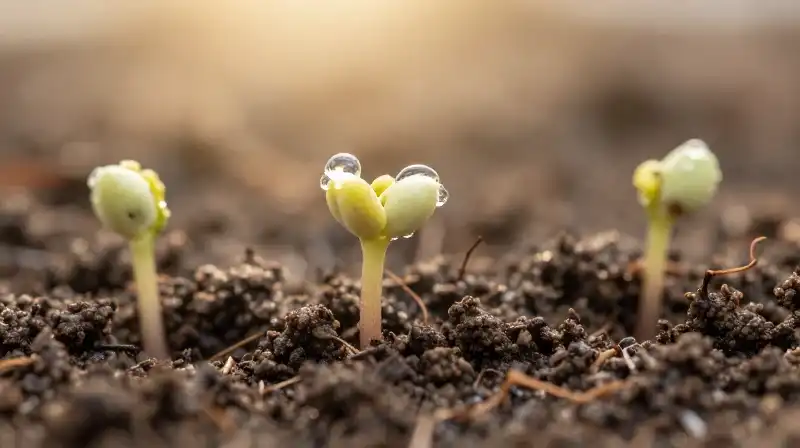
The timing of your planting is dictated by regional frost dates. Utilizing local last and first frost dates is essential for establishing an accurate calendar.
For indoor starters, begin planting seeds in trays roughly four to eight weeks before the anticipated final frost date. This allows the seedlings to develop a head start before they must face the harsher outdoor conditions.
If choosing to direct sow into the garden, the ideal time is approximately two to three weeks before the last frost. During this stage, the germination process is usually quick, typically occurring within seven to twenty-one days under suitable conditions.
The Mechanics of Sowing
Whether indoors or in the ground, the depth of planting is critical. Place seeds in a depth ranging from half to one inch below the soil surface. When direct sowing in the garden, maintain adequate space to ensure future health and robust growth. Spacing should be roughly four feet between individual seeds when they are young.
Nursery Care and Transplanting
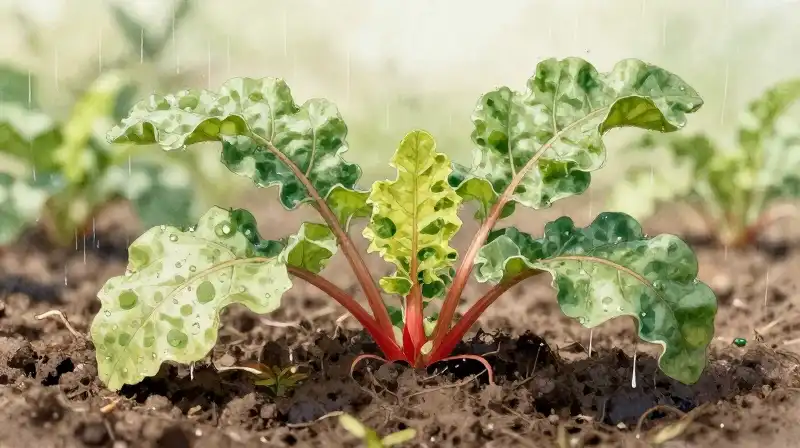
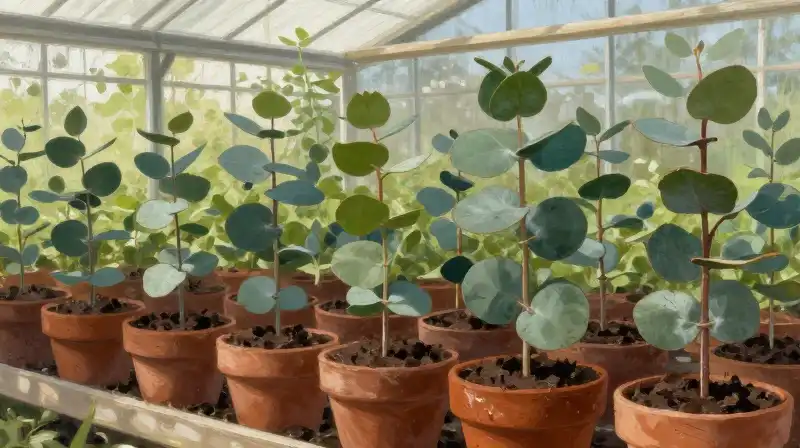
Initial development requires careful management, especially in the first year. Seedlings placed in trays initially benefit from potting mix, which usually yields high germination rates. During this early stage, they require protection from weed competition to ensure all energy is directed toward growth.
Once seedlings are sturdy and the threat of frost has fully passed, they can be transplanted outside. This is where the initial spacing needs adjustment; when placing them in the garden, allow for approximately one foot between each plant. This initial close spacing helps them establish roots before they spread into mature ground coverage.
Ideal Site Selection and Soil Requirements
The success of your rhubarb is dependent on your garden environment. Select a site that features rich, well-draining soil and possesses ample organic matter. Rhubarb is a robust, perennial plant, but it demands specific conditions to thrive.
Sun exposure is vital. Rhubarb requires all-day sunlight, especially in temperate regions with mild summers. In climates where summer heat is intense, providing some afternoon shade can prevent scorching and help the plant manage excessive heat.
The Growing Cycle and Mature Spacing
Once the rhubarb seedlings are well-established in the garden, their needs shift from close nursery planting to robust, mature spacing. As the plants develop into mature rhubarb, the required spacing increases to approximately four feet between each plant, allowing for unimpeded canopy spread and airflow.
Consistent watering is necessary throughout the growing season, particularly if natural rainfall is scarce. Because rhubarb is a perennial, it is built to endure and establish itself in the ground, often lasting several decades.
Harvesting and Culinary Use
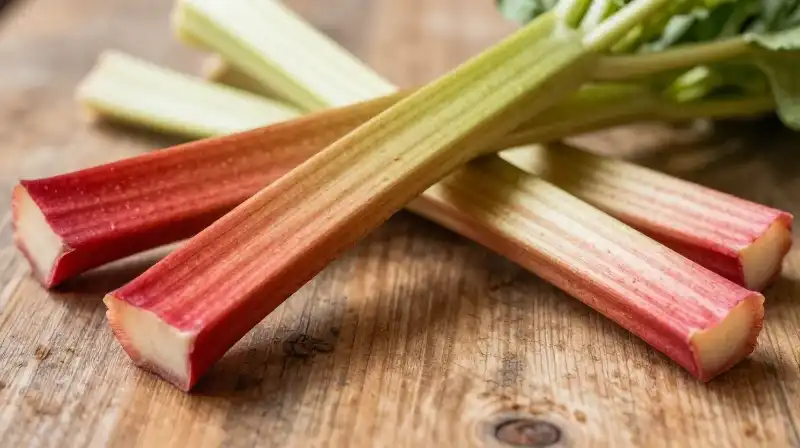
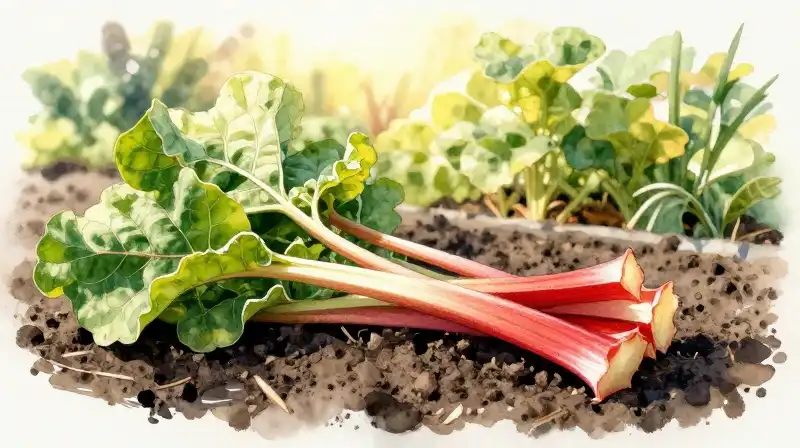
Rhubarb is primarily valued in culinary applications due to its tart flavor, making it perfect for pies, sauces, and preserves. The harvest is generally ready in the spring once the stalks have reached a length of approximately twelve inches.
The process of harvesting is specific: always pull and twist the stalk slightly rather than using a knife to cut it. This careful removal technique is vital to prevent disease from entering the main plant structure. Following the harvest, remember that the leaves are poisonous and must be completely removed.
When you are ready to collect rhubarb seeds, you must wait until the stalks and seed pods are fully dried. This dried material is what you collect to start the cycle anew. Gardeners can also divide the crowns in early spring every eight to ten years to maintain the plant’s overall productivity.
Essential Decisions and Practical Warnings
While growing rhubarb from seed offers genetic novelty, it is important to compare this method with the more traditional approach of using crowns.
| Method | Time to First Harvest | Genetic Diversity | Initial Effort |
|---|---|---|---|
| Growing from Seed | 3+ years | High (Allows for unique traits) | High (Multiple transplant/care years) |
| Planting Crowns | 1 year (usually) | Low (Clonal) | Low (Direct planting) |
For most gardeners who need a consistent harvest sooner, planting crowns is the preferred method. However, if the goal is exploration, discovering unique colors, or maintaining a genetic pool, the seed method is the superior choice.
Always ensure that you are providing an environment that manages water drainage. While rhubarb needs moisture, soggy soil can lead to root rot. Balancing consistent watering with excellent drainage is the key to avoiding the most frequent growing errors.
How to Grow Rhubarb from Seed to Harvest
Prepare the Seeds
Soak the rhubarb seeds for one to two hours to soften the seed coat and improve the chance of germination.
Determine Planting Timing
Plan based on regional frost dates; start indoors 4 to 8 weeks before the final frost, or direct sow 2 to 3 weeks before the last frost.
Sow Seeds
Plant seeds between half to one inch deep in a tray or garden, maintaining roughly four feet of spacing between individual seeds while young.
Nurture Initial Growth
Keep seedlings in a potting mix or tray, protecting them from weed competition until they are sturdy and the threat of frost has passed.
Transplant and Establish Roots
Once seedlings are hardy, transplant them outside and adjust the initial spacing to approximately one foot between each plant to allow root development.
Maintain the Growing Cycle
As the plant matures, increase spacing to approximately four feet between plants, and ensure consistent watering while maintaining excellent soil drainage.
Harvest the Rhubarb
Harvest stalks when they reach a length of approximately twelve inches, using a careful pull and twist method (not a knife) to prevent disease.
Post-Harvest Care
Completely remove all leaves after harvesting the stalks, and collect seeds from dried stalks and pods if you intend to restart the cycle.
Related Articles