
Vole Trapping Guide: Effective, Humane Methods Beyond Snap Traps

Introduction
Vole population management demands a solution that is highly effective against these burrowing pests without compromising the surrounding ecosystem. Standard approaches, such as snap traps and poisons, often fail to meet this standard. Traditional snap traps frequently prove insufficient against larger vole species, while poisons pose a severe risk to non-target wildlife, such as predators that may consume poisoned animals. Successful vole control requires moving beyond generic pest solutions and implementing specialized strategies tailored to the habits and physical size of the target population. This guide focuses on precise, humane, and environmentally conscious vole trapping techniques that prioritize minimizing risk while maximizing capture efficiency.
Limitations of Conventional Vole Control Methods
 Before adopting specialized methods, it is essential to understand why conventional tools often fall short in environmental stewardship or efficacy.
Snap Traps and Target Specificity
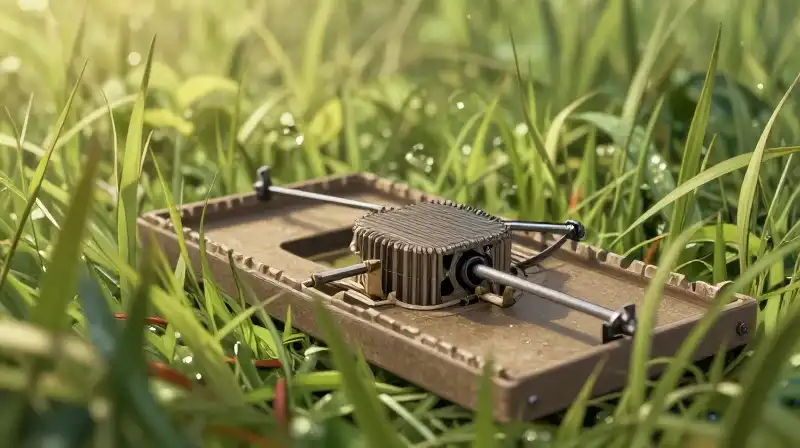
While snap traps are common, they face two primary limitations when dealing with voles: effectiveness and placement risk. They may not deliver the killing power required for certain larger vole breeds. Furthermore, placing traps in open, visible areas increases the likelihood of catching non-target wildlife, violating principles of safe environmental management.
The Risks Associated with Poisons
The use of rodent poisons in managed landscapes is heavily scrutinized by environmental agencies. The risk is twofold: primary risk is the intended target not being eliminated, and secondary risk involves non-target predators (such as raptors or foxes) consuming poisoned animals, leading to secondary poisoning. Sustainable vole control must eliminate this liability.
Suitability of General Rodent Traps
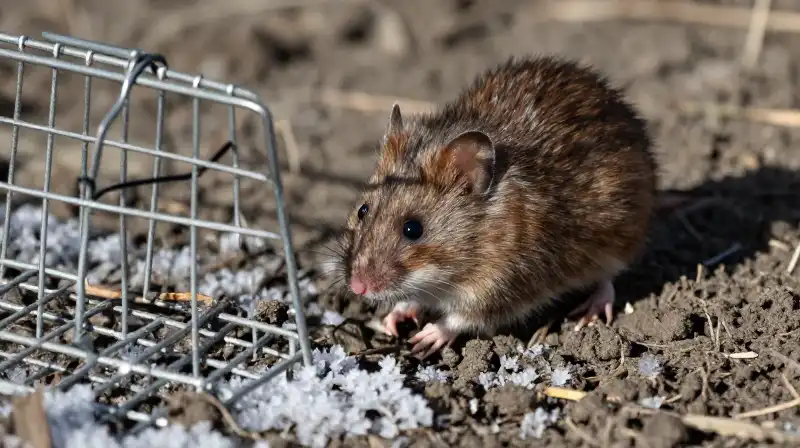
Many household mice traps are too small or lack the specific design features needed to effectively catch a vole. Voles differ in size and burrowing habits from smaller, more common house mice; therefore, selecting a trap designed for specialized subterranean rodents is critical.
Strategic Vole Trapping: The Inverted Gutter Technique
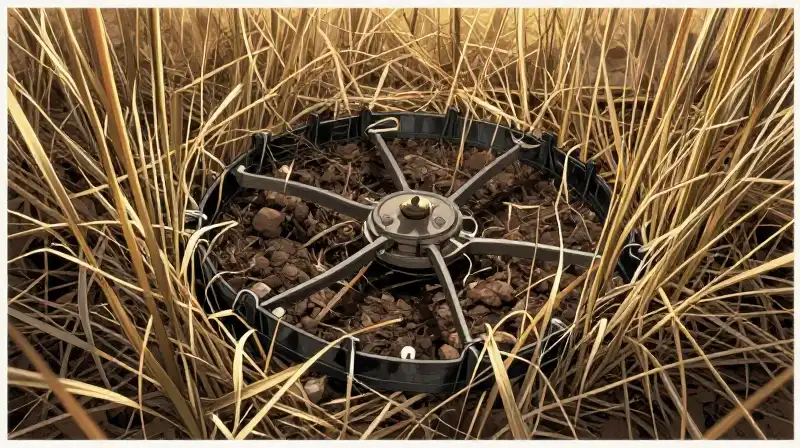 For precise and contained vole management, an inverted rain gutter trap offers a highly effective, low-risk alternative that can be deployed directly over active tunneling sites. This method requires careful setup but yields contained, successful results.
- Identify and Prepare the Site: Locate active vole tunnels or entry holes. To monitor the area, gently cover existing holes with soil to confirm continuous activity before installation.
- Determine Trap Needs: Utilize two identical traps for every identified vole hole. Position these traps on opposite sides of the observed hole. This dual placement ensures a wider capture radius.
- Mount and Secure the Traps: Secure the traps firmly into the soil by drilling a hole to accommodate a 4-inch nail. Ensure the trap is stable before moving to the final step.
- Cover with the Gutter: Conceal the trap by placing an inverted piece of rain gutter over the trap. Crucially, the traps must remain fully contained within the gutter and must not protrude past the terminal end.
- Stabilize the System: Secure the surrounding gutter using heavy gauge wire to prevent movement, ensuring it remains flush with the surrounding terrain.
- Environmental Safety Check: If the area is frequented by domestic pets, block the ends of the gutter system using sticks or hardware cloth. This prevents accidental access and interference from non-target animals.
In this technique, the traps do not require bait to function, relying on the proximity of the open burrow for discovery.
Optimal Placement and Monitoring Protocols
Effective vole trapping is less about the hardware and more about the strategic deployment and diligent monitoring.
Focus on Vole Habit Zones
The primary area of focus should be where voles are observed tunneling or traversing. Do not simply scatter traps; instead, concentrate them immediately adjacent to and along established travel corridors. Agricultural pest management notes emphasize that voles rarely move far from their secure burrow, making localized density key to success.
The Necessity of Regular Inspection
Trap efficacy relies on consistent attention. Daily inspections are essential to monitor activity levels, ensuring that the traps are functional. Once a trap has successfully captured a vole, immediately reset it in the identical location. This maintains a continuous capture point until the activity in that specific tunnel ceases completely.
Addressing Common Vole Trapping Questions
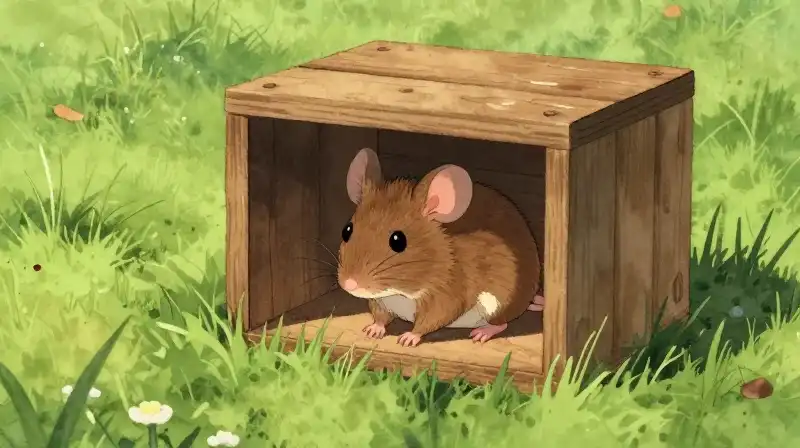
Consumers frequently seek guidance on whether conventional traps are adequate for these specific pests. Understanding the nuances of these methods helps in selecting the right equipment.
Do regular mouse traps work on voles? (How to catch a vole in your house)
Generally, regular household mouse traps are not recommended for vole management. Voles are different in size, body structure, and behavior compared to typical house mice. Using specialized traps, such as those designed for subterranean pests or the secure, inverted gutter method, increases the likelihood of a successful capture and ensures a more humane management process.
What is the best way to catch a vole?
There is no single “best” way, but the most reliable and environmentally sound approach is to use a multi-pronged strategy. The best method is contingent upon the environment:
- High-density tunneling: Use the inverted gutter trap method for high precision.
- Active movement lines: Place snap traps (positioned safely away from open areas) along established surface travel lines for broad coverage.
- Targeted removal: Focus on reducing the total number of active burrows through systematic, diligent checking of placement areas.
Synthesis: Sustainable Vole Control Guidelines
Successfully controlling a vole population while adhering to environmental safeguards requires prioritizing observation and precision over broad-spectrum extermination. The inverted gutter trap provides a tangible, effective, and localized solution. Whether utilizing this precision method or choosing other specialized traps, the success of the operation rests on several critical commitments.
- Targeted Care: Never use a general, one-size-fits-all approach. Ensure your trapping device is sized and designed for the specific vole population.
- Environmental Boundary: Always prioritize the safety of non-pest species. If a method introduces risk (like poisons or unsecured traps), choose a safer, contained alternative.
- Continuous Maintenance: Traps must be checked daily and reset promptly at the capture site until the activity of the specific vole hole has demonstrably ceased.
By employing these focused and specialized techniques, one can achieve robust vole control without resorting to detrimental environmental practices.
Frequently Asked Questions
What is the best way to catch a vole?
The article states that while there is no single best way, the most reliable approach is a multi-pronged strategy. This may involve using an inverted gutter trap method for high precision, placing snap traps along active surface travel lines, or focusing on targeted removal of active burrows.
Do regular mouse traps work on voles?
Generally, regular household mouse traps are not recommended for vole management because voles are different in size, body structure, and behavior compared to typical house mice. Selecting a trap designed for subterranean pests is critical for successful capture.
How to use the Inverted Gutter Technique for Vole Trapping
Identify and Prepare the Site
Locate active vole tunnels or entry holes. To monitor the area, gently cover existing holes with soil to confirm continuous activity before installation.
Determine Trap Needs
Utilize two identical traps for every identified vole hole. Position these traps on opposite sides of the observed hole to ensure a wider capture radius.
Mount and Secure the Traps
Secure the traps firmly into the soil by drilling a hole to accommodate a 4-inch nail. Ensure the trap is stable before proceeding.
Cover with the Gutter
Conceal the trap by placing an inverted piece of rain gutter over it. The traps must remain fully contained within the gutter and must not protrude past the terminal end.
Stabilize the System
Secure the surrounding gutter using heavy gauge wire to prevent movement, ensuring it remains flush with the surrounding terrain.
Environmental Safety Check
If the area is frequented by domestic pets, block the ends of the gutter system using sticks or hardware cloth to prevent accidental access and interference from non-target animals.
Related Articles