Effective Tree Fungus Treatment: A Guide to Saving Your Trees

Introduction
Identifying and treating fungus on trees is essential for preserving the health and structure of your landscape. While many people believe that fungicide sprays are a guaranteed solution, effective treatment requires a thorough understanding of the specific type of decay, its severity, and the underlying environmental stressors. Fungus is rarely the sole problem; it is often the visible symptom of a weakened tree struggling against poor soil, drought, or age. This guide provides a systematic approach to diagnosing, choosing, and executing the most effective tree fungus treatment strategies, ranging from natural home remedies to professional chemical interventions.
Diagnosing the Fungus: More Than Just a Spot of Mold
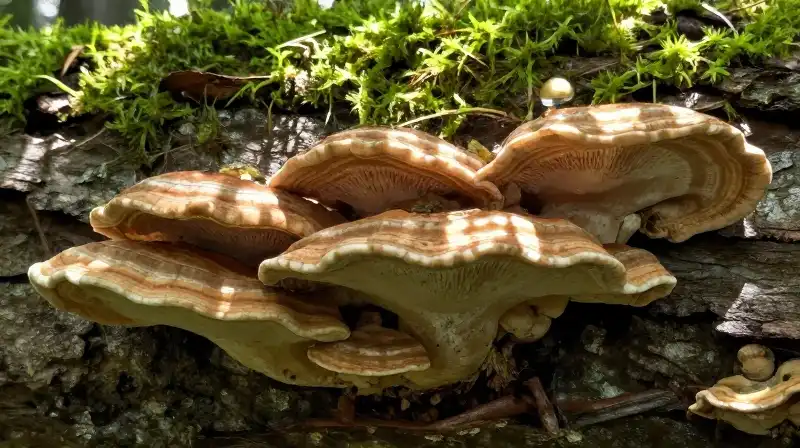
The initial step in successful treatment is accurate identification. Different fungi indicate different stages of decay and require vastly different approaches. Do not start spraying or digging until you know what you are dealing with.
Examine the affected area for these key diagnostic signs:
- Color and Texture: Is the growth white and fluffy (indicative of superficial mold or powdery mildew), brown and hard (suggestive of serious canker or heart rot), or black and brittle?
- Location: Is the fungus confined to the bark (a superficial issue), or is it found within the wood, branches, or roots (indicating systemic decay)?
- Visible Damage: Look for hollow sections, peeling bark, or branches that are suddenly brittle and breaking under minor stress.
- Symptom Correlation: Does the affected tree show overall stress—sparse leaf growth, unusual leaf color, or stunted development? These are often precursors or co-factors to fungal infection.
Is Fungus on Trees Harmful?
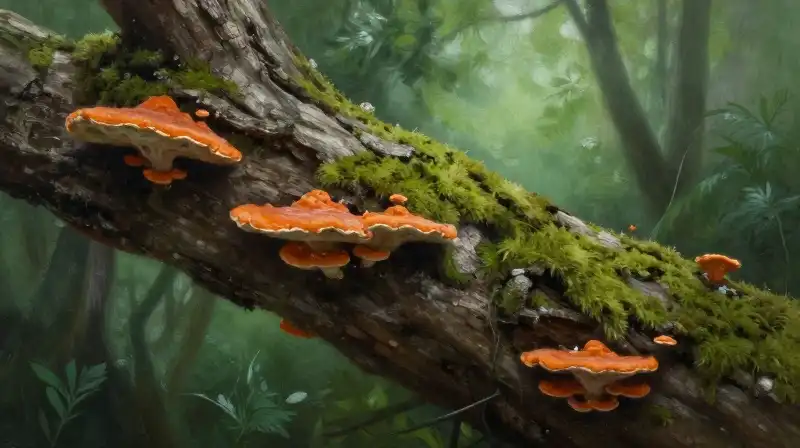
Most fungi are not inherently harmful, but certain pathogens are destructive. Superficial mold, often seen after heavy rain, is usually harmless and dissipates. However, when the fungus enters the vascular system or the heartwood, it causes significant decay. This decay compromises the tree’s ability to transport nutrients and water, leading to structural instability and, eventually, tree death. The severity depends on how deep the infection has penetrated the trunk and branches.
Understanding the Root Cause: Stress and Environment
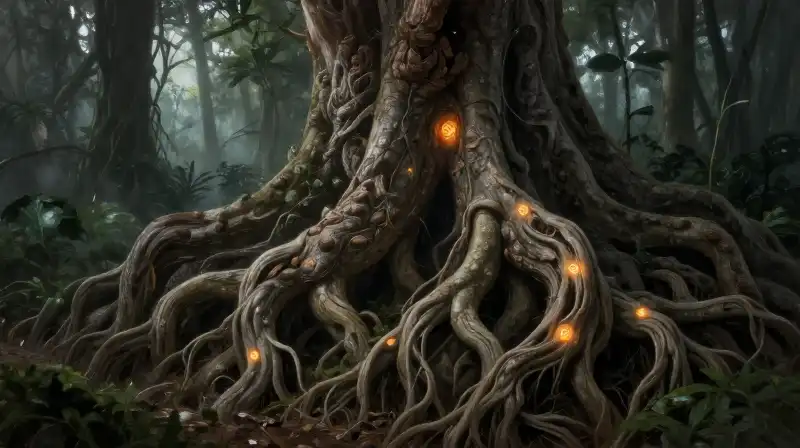
Treating the fungus is temporary; addressing why the fungus took hold is permanent. Fungal diseases thrive when a tree is compromised. Before applying any treatment, assess the tree’s health and environment.
Common contributing factors include:
- Overcrowding: Lack of air circulation allows moisture to linger on leaves and bark, creating ideal conditions for fungal spores.
- Improper Watering: Watering heavily near the trunk encourages root rot, allowing opportunistic fungi to spread. Water the soil, not the foliage.
- Soil Compaction: Dense, packed soil restricts oxygen, which stresses roots and makes the tree vulnerable.
- Environmental Shifts: Sudden temperature drops, prolonged drought, or excessive humidity can trigger fungal bloom in stressed trees.
Choosing Your Treatment Path: Natural vs. Chemical
The selection of a treatment depends entirely on the diagnosis, severity, and the specific tree’s health. It is crucial to recognize that natural home remedies are best suited for minor, superficial infections, while deep decay requires targeted chemical or professional removal.
Mild Cases: Natural and Home Remedies
For localized mildew or early surface infections, natural solutions can sometimes slow the spread. These options are typically applied to the surface and require vigilant maintenance.
Common natural approaches include:
- Neem Oil: This organic fungicide disrupts the fungal life cycle. It must be applied thoroughly, covering all affected surfaces.
- Baking Soda/Vinegar Solutions: Mild concentrations of vinegar can inhibit the growth of certain superficial fungal spores. These are most effective against mild powdery mildew but lack the systemic power to combat deep rot.
- Pruning and Sanitation: Removing infected branches immediately, cutting them flush, and safely disposing of them prevents spore spread. This is arguably the most effective first step regardless of the method chosen.
Moderate to Severe Cases: Chemical and Professional Intervention
If the fungus has entered the bark or wood, natural treatments are rarely sufficient. A targeted intervention is necessary.
When to use Fungicides:
Systemic fungicides are designed to be absorbed by the tree, protecting it from internal threats. These are typically professional-grade products and should only be used on trees exhibiting signs of spreading rot or established infection. Always follow the manufacturer’s instructions regarding dosage and application timing (often after rain or humidity). Never apply chemicals when the tree is severely stressed or during extreme heat, as the chemicals can exacerbate stress.
Professional Arborist Consultation:
If you suspect heart rot, internal decay, or a large structural threat, a certified arborist is necessary. They can use specialized diagnostic tools (like resistance testing or core sampling) to determine if the tree can be saved, whether structural supports are needed, and if chemical injections are viable options. This moves the process from a “treatment” to a “salvage operation.”
Prevention: Keeping the Fungus at Bay
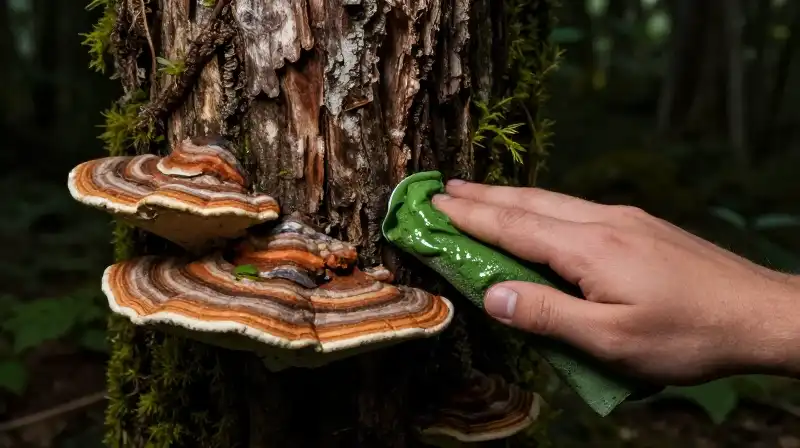
The most effective long-term strategy is preventing the conditions that allow fungal diseases to flourish. Prevention requires consistent maintenance and attentive care.
- Pruning for Airflow: Conduct seasonal pruning to open up the canopy. This improves air circulation, which drastically reduces the humidity pockets where fungi thrive.
- Proper Spacing: Ensure trees are planted at the recommended distance for their mature size. Overcrowding traps moisture and limits light.
- Soil Health Management: Amend soil with organic matter to improve drainage and aeration. Avoid heavy fertilizers that promote excessive, weak growth.
- Water Management: Establish a deep, infrequent watering schedule rather than frequent, light sprinkles. This encourages strong, deep root systems that are more resilient to stress.
Decision Criteria: DIY vs. Professional Help
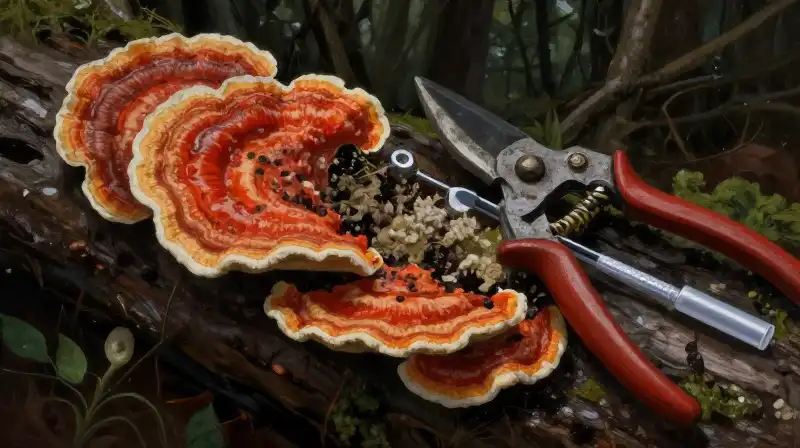
Deciding whether to manage the fungus yourself or call an expert hinges on the severity and depth of the infection. Use this criteria to make an informed decision:
| Indicator | Action Required | Reasoning |
|---|---|---|
| Mild surface mold or mild discoloration | DIY (Natural treatment/Pruning) | The fungus is superficial and localized; simple sanitation is usually sufficient. |
| Visible trunk or branch rot, extensive cankers | Targeted Treatment (Chemical/Professional) | The decay is systemic and requires specialized penetration to halt spread. |
| Large, structural hollow areas; multiple dying limbs | Arborist Consultation (Salvage) | The tree’s structural integrity is compromised; professional assessment is critical for safety and long-term viability. |
Summary: Priority and Vigilance
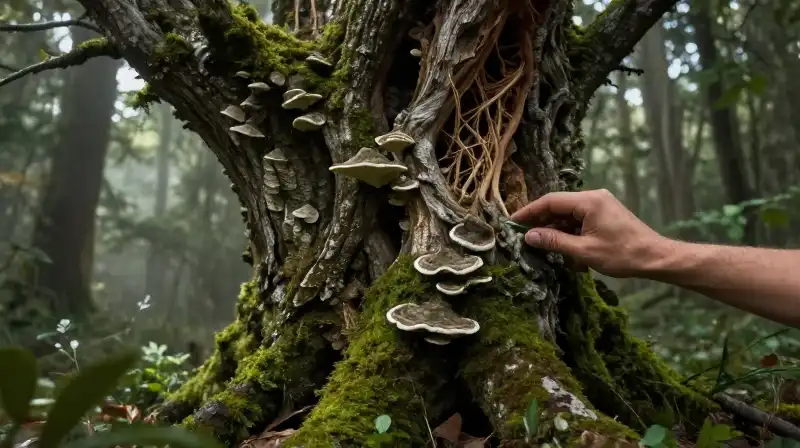
Managing fungus on trees is a long-term commitment, not a one-time fix. The most valuable lesson is that treatment success begins with diagnosis: accurately determining if the fungus is a superficial nuisance or a sign of deep, internal rot. If the problem is mild, sanitation and improving tree health are key. If the decay is established, targeted chemical treatments or, more importantly, professional arborist intervention are non-negotiable. Always prioritize the health of the tree’s roots and overall environment, as robust trees are the most resilient defenses against fungal pathogens.
How to Manage Tree Fungus
Diagnose the Fungus
Examine the affected area for key diagnostic signs, including the color and texture of the growth, its specific location (bark vs. wood), and any visible damage like hollowing or peeling bark.
Assess Environmental Root Causes
Evaluate the tree's health and surrounding environment by checking for overcrowding, improper watering near the trunk, soil compaction, and recent environmental shifts like drought.
Select the Appropriate Treatment Path
Determine if the infection is superficial (mild, localized) or systemic (moderate to severe, internal decay) to decide between natural home remedies, targeted chemical intervention, or professional arborist consultation.
Implement Pruning and Sanitation
For both mild and moderate cases, remove infected branches immediately, cutting them flush, and dispose of them safely to prevent the spread of spores.
Choose and Apply Specific Treatments
Apply natural remedies (like Neem oil or vinegar solutions) for minor surface issues, or use systemic professional fungicides/consult an arborist for deeper decay as per manufacturer instructions or professional assessment.
Establish Long-Term Prevention
Conduct seasonal pruning for air circulation, ensure proper tree spacing, amend soil for aeration, and establish deep, infrequent watering to build tree resilience.
Related Articles