Butterfly Milkweed Seed Guide: Successful Planting Tips

Introduction
Butterfly Weed, scientifically known as Asclepias tuberosa, is more than just a stunning native plant; it is a crucial component of the Monarch butterfly life cycle. Unlike other milkweeds, it offers a vibrant burst of orange color and a specialized habitat necessary for the survival of Monarch caterpillars. Growing Butterfly Milkweed from seeds offers a rewarding opportunity to support local ecosystems and add striking color to your landscape. This guide provides the specific parameters needed to successfully grow Butterfly Milkweed seeds, ensuring you capitalize on the plant’s natural drought tolerance and unique environmental requirements.
Butterfly Weed vs. Other Milkweeds: Understanding the Distinction
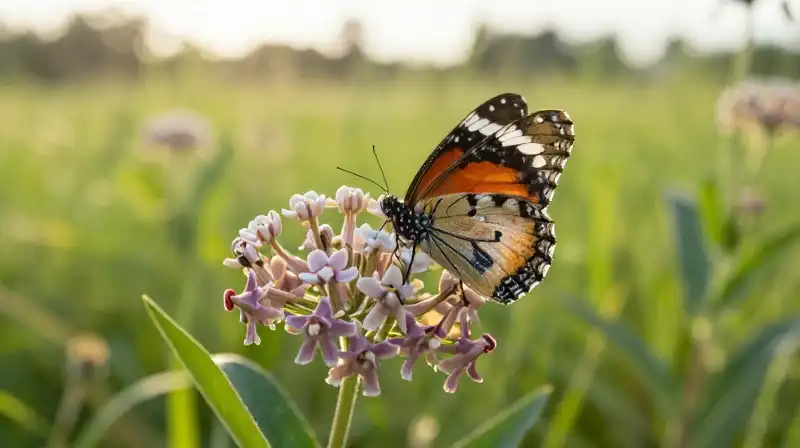
A common point of confusion is differentiating Butterfly Milkweed from other species in the Asclepias genus. The key difference lies in the plant’s foliage and sap.
- Distinct Identification: Butterfly Weed is easily identified by its intense orange, nectar-rich flowers and its narrow, tapered, dark green leaves. Crucially, it lacks the milky white sap characteristic of many other milkweeds.
- Sap Warning: While the plant does possess milky sap, it is highly concentrated in other species. In Asclepias tuberosa*, the sap is less prominent, but it remains poisonous if consumed in large quantities. Skin contact with the sap may cause dermatitis in sensitive individuals.
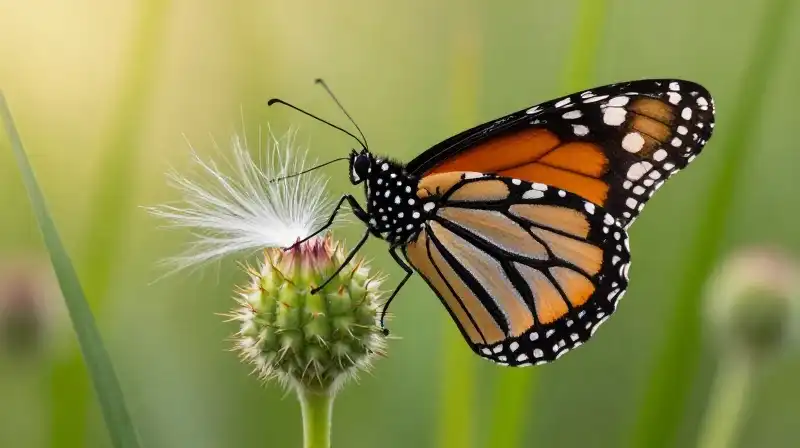
- Ecological Role: All milkweeds are part of the Monarch’s lifecycle, but the vibrant, sunny nature of Butterfly Weed makes it a high-value target for Monarch adults searching for nectar.
When to Start Seeds and Sourcing Your Plants

Timing and seed quality are essential for a successful start. Because Butterfly Weed has a deep, long taproot, it can be unpredictable, sometimes emerging late in the spring, especially in cooler or northern climates.
For optimal germination, the ideal temperature range for sowing is between 65–70°F. This preference means that if starting seeds indoors, monitoring and maintaining this temperature is critical for successful growth.
- Buying Seeds: When seeking butterfly milkweed seeds, look for reputable suppliers offering pure, non-GMO heirloom seeds to ensure genetic health and vibrant color. Searching for “butterfly milkweed seeds usa” or “butterfly milkweed seeds bulk” will often yield several good results, but verify the supplier’s quality.
- Local Sourcing: If “butterfly milkweed seeds near me” is a priority, check local native plant nurseries, as they often carry regionally adapted strains.
The Step-by-Step Guide to Growing From Seed
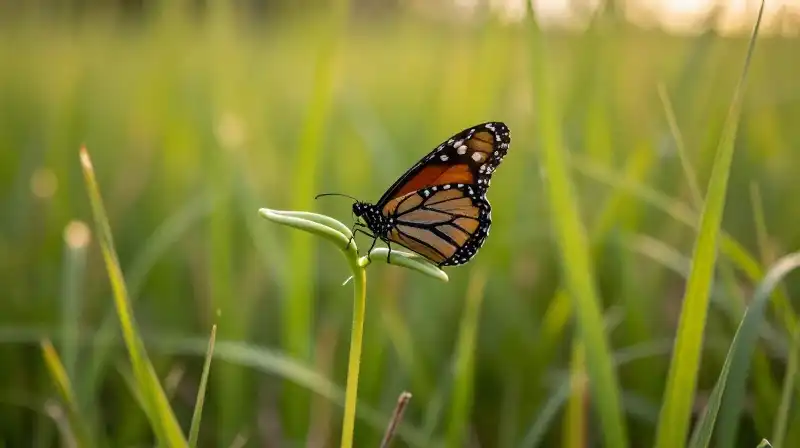
Successfully growing Butterfly Milkweed involves careful attention to planting depth and spacing, which determines how well the plant can utilize its powerful taproot system.
- Preparation: Choose a location that receives full sun. Ensure the soil is dry and very well-drained; this is a non-negotiable requirement for the plant.
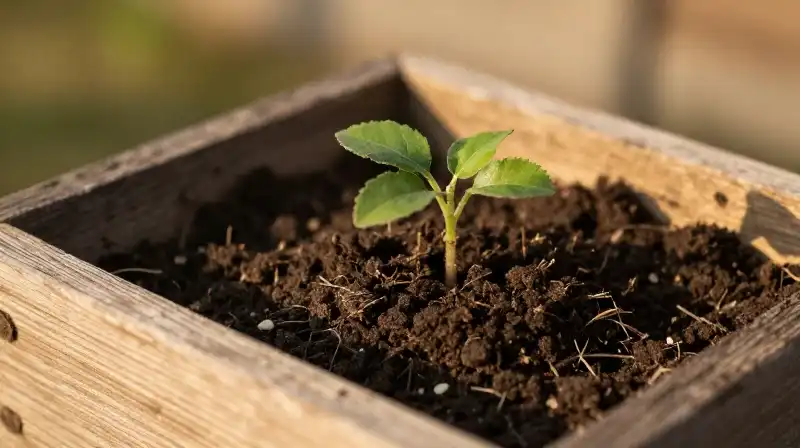
- Planting Depth: Plant seeds at a shallow depth, between 1/4 and 1/2 inch. This shallow placement allows the initial sprout to emerge easily while the taproot begins its deep descent.
- Spacing: Space the seeds or small transplants 12 to 24 inches apart. In ideal conditions, a single spot can develop up to 20 stems, but spacing ensures each plant has adequate room for its root structure to develop.
- Germination Period: Expect sprouts to appear within 14 to 21 days once the seeds have received adequate warmth and light.
- Maintenance: Once established, Butterfly Weed thrives with minimal fuss. Its long, deep taproot provides natural drought tolerance, allowing it to flourish even in arid or semi-arid conditions.
Optimizing the Environment: Sunlight and Drainage
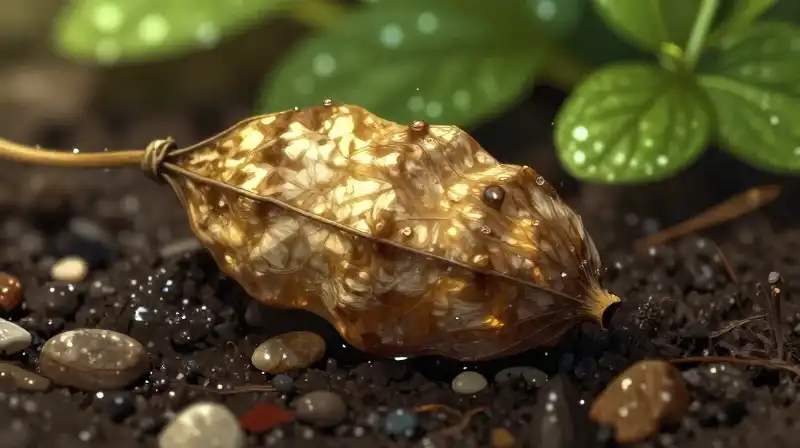
The characteristics of Asclepias tuberosa make it highly resilient, provided its basic environmental needs are met. Its narrow, non-stemmed leaves are specifically adapted to sunny locations and well-drained environments.
The deepest root system is the plant’s most valuable asset. To support this, proper drainage must be maintained. If planting in containers, use a gritty, sandy potting mix rather than heavy garden soil. In the ground, amend clay-heavy areas with coarse sand to prevent water from pooling, which can hinder the development of the crucial taproot.
Does Butterfly Milkweed Spread Easily?
Butterfly Milkweed tends to establish itself with a strong, fixed root structure thanks to its taproot. It is not generally considered an invasive or overly aggressive spreader in the manner of runners (rhizomes), though it can naturally increase (populate) through favorable seed drop and successful establishment in a specific area.
If you are concerned about natural spread, limit the initial number of seeds planted and focus on establishing a few well-spaced, strong individuals rather than a dense thicket. This focuses growth on individual plant vigor rather than mass coverage.
Prerequisites for Long-Term Success
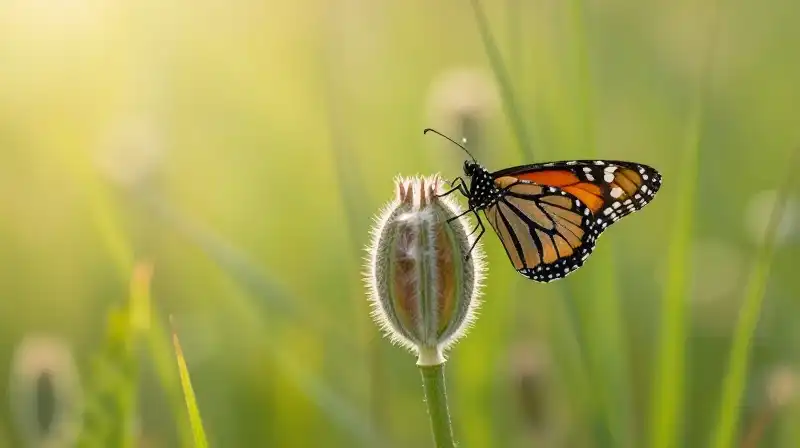
To ensure your Butterfly Milkweed is long-lived and establishes a robust population, two criteria are paramount: sunlight and soil structure.
- Sunlight Requirement: The plant requires full sun exposure. Even partial shade will lead to weaker stems and less vibrant flowering, reducing the plant’s attractiveness to Monarch pollinators.
- Drought Resilience vs. Establishment: While the plant is highly drought-tolerant once mature, consistent care with drainage, especially during the initial germination phase (when it is most vulnerable to moisture issues), is key.
By prioritizing proper spacing and ensuring your soil does not retain excessive moisture, you are providing the ideal conditions for this hardy perennial to become a thriving, multi-stemmed fixture in your garden.
Frequently Asked Questions
When should I start Butterfly Milkweed seeds?
Butterfly Weed can sometimes emerge late in the spring, particularly in cooler or northern climates, due to its deep taproot. For optimal germination, the ideal temperature range for sowing seeds is between 65–70°F.
Is there a difference between milkweed and Butterfly Milkweed?
The key difference between Butterfly Milkweed and other milkweeds lies in the plants foliage and sap; Butterfly Weed features narrow, dark green leaves and lacks the milky white sap characteristic of many other species. While all milkweeds support the Monarchs lifecycle, Butterfly Milkweed is distinguished by its vibrant, intense orange flowers, making it a high-value target for Monarch adults.
Does Butterfly Milkweed spread easily?
Butterfly Milkweed has a strong, fixed root structure and is not generally considered an invasive or overly aggressive spreader in the manner of runners (rhizomes). However, it can naturally increase its population through favorable seed drop and successful establishment in a specific area.
How to grow Butterfly Milkweed from seeds?
To successfully grow Butterfly Milkweed from seed, choose a location that receives full sun and has very well-drained soil. Plant seeds at a shallow depth of between 1/4 and 1/2 inch, and ensure you space them 12 to 24 inches apart.
How to grow Butterfly Milkweed from seed
Preparation
Choose a location that receives full sun. Ensure the soil is dry and very well-drained, as this is a non-negotiable requirement for the plant.
Planting Depth
Plant seeds at a shallow depth, between 1/4 and 1/2 inch. This shallow placement allows the initial sprout to emerge easily while the taproot begins its deep descent.
Spacing
Space the seeds or small transplants 12 to 24 inches apart. This ensures each plant has adequate room for its root structure to develop.
Germination Period
Expect sprouts to appear within 14 to 21 days once the seeds have received adequate warmth and light.
Maintenance
Once established, Butterfly Weed thrives with minimal fuss. Its long, deep taproot provides natural drought tolerance, allowing it to flourish even in arid or semi-arid conditions.
Related Articles