Growing Bottle Brush Grass: Planting Tips and Dormancy Solutions

Introduction
Bottlebrush grass, scientifically known as *Elymus hystrix*, is a resilient bunchgrass recognized for its lush, cool-season foliage and characteristic feathery plumes. As a native plant to the Eastern United States and Eastern Canada, it is an excellent choice for enhancing biodiversity in residential landscapes. However, successful cultivation requires understanding its cool-weather growth patterns and its unique ecological role. Determining where and how to plant Bottlebrush grass depends on matching its specific light and climate needs with your landscape requirements while managing its vigorous growth potential.
Evaluating Suitability and Native Range
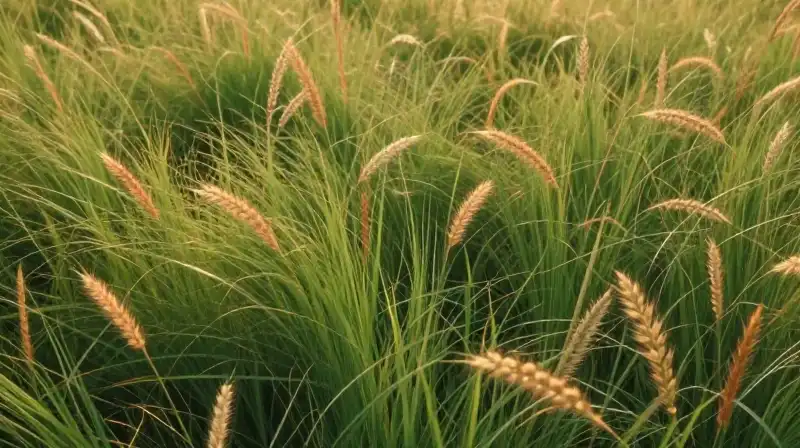
Bottlebrush grass thrives in the Eastern United States and Eastern Canada. Its suitability for your garden begins with its seasonal behavior. It is a cool-season grass, meaning it actively grows during the transitional periods of spring and fall when soil temperatures remain moderate and cool. Planting this variety in regions outside its native range should be done with local climate consultation, ensuring that the winter temperatures support its cold-hardiness without causing excessive damage.
The native habitat of *Elymus hystrix* provides strong indications of its preferred conditions. It typically favors moist, well-drained soils, often found in partially shaded or woodland settings. If you are looking for natural planting options to add biodiversity, ensure your site mimics these conditions to support the plant’s robust health.
Optimizing Growth Conditions and Placement
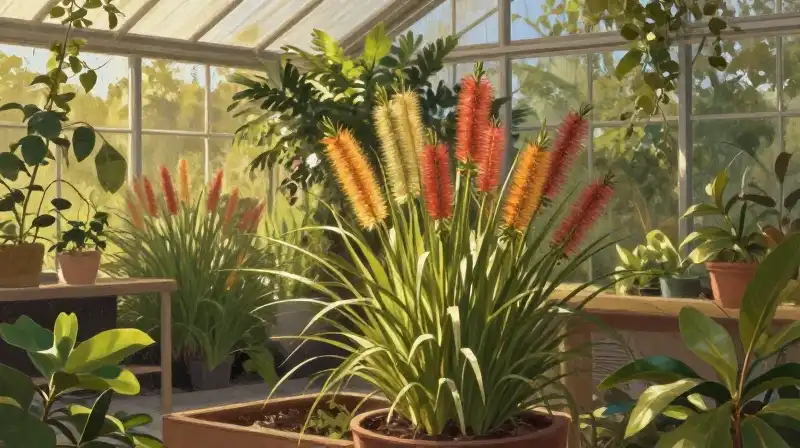
To maximize the health and aesthetic appeal of your Bottlebrush grass, placement and environmental considerations are paramount. This bunchgrass requires specific conditions to reach its potential.
Light Requirements
While Bottlebrush grass is hardy, it performs best in areas receiving bright, indirect light or partial shade. Direct, intense midday sun, particularly in hot climates, can scorch the fine, delicate foliage. A location that receives morning sun but is protected from the harshest afternoon exposure is often ideal.
Soil and Height Expectations
The plant is adaptable, but nutrient-rich, loamy soil allows for dense, healthy clumps. It forms a bunchgrass structure that can reach a respectable height, contributing significant vertical interest to shaded borders or naturalized areas. Allowing it sufficient room to spread is key to establishing a dense colony.
Cultivation and Propagation Tips
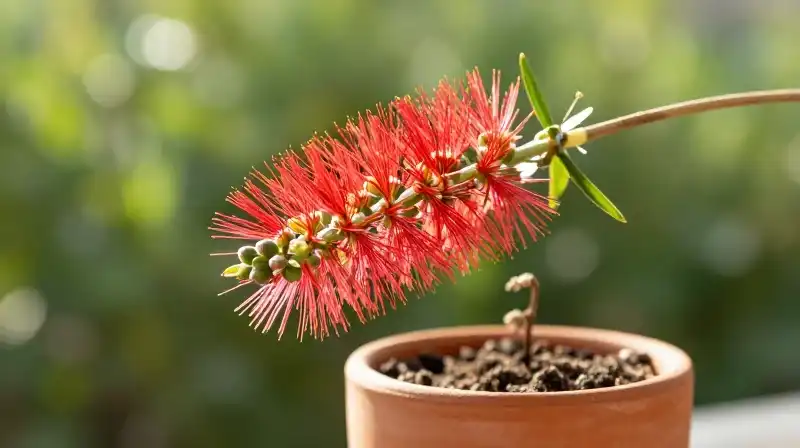
For those starting with Bottlebrush grass seeds or transplants, careful planting is necessary to ensure successful establishment.
Planting Techniques
When planting from seed, sow them in areas that will be protected and well-drained. Because it is a cool-season grass, planting during late fall or early spring—when temperatures are mild—facilitates a more successful germination and initial growth phase. For larger transplants, dig a hole slightly wider than the root ball, ensuring the crown sits level with the surrounding soil. Water deeply after planting, especially in the initial months.
- Soil Preparation: Incorporate organic matter to improve moisture retention and nutrient availability.
- Spacing: Allow ample space between individual clumps to prevent overcrowding, which can lead to competition for light and nutrients.
- Watering: Consistent moisture is vital during the first growing season until the root system is fully established.
Managing Challenges and Potential Invasive Traits
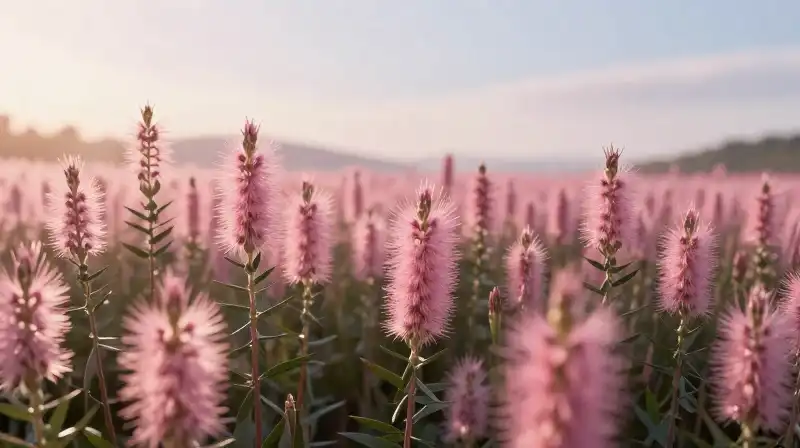
A common discussion surrounding Bottlebrush grass is its vigor and its potential for spread. While its ability to spread is a sign of its resilience, it can also lead to competition with other desirable landscape plants.
Monitoring Invasive Potential
In certain local contexts, Bottlebrush grass can be considered aggressive. If you are planting it in a sensitive area or near other established species, managing its growth habit is essential. Consider planting it in defined borders or areas where its spreading nature can be contained.
Common Problems and Solutions
The most frequent “problems” with this grass relate to overexposure or competition. If the grass turns yellow, it may indicate poor drainage or nutrient deficiency. To combat this, periodically amend the soil with compost. If the foliage looks wilted, check for adequate moisture, as drought is the primary stressor.
Practical Recommendations for Long-Term Success
Bottlebrush grass offers substantial visual texture and ecological benefits, but its longevity depends on thoughtful site management. To ensure your investment in this native grass succeeds, prioritize these actions:
Select the Right Location: Confirm your planting area receives cool moisture and bright, but not scalding, sunlight.
Embrace Seasonal Growth: Understand that its primary display and active growth occur in the cooler parts of the year; maintain a stable environment to support this cycle.
Plan for Management: If concerned about its ability to spread, define its planting area from the outset. A healthy, managed patch of Bottlebrush grass enhances local biodiversity while remaining aesthetically pleasing.
Frequently Asked Questions
Where to plant Bottlebrush grass?
Bottlebrush grass performs best in areas that receive cool moisture, bright indirect light, or partial shade, such as partially shaded or woodland settings. It thrives in moist, well-drained soils and should be protected from intense midday sun.
How to Cultivate Bottlebrush Grass
Identify Suitable Location
Select an area that receives bright, indirect light or partial shade, ensuring the soil is moist, well-drained, and nutrient-rich.
Prepare the Soil
Incorporate organic matter into the planting area to improve moisture retention and nutrient availability.
Determine Planting Time and Method
For seeds, plant during late fall or early spring when temperatures are mild. For transplants, dig a hole slightly wider than the root ball and place the crown level with the surrounding soil.
Ensure Proper Spacing
Allow ample space between individual clumps to prevent overcrowding, which can lead to competition for light and nutrients.
Initial Watering and Maintenance
Water deeply after planting and maintain consistent moisture during the first growing season until the root system is fully established.
Related Articles