How to Kill Foxtail Weeds: Your Guide to Effective Control


Introduction
Foxtail, often classified as wild millet, is a persistent annual grass weed that presents a significant challenge to lawn and field health. Defined by its rapid growth and ability to produce seed throughout the summer, foxtail—whether yellow, green, or giant varieties—is not deterred by varying soil moisture or sunlight. Successful control requires moving beyond simple chemical application and adopting a strategic, seasonal approach. To effectively kill foxtail weeds, the focus must be on timing: utilizing pre-emergent products during spring to prevent seed germination, or deploying targeted post-emergent treatments during the summer to eliminate plants before they mature and set seed.
Why Foxtail Remains a Persistent Problem
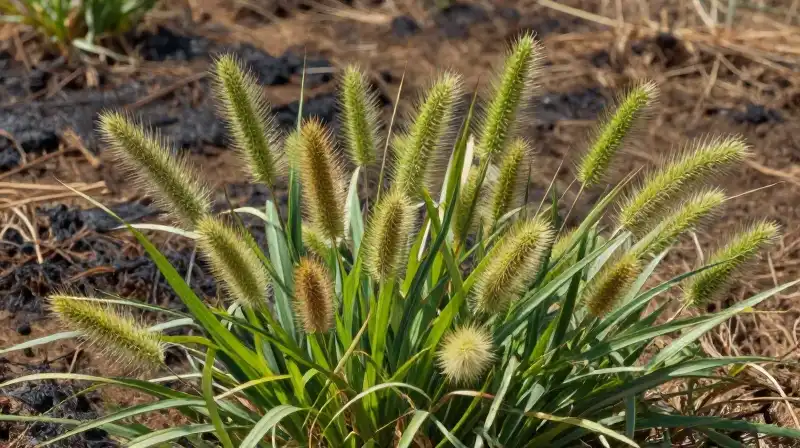 Before choosing a foxtail weed killer, it is essential to understand the weed’s aggressive life cycle. Foxtail is an annual grass, meaning it completes its entire life cycle—from seed to maturity—in a single year. Because it is highly reproductive and produces seeds consistently through the growing season, manual removal is often ineffective, and simply killing the visible plants without addressing the seed bank results in a guaranteed resurgence. This biological resilience means that the weed’s success depends on rapid growth and prolific seeding. Effective management, therefore, is less about “killing” an individual weed and more about “controlling” its population at critical stages. The small size of yellow foxtail, in particular, makes it difficult to spot and treat manually until it is too late to control its reproductive phase.
Timing is Everything: Pre-Emergent vs. Post-Emergent Strategy
 The most common mistake when using foxtail weed killer is attempting to use a single product for year-round control. The management strategy changes dramatically depending on the season and the weed’s life cycle stage.
Preventing Germination with Pre-Emergent Control
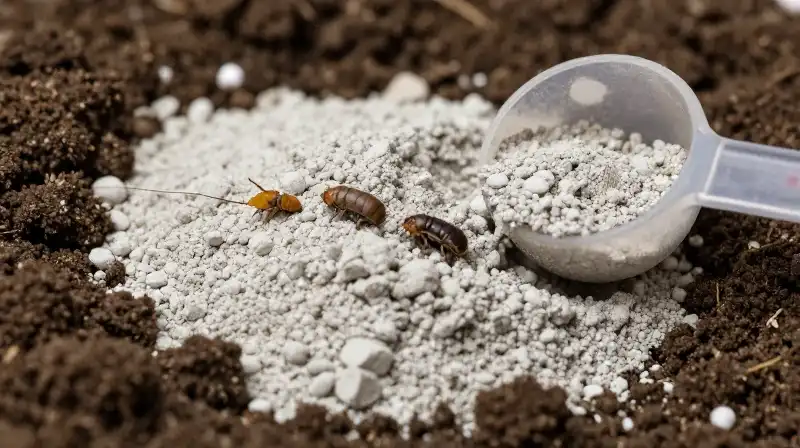
The most effective long-term strategy to prevent foxtail is the application of pre-emergent herbicides in early spring. These chemicals do not kill plants that have already emerged; instead, they create a chemical barrier in the soil that inhibits the germination of weed seeds.
- When to apply: Typically in early to mid-spring, before soil temperatures become conducive to foxtail germination.
- Goal: To eliminate the seed bank before it can successfully sprout.
- Context: This strategy is crucial for proactive lawn maintenance and is often the first line of defense against recurring foxtails.
Eliminating Existing Growth with Post-Emergent Control
Once foxtail has already sprouted, pre-emergents will no longer be effective. To eliminate established plants, you must use post-emergent herbicides. These products are designed to kill the active plant tissue of the weed.
- When to apply: Throughout the summer, targeting small, emerging foxtail plants.
- Goal: To destroy the plant before it reaches maturity and produces seeds.
- Method: Spot treatments or broadcast application are necessary to address the widespread nature of foxtail.
Choosing the Right Foxtail Weed Killer for Your Environment
 The choice between certain herbicides depends on where the foxtail is growing. While many lawn-safe herbicides can be effective, different scenarios require specialized solutions.
Control in Lawns and Landscape Beds
For residential environments, effective foxtail weed killers are generally designed for grassy weed control. When selecting a product, look for a post-emergent herbicide that is specifically noted for its ability to target annual grasses. The products are often categorized by the active ingredients, which determine their efficacy against broadleaf vs. grass weeds.
Managing Foxtail in Pastures and Outdoor Fields
Foxtail in pastures requires different considerations than in manicured lawns, as the goal is often to maintain a diverse mix of desirable grasses. In these large-scale areas, treatments must be targeted to avoid harming beneficial or desirable forage. Specialized grass-killing formulations are preferred, and when planning treatment in pasture, assessment of the surrounding flora is necessary to ensure the chosen weed killer will effectively target foxtail without excessive damage to the forage.
Foxtail Weed Killer Safe for Dogs and Pets?
Safety is a primary concern. Many standard foxtail weed killers contain chemical ingredients that can be harmful to pets if ingested. Always review the product label for specific “Pet Safety” or “Dormancy” warnings. For areas where pets frequently graze or play, application should occur when pets are away, and thorough cleaning or irrigation should follow application to prevent residual contact.
Best Practices for Successful Weed Control
Achieving complete foxtail elimination is rarely achieved with a single application. A layered approach improves the chances of success.
| Control Stage | Timing | Action | Goal |
|---|---|---|---|
| Prevention | Early Spring | Apply Pre-Emergent | Block seed germination |
| Treatment | Late Spring/Summer | Apply Post-Emergent | Kill active plants before seeding |
| Maintenance | Year-round | Mowing & Monitoring | Reduce weed growth and encourage turf health |
| Effective foxtail control also relies on healthy turf. Strong, well-maintained grasses are naturally more resistant to weed encroachment than weak or neglected lawns. Regular watering and proper soil health cultivation support the grass, allowing it to outcompete the annual foxtail weed. |
Summary of Actionable Steps
 To move beyond confusion, follow this practical decision-making process:
- Identify the Stage: Is foxtail currently in the soil (pre-seed), or has it already sprouted?
- Select the Treatment: If pre-seed, choose a pre-emergent barrier. If sprouted, choose a selective post-emergent grass killer.
- Match the Area: Ensure the chosen formula is appropriate for grass (lawn) or forage (pasture) as required.
- Follow the Schedule: Repeat treatments as necessary, especially during peak seeding periods, as foxtail can produce multiple generations in a single season.
By focusing on strategic, timely intervention, homeowners and property managers can significantly reduce the prevalence of foxtail and manage this persistent annual grass weed effectively.
Frequently Asked Questions
What is the best weedkiller for foxtails?
The most effective control is achieved by a layered, strategic approach: utilizing pre-emergent herbicides in early spring to block seed germination or applying post-emergent treatments during the summer to eliminate established plants. The choice of product should also be matched to the environment, selecting an herbicide designed specifically for grass weed control in lawns or specialized grass-killing formulations for pastures.
How to Control Foxtail Weeds
Identify the Weed Stage
Determine whether foxtail is currently in the soil (pre-seed) or if it has already sprouted.
Select the Treatment Type
If foxtail is pre-seed, choose a pre-emergent barrier. If it has sprouted, choose a selective post-emergent grass killer.
Match Treatment to Area
Ensure the chosen formula is appropriate for the environment, whether it is a lawn (grass) or a pasture (forage).
Follow the Schedule and Maintain
Repeat treatments as necessary, especially during peak seeding periods, as foxtail can produce multiple generations in a single season.
Related Articles