Growing Red Ornamental Grass: A Guide to Pennisetum Care

Introduction
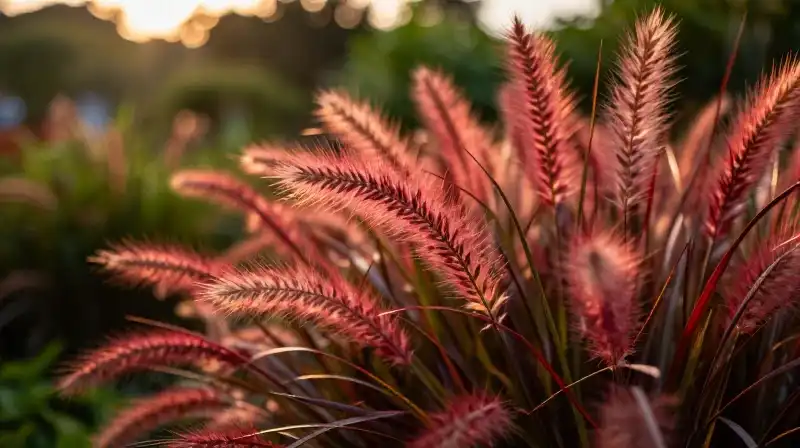
Pennisetum, commonly known as fountain grass, provides a striking element of texture and color to a landscape. If you are seeking the vibrant aesthetic of red ornamental grass, this specific cultivar offers a prolific, year-round display. These red ornamental grasses, particularly Red Head Fountain Grass, are prized for their rusty hue and fuzzy, elongated blooms that emerge through the summer and fall. This guide provides detailed insights into selecting, planting, and maintaining Pennisetum to ensure it establishes a healthy, resilient presence in your garden.
Understanding Red Ornamental Grass
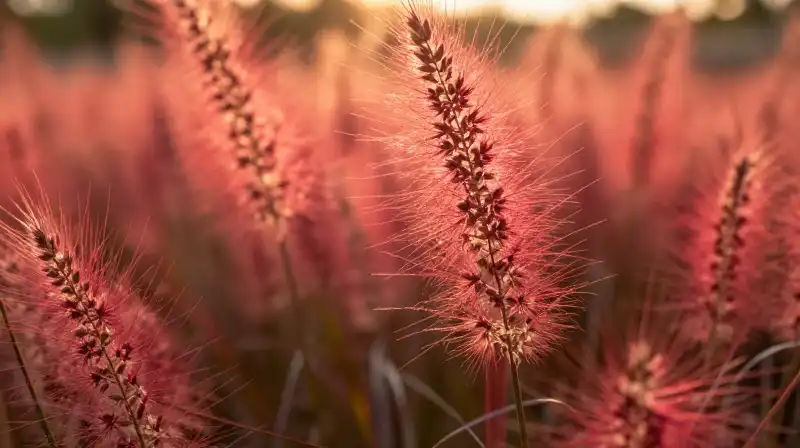 When looking for red grasses, *Pennisetum* is one of the most reliable and visually stunning options. Its distinctive characteristic is the deep, rusty red coloration of its plumes and foliage. Unlike some annual grasses, *Pennisetum* is known for its resilience and adaptability, which makes it ideal for xeriscapes and gardens that may struggle with poor soil conditions. The visual appeal of this grass is twofold:
- Textural Interest: The grass features a prolific growth pattern, creating a soft, feathery texture.
- Color: The rich, distinct rusty red coloration provides a strong visual contrast against green shrubs or neutral hardscaping, adding drama into the landscape.
While the primary focus here is Red Head Fountain Grass, if you are looking for an alternative with similar characteristics, the cultivar Pennisetum ‘Fireworks’ is a strong, smaller aesthetic choice that offers variation within the same species.
Optimizing Climate and Soil for Pennisetum Success
The success of your red ornamental grass depends heavily on matching its needs to your local environment. This plant demonstrates a specific tolerance for poor conditions but has clear hardiness requirements. For optimal growth, consider the following:
- Hardiness and Climate: Red Head Fountain Grass thrives best in warmer climates, specifically USDA Zones 9–10. In colder regions, it is typically used successfully as an annual. If planting in Zones 9-10, the plant can establish itself as a perennial, offering continuous visual interest.
- Soil Tolerance: Pennisetum is highly adaptable and shows strong tolerance for poor soils and drought. However, while it tolerates poor soil, amending the soil slightly during planting with organic matter can significantly improve the establishment phase and overall root development.
- Sun Exposure: This grass performs best in full sun, allowing it to achieve its maximum vigor and rich color.
Step-by-Step Care and Maintenance Guide
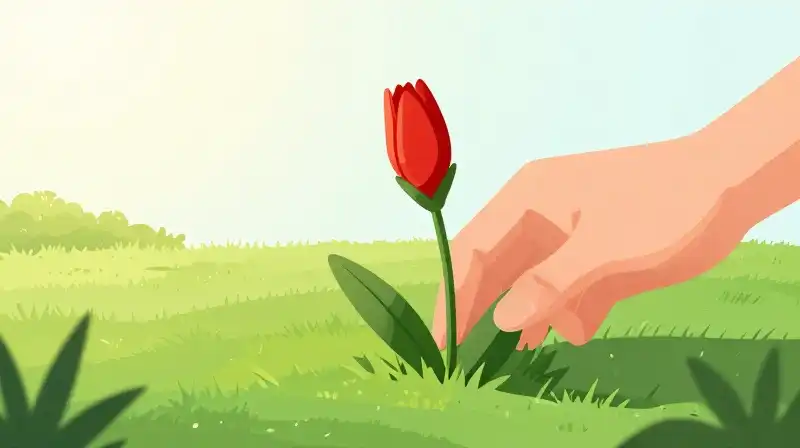 Basic planting and routine care are essential to prevent common issues and maintain the characteristic neat appearance of Pennisetum.
Initial Planting Procedures
1. Preparation: Dig a hole appropriate for the size of the grass clump. 2. Amending: Incorporate a small amount of organic matter into the hole to help the roots establish themselves. 3. Placement: Place the plant in the hole, ensuring the root ball is at the correct depth. 4. Watering: Provide ample water during the initial establishment phase. Strong, well-developed roots are the foundation of a healthy perennial plant.
Ongoing Maintenance
The most important maintenance task for Pennisetum is foliage management:
- Pruning: To maintain a neat and tight appearance, the foliage should be cut back once or twice per year. This controlled pruning helps direct the plant’s energy toward healthy growth and vibrant color.
- Deadheading: Leaving the fuzzy blooms intact after the growing season encourages the plant to naturally re-seed, ensuring a natural continuation of its lifecycle.
Clarifying Common Questions About Growth and Use
 Some of the most common concerns regarding ornamental grass center on its suitability for a landscape and whether it poses a risk.
Are there any red grasses?
Yes, numerous varieties of ornamental grass exhibit red, burgundy, or bronze hues. The specific red Head Fountain Grass (*Pennisetum*) is renowned for its distinct rusty red plume coloration. Selecting the correct species for your climate is the first step in a successful red grass landscape.
Is Red Head Fountain Grass invasive?
While *Pennisetum* is resilient, it is important to plant it in an area where it can be managed. Because it spreads readily, careful planning and periodic maintenance (like the recommended pruning) are key to controlling its spread and ensuring it remains ornamental rather than invasive.
Critical Factors for Successful Pennisetum Establishment
To transition from a simply planted grass to a thriving feature, focus on these critical performance markers:
The primary use for this grass is ornamental, so while it is robust, its success hinges on providing the right environment. Never try to force this grass into conditions it cannot tolerate. Because its hardiness varies by specific climate and soil composition, always cross-reference the plant’s hardiness with your local USDA zone, particularly if you are outside of the optimal Zones 9-10.
Remember that the plant requires an initial commitment to watering during its establishment. Once the root system is strong, its drought tolerance allows it to manage conditions effectively, making it a valuable choice for modern, low-maintenance landscaping. Choosing a specific, well-established red grass like Pennisetum over a generic variety ensures you are investing in reliable aesthetic performance.
Frequently Asked Questions
Are there any red grasses?
Yes, numerous varieties of ornamental grass exhibit red, burgundy, or bronze hues. The specific Red Head Fountain Grass (Pennisetum) is renowned for its distinct rusty red plume coloration.
What color is red grass?
The red ornamental grass, Pennisetum, is prized for its deep and distinct rusty red coloration of its plumes and foliage. This rich hue provides a strong visual contrast in the landscape.
How to Plant and Maintain Red Head Fountain Grass
Initial Preparation
Dig a hole appropriate for the size of the grass clump.
Soil Amending
Incorporate a small amount of organic matter into the hole to help the roots establish themselves.
Plant Placement
Place the plant in the hole, ensuring the root ball is at the correct depth.
Initial Watering
Provide ample water during the initial establishment phase.
Routine Pruning
To maintain a neat and tight appearance, the foliage should be cut back once or twice per year.
Deadheading
Leave the fuzzy blooms intact after the growing season encourages the plant to naturally re-seed.
Related Articles