Growing Columnea: Essential Care, Sunlight, and Potting Tips

Introduction
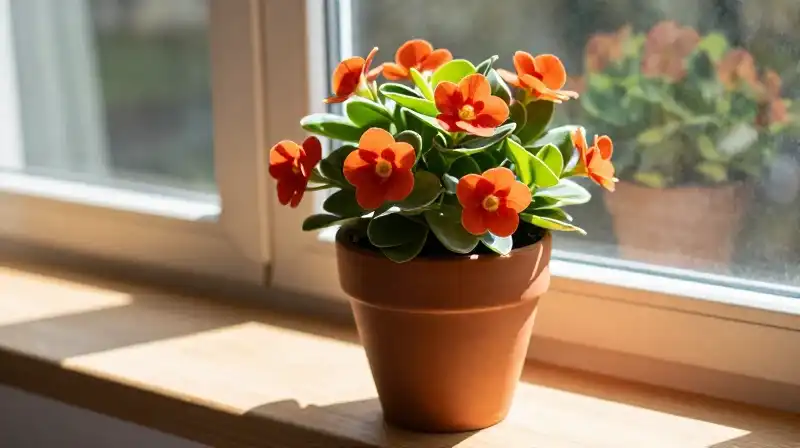
Columnea is a genus comprising numerous small, delicate epiphytic herbs and shrubs, endemic to the tropical regions of the Americas and the Caribbean. Renowned for its large, often vibrant tubular flowers—which can range from brilliant reds and yellows to striking oranges and sometimes mimic the shape of fish—Columnea brings a unique burst of exotic color to indoor environments. To successfully cultivate these plants, understanding their requirements as tropical epiphytes is essential. This guide details the specific light, water, and growing conditions necessary to ensure your Columnea flourishes, addresses common cultivation questions, and provides practical advice for maintaining these unique flowering plants.
Sunlight and Optimal Placement
 Columnea thrives in conditions that mimic their native tropical habitats, meaning they require significant bright light. While they do not always demand direct, scorching sun, placement in a location that receives bright, filtered light is highly beneficial for encouraging healthy foliage and consistent blooming. To achieve ideal Columnea plant care, consider the following placement considerations:
- Light Intensity: Ensure the plant receives bright, indirect light. Too little light will result in leggy growth and poor flowering, while harsh, direct midday sun can scorch the delicate leaves.
- Air Circulation: Since Columnea are epiphytes, they require excellent air circulation. Stagnant air can encourage fungal issues and rot. Placing them near an open window or utilizing a small fan can help maintain healthy airflow.
Soil, Watering, and Epiphytic Needs
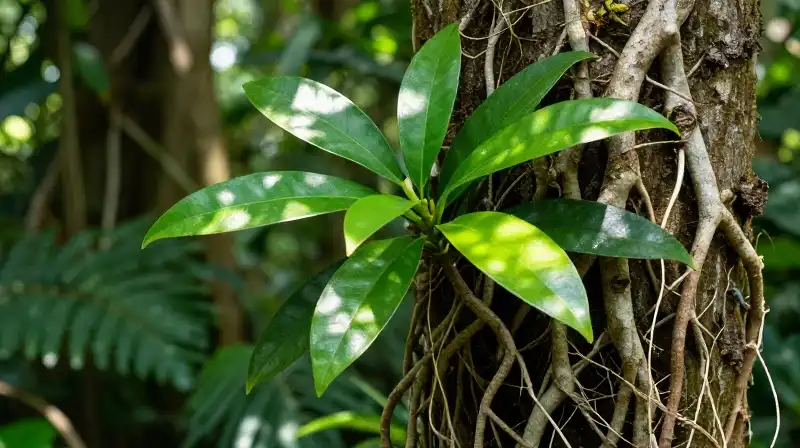 As an epiphytic plant, Columnea does not typically benefit from the dense moisture retention of traditional potting soil. Their roots are adapted to growing on external supports, making proper drainage the single most critical factor in their survival. For effective growth, adhere to these maintenance guidelines:
- Growing Medium: Use a very well-drained, airy medium. A mix incorporating components like bark, perlite, and a coarse peat or moss is ideal, allowing water to move freely through the substrate.
- The Watering Rule: It is vital to water thoroughly, but only when the growing medium has slightly dried out between waterings. Overwatering is a primary cause of plant distress and root rot in Columnea.
- Handling Underpotting: Columnea varieties are known for their tolerance to being underpotted. In many cases, this can be beneficial as it keeps the root system focused and the plant encourages more vigorous growth and flowering.
Understanding Varieties and Temperature Nuances
 The diverse genus Columnea includes species such as *Columnea crassifolia* and *Columnea microphylla*, each with slight variations in hardiness and visual appeal. When selecting a variety, consider its intended growing environment. Specific care nuances include:
- Altitude Variation: Many species originate from high-altitude tropical regions. If you are growing these types indoors, providing cooler temperatures during the non-summer months can better mimic their natural climate and support successful growth.
- Flowering Cycles: While many Columnea species are seasonal bloomers, certain hybrids are bred for more continuous flowering, which is a desirable trait for gardeners wishing to maintain consistent color.
- Propagating and Selection: For those interested in Columnea propagation, research specific varieties available for sale, as hybrid success often depends on starting materials suited to your local climate.
Common Questions About Columnea Care
Addressing frequently asked questions helps clarify the boundaries of Columnea cultivation.
Are Columnea plants toxic to cats?
General safety protocols dictate that, like many houseplants, Columnea should be treated with caution. While specific toxicity data on all species may vary, it is always safest to ensure that pets do not ingest any parts of the plant. If you have pets, observe them closely to prevent any accidental consumption.
What is the common name for Columnea?
Columnea does not have one universally accepted common name, as its identification is primarily rooted in its scientific classification (Gesneriaceae). It is generally recognized by its descriptive characteristics, such as “Tropical Fish-Flower” or by its specific genus name, Columnea.
Troubleshooting and Shipping Quality
 Even when sourcing Columnea for sale, there are occasional risks related to transit. If a shipment arrives with signs of distress, such as brittle or brown leaves, the issue is most likely dehydration or dry soil during shipping. Should you encounter damaged merchandise, remember that effective customer service protocols prioritize the plant’s health. A reputable vendor should offer a clear resolution, such as a full refund or a healthy replacement plant. When receiving a replacement, confirm that the item is damp, healthy, and showing vigorous signs of growth before establishing its permanent home.
Final Cultivation Checklist
 To ensure your Columnea thrives, prioritize the environment over generic watering schedules. Success relies on balancing high light levels with meticulous air circulation and a strictly well-drained substrate. By maintaining bright, filtered light and allowing the soil to dry slightly between waterings, you create the ideal microclimate for these magnificent, exotic blooms.
Explore more: Celtic Symbols for Brotherhood: Meanings and Interpretations
Frequently Asked Questions
Are Columnea plants toxic to cats?
Columnea should be treated with caution, as specific toxicity data for all species may vary. It is safest to ensure that pets do not ingest any parts of the plant and to observe them closely to prevent accidental consumption.
What is the common name for Columnea?
Columnea does not have a universally accepted common name, as it is primarily identified by its scientific classification. It is generally recognized by its descriptive characteristics, such as Tropical Fish-Flower, or by its specific genus name.
Does Columnea need direct sunlight?
Columnea requires significant bright light, but it does not always demand direct, scorching sun. Bright, filtered light is highly beneficial, as harsh, direct midday sun can scorch the plants delicate leaves.
How to Cultivate Columnea Successfully
Ensure Proper Lighting and Placement
Place Columnea where it receives bright, filtered, indirect light. Avoid harsh, direct midday sun and ensure good air circulation to prevent fungal issues.
Select an Appropriate Growing Medium
Use a very well-drained, airy substrate, such as a mix of bark, perlite, and coarse peat or moss.
Water Correctly
Water thoroughly, but only when the growing medium has slightly dried out between waterings. Avoid overwatering to prevent root rot.
Consider Temperature and Environment
If growing indoors, provide cooler temperatures during non-summer months to mimic high-altitude tropical climates.
Manage Root System (Optional)
Understand that Columnea tolerates being underpotted, which can encourage more vigorous growth and flowering.
Related Articles