Florida Grass Selection: Key Criteria for a Perfect Lawn

Introduction
Selecting the appropriate lawngrass for a Florida landscape is rarely about choosing the “most beautiful” option; it is fundamentally a process of matching a specific plant to a specific set of environmental demands. A successful lawn requires a balance between aesthetic goals and practical, ecological realities. In the diverse and challenging climate of Florida, where heat, humidity, and variable soil conditions are constant factors, merely picking a popular Florida grass type can lead to frustration. The decision must be grounded in three interdependent criteria: your soil quality, the maintenance you are willing to commit to, and your functional need for the lawn (e.g., high-traffic areas, erosion control, or purely ornamental display).
Evaluating Environmental Readiness: Climate and Soil
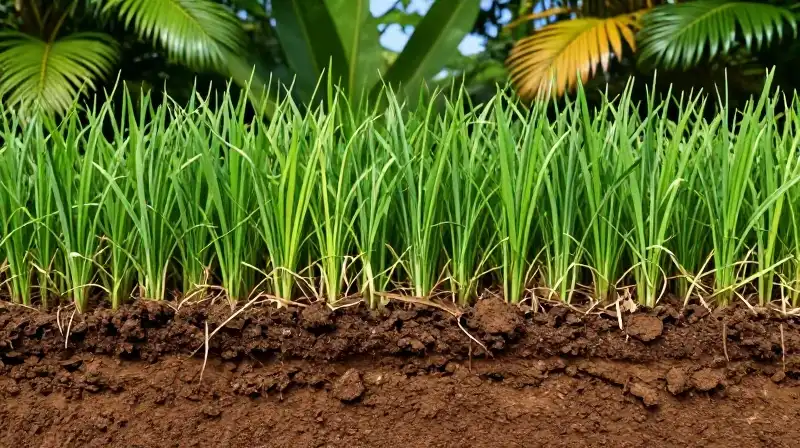 Before looking at specific seeds or sod, you must understand the foundational limits of your planting area. Most common Florida grasses have strict requirements regarding sunlight and soil structure, factors that dictate whether a plant will thrive or merely survive.
Understanding Sunlight Requirements
Most warm-season grasses, particularly popular choices like St. Augustine and Zoysia, require a significant amount of direct sunlight. These plants are often found in areas of full sun. If your yard is shaded, even partially, you must pivot toward more shade-tolerant native Florida grass options, which often offer different growth patterns and ecological benefits.
Soil Health and Drainage
Florida’s sandy soils are a critical consideration. Many turf grasses, while they tolerate sandy conditions, perform best when the soil is amended to improve organic matter and nutrient retention. Proper drainage is essential; standing water can rapidly lead to root rot in Florida’s humid environment. The ability of the chosen species to handle your specific pH levels and drainage capacity should be your starting point for any Florida grass identification or purchase.
Matching Grass to Use: Aesthetics vs. Function
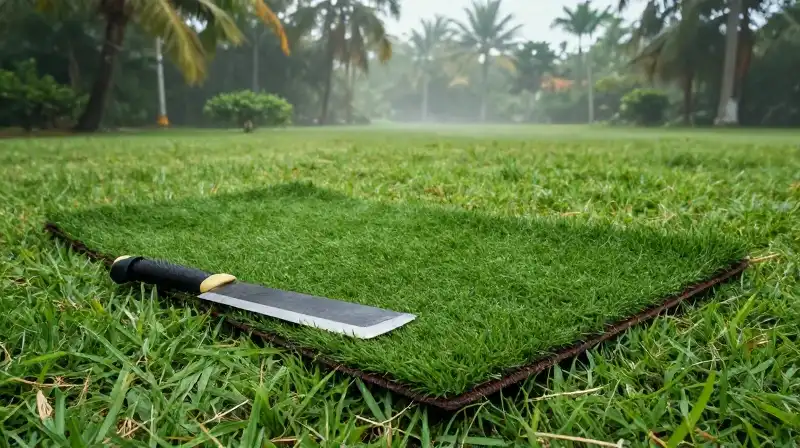 Different grass types serve different purposes in a landscape. A high-traffic area demands durability, while a border might prioritize color or fine texture. Understanding the use case narrows the field of potential species.
High-Traffic Areas and Erosion Control
If your lawn will be heavily utilized, or if the landscape is prone to runoff and erosion, you need a variety that exhibits superior “stress tolerance.” Species such as Bahia grass or certain cultivars of Zoysia are often chosen for their resilient root systems and ability to handle foot traffic or heavy machinery. These grasses provide reliable functional benefits, ensuring the landscape remains stable.
Aesthetic and Ornamental Focus If the primary goal is a decorative display, ornamental varieties of St. Augustine or Centipedegrass are excellent choices. These grasses offer unique leaf shapes and colors. However, when prioritizing looks, you must be mindful of the maintenance demands, as some lush appearances require intensive irrigation and fertilization to maintain.
Key Florida Grass Species and Their Suitability
Since there is no single “best” grass for Florida—as the environment varies from coastal swamps to arid inland areas—here is a practical comparison of some of the most common Florida grass types and when they are most appropriate:
| Grass Species | Best For | Key Characteristics | Maintenance Level |
|---|---|---|---|
| Zoysia Grass | High-end residential lawns | Dense, soft texture, excellent drought and foot traffic tolerance. | Moderate (Requires regular mowing and aeration) |
| St. Augustine Grass | Shade or warm areas | Highly heat-tolerant, large, fleshy leaves, handles poor soil. | Moderate to High (Sensitive to excessive stress; requires irrigation) |
| Bahia Grass | Tropical, durable, high-traffic areas | Highly competitive, aggressive growth, extremely tough in heat. | Low to Moderate (Tolerates drier conditions well) |
| Centipedegrass | Groundcover, low-maintenance | Native, slow-growing, deer resistant, perennial. | Low (Ideal for natural landscapes) |
The Practical Commitment: Maintenance Reality
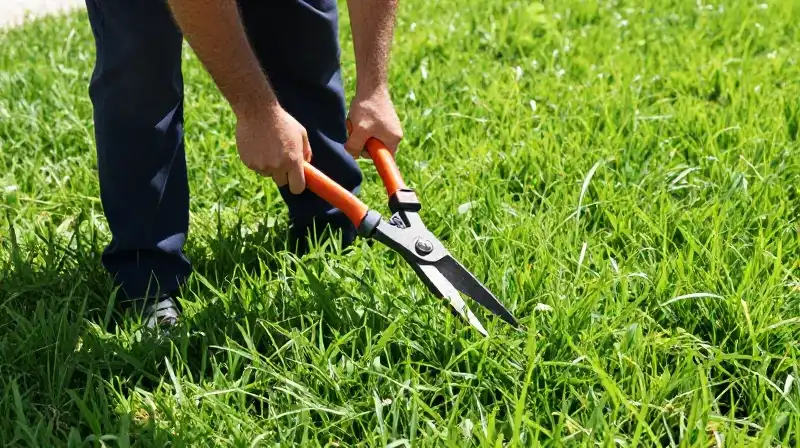 Choosing a grass type is only half the process; the other half is committing to the necessary upkeep. Florida’s climate demands specific, often rigorous, maintenance.
Irrigation and Nutrient Needs
While some grass types (like Centipedegrass) are naturally robust, high-performance Florida grasses—such as those used for golf course quality—require a consistent moisture schedule and regular nutrient applications. Failing to match the required irrigation to the chosen grass species is one of the most common causes of early lawn failure.
Pest and Disease Management
Florida is susceptible to unique pests, fungus, and bacteria. A grass that might be easy to manage in temperate climates can be highly sensitive to specific fungal diseases in Florida’s humid environment. Selecting a grass type that aligns with local extension office recommendations can significantly mitigate these risks.
Synthesis: The Decision-Making Flow
To achieve a perfect lawn, approach the selection process linearly. Do not begin by simply reading a list of Florida grass types. Instead, follow this order: 1. **Audit Your Environment:** Map your sun exposure, identify soil composition (sand, clay, organic), and determine average drainage. 2. **Define Your Goal:** Is the lawn for recreation, erosion control, or pure aesthetic value? 3. **Evaluate Your Resources:** How much time and water are you prepared to invest monthly? 4. **Match and Select:** Only after these steps are defined should you select a species like Zoysia (if you have plenty of sun, good maintenance commitment, and want dense texture) or Bahia (if you need extreme drought tolerance and high durability). By treating lawngrass selection as a biological match—not a shopping trip—you ensure the final landscape enhances your property’s appeal and value without becoming an intractable maintenance burden.
Frequently Asked Questions
What grass does best in Florida?
The article states that there is no single best grass for Florida because the environment varies, and the ideal choice is fundamentally a process of matching a specific plant to specific environmental demands. This decision must be grounded in your soil quality, maintenance commitment, and functional needs for the lawn.
How to Select Lawngrass for a Florida Landscape
Audit Your Environment
Map your sun exposure, identify soil composition (sand, clay, organic), and determine average drainage.
Define Your Goal
Determine the primary function of the lawn, such as recreation, erosion control, or pure aesthetic value.
Evaluate Your Resources
Assess how much time, water, and effort you are prepared to invest in the lawn's monthly upkeep.
Match and Select Species
Only after defining your environmental conditions and goals, select a suitable grass species, such as Zoysia or Bahia, that aligns with your requirements.
Related Articles