Admiration Barberry: Growing and Using This Striking Compact Shrub

Introduction
Berberis thunbergii ‘Admiration’ stands out as a versatile and visually arresting shrub designed for the modern gardener. Characterized by its compact habit and dramatic color palette, this variety is intended to bring dynamic contrast to landscape designs that typically favor more subdued greenery. If you are seeking a shrub that combines low maintenance with significant aesthetic impact, the ‘Admiration’ cultivar meets these requirements, offering a rich, structured look that evolves throughout the seasons.
The appeal of this specific variety lies in its unique combination of bold foliage and functional utility. It serves not only as a striking ornamental feature but also as a resilient, drought-tolerant ground cover or border shrub that requires minimal intensive care. Understanding the specific needs and features of this shrub will help you successfully integrate it into your garden design.
Design and Visual Appeal
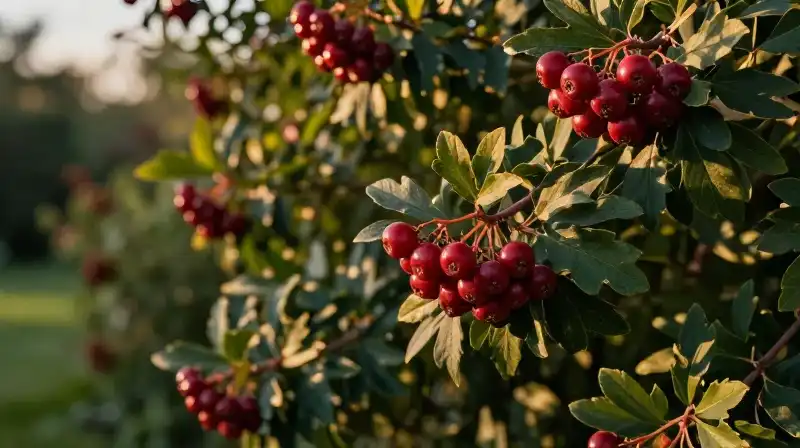
Admiration Barberry provides exceptional visual interest through its color transition and texture. The defining feature of this shrub is its rich, deep burgundy foliage, which is beautifully highlighted by a delicate golden or yellowish edge. This contrast makes the shrub immediately eye-catching and prevents the color from becoming monotonous.
A secondary, equally effective design aspect is its seasonal change. Unlike shrubs that lose structure in colder months, the ‘Admiration’ variety exposes vibrant red stems during the winter. This provides critical structural color and visual interest during the dormant period when other landscape elements may look muted. Its compact nature, typically reaching around two feet in both height and width, makes it ideal for tight spaces, foundation plantings, or as a structured low hedge.
Environmental Requirements and Size
To reach its full potential, the Admiration Barberry has clear requirements regarding its placement and light exposure. It is a plant that thrives in full sun, which encourages the development of its vibrant burgundy color and maintains its compact, dense form.
The shrub is categorized as highly resilient and low-maintenance, but like all shrubs, it benefits from the right environment. Its tolerance for drought makes it suitable for areas where water conservation is a priority. While it is robust, ensuring it receives consistent sunlight and appropriate drainage will maximize its health.
Key dimensional specifications to consider before purchasing include:
- Max Height and Width: Approximately two feet.
- Light Needs: Full Sun.
- Maintenance Level: Low to moderate; pest and disease resistant.
- Dormancy Interest: Red stems provide color in winter.
Functional Uses in the Landscape
Beyond its ornamental value, the ‘Admiration’ barberry offers practical benefits that contribute to a more functional landscape. Its dense, compact growth makes it excellent for utility planting:
- Landscape Borders and Edging: Use its low, defined shape to create crisp borders along paths or walkways.
- Low Hedges: Its resilience allows it to form effective, semi-permanent low hedges without excessive maintenance.
- Wildlife Deterrent: The shrub’s dense structure is effective at deterring small animals, particularly deer and rabbits, making it an excellent choice for garden protection.
When planning a composition, the barberry pairs exceptionally well with certain evergreens, offering a rich color contrast. Pairing it with foliage like Distylium or Gold Mop cypress can create a sophisticated, textured garden scheme.
Addressing Common Grower Concerns
Gardeners often have specific questions regarding the characteristics and suitability of certain varieties. Here is a breakdown of how Admiration Barberry addresses common concerns:
Does it have thorns?
The Admiration Barberry typically does not possess prominent or dangerous thorns. While some members of the Berberis genus are highly spiny, this particular cultivar is generally cultivated for its visual appeal and manageable structure.
Is it invasive?
Admiration Barberry is not known to be considered an invasive species in typical landscaping scenarios, provided it is kept contained and pruned. It maintains a compact size, which limits its lateral spread.
Is it an evergreen?
While it retains its structure through winter thanks to its colored stems, the foliage itself can undergo seasonal color changes, though it generally holds its form year-round.
Purchasing and Warranty Protections
When purchasing Admiration Barberry (Lichtenfelt’s product), the vendor provides specific assurances regarding the health and viability of the plant. The material is guaranteed to be healthy and free of pests at the time of purchase. Furthermore, a specific warranty is offered to protect the buyer against initial plant failure.
Warranty Details:
If the shrub fails within a twelve-month period, the customer is entitled to a 50% store credit. To initiate a warranty claim, the buyer must return the affected plant along with the original purchase receipt. This return allows the grower’s experts to troubleshoot the issue and provide guidance for future success.
Important Limitations and Exclusions:
The provided warranty is specifically for Admiration Barberry. It does not cover other types of plantings, including herbaceous perennials, tropical plants, or annual selections. The warranty applies to the purchase of the shrub itself, and the company emphasizes that plant success is a shared responsibility between the grower and the owner.
Practical Synthesis for Garden Implementation
To maximize the impact and longevity of your Admiration Barberry, a clear strategy is necessary. Do not view this shrub simply as a plant; view it as a structural element designed to offer dramatic color from spring through winter. Its low-maintenance reputation is earned by its pest resistance and drought tolerance, but success hinges on initial placement.
The critical first decision is placement: ensure the site receives full sun. After this, use its compact two-foot profile to design a border that requires minimal pruning while providing maximum color contrast with complementary evergreens. By understanding that the warranty facilitates collaborative troubleshooting rather than guaranteeing zero failure, you can approach planting with confidence, knowing that expert support is available if challenges arise early in the plant’s life.
How to Implement Admiration Barberry in Your Garden
Determine Placement
Identify a site for the shrub and ensure that the location receives consistent full sun.
Design Border Elements
Utilize the shrub's compact, two-foot profile to create a border or low hedge design that minimizes pruning requirements.
Enhance Visual Contrast
To maximize the shrub's impact and longevity, pair it with complementary evergreens to achieve sophisticated color contrast.
Related Articles