Ilex Glabra Shamrock: Care, Growth, and Practical Growing Guide

Introduction
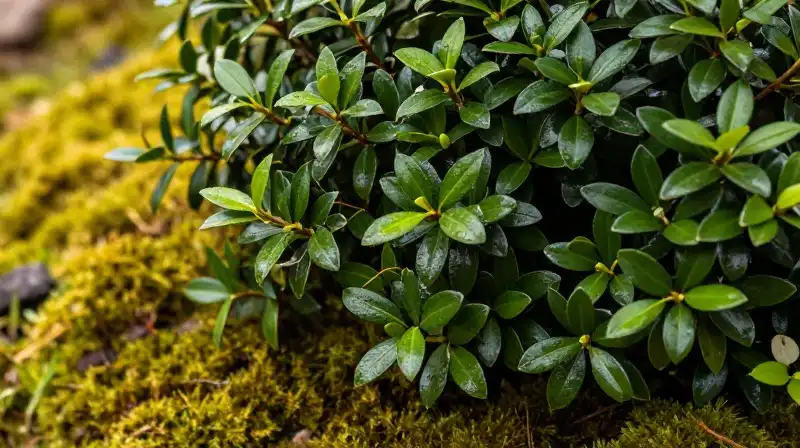
Ilex glabra ‘Shamrock’ is a distinct cultivar of inkberry, celebrated for its compact size and upright, dense growth. Unlike the wild species, *Ilex glabra* can exhibit aggressive root suckering; the ‘Shamrock’ variety was specifically bred to possess a reduced tendency toward this habit, making it highly suitable for smaller residential landscapes and ornamental hedging where strict size control is needed. This evergreen shrub, belonging to the holly family, offers the decorative benefits of glossy, dark green foliage year-round while maintaining a controlled, rounded shape that rarely exceeds four feet in height. It serves as an excellent, low-maintenance choice for those seeking the elegance of a holly shrub without the sprawling maintenance requirements of its more aggressive cousins.
Physical Characteristics and Growth Habit
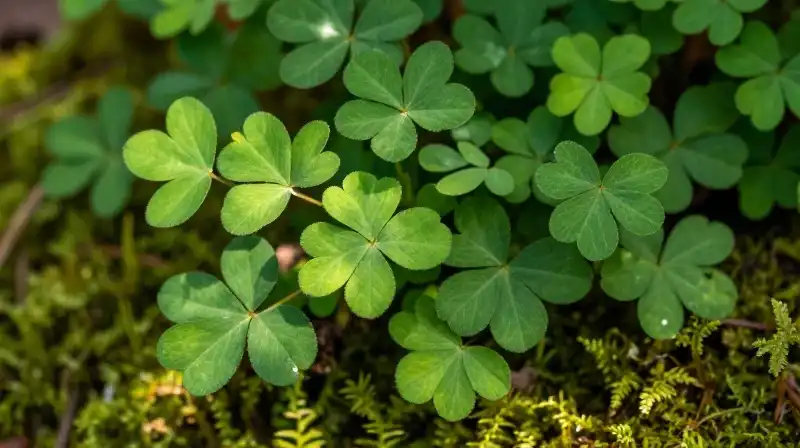
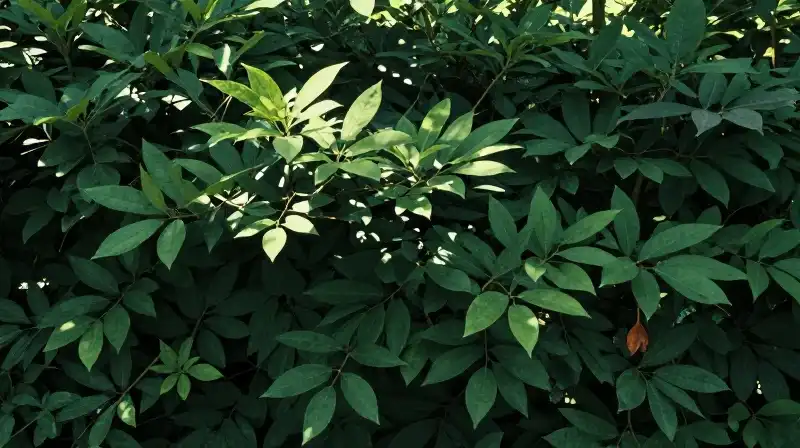
As a broadleaf evergreen, the defining feature of ‘Shamrock’ is its consistent visual appeal. The foliage is dark green and has a high-gloss finish, providing deep color saturation from spring until the first hard freeze. The growth rate is characterized as slow, which is a significant advantage when planning where to place the plant, as it will not expand rapidly into neighboring garden beds or walkways.
Understanding ‘Shamrock’ Size and Spacing
The “Shamrock” designation speaks directly to its controlled dimensions. Typically, it reaches a height of 3 to 4 feet. Because it maintains a dense, compact form, proper spacing is vital to ensure optimal light penetration and air circulation. While it does not need excessive space, allowing enough distance between individual plants will help minimize the chance of foliage crowding, which can lead to reduced vigor or the onset of fungal issues.
Optimal Environment and Soil Requirements
Ilex glabra ‘Shamrock’ is a resilient plant but requires specific environmental conditions to thrive and maintain its compact form. The shrub performs well across various soil types, but its preferences offer guidance for optimal performance.
- Sun Exposure: The plant tolerates both full sun and partial shade. In full sun, the foliage will be richer and the compact form will be easier to maintain.
- Moisture and Soil: It is highly tolerant of average to wet soils, thriving in rich, consistently moist, and acidic soil conditions. While it can endure heavy or light soil, consistent moisture is key to supporting its health.
- Hardiness: This cultivar generally performs well in temperate climates but, like most evergreens, it requires protection during extreme, prolonged freezing events.
Cultivar Management: Pruning and Suckering Control
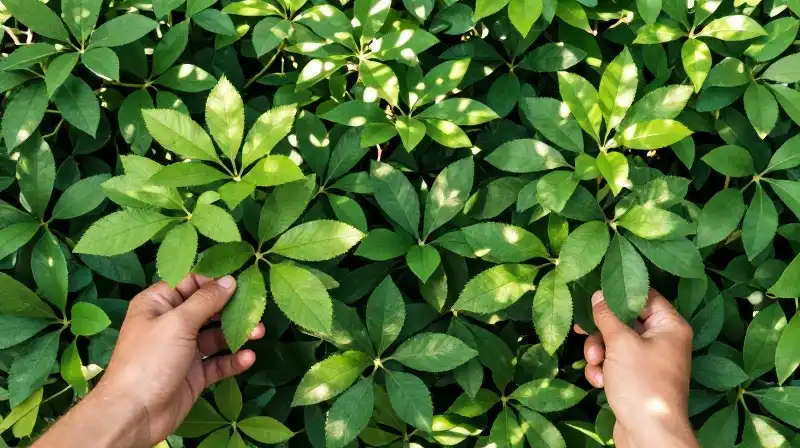
Successful long-term growth of a manicured ‘Shamrock’ depends on two primary forms of maintenance: pruning and the active management of root suckers.
Maintaining Shape through Pruning
To preserve the desired upright, rounded habit and keep the plant within its 3-4 foot size limit, pruning should be performed early in the spring. The ideal timing is just before new growth begins. This preventive pruning shapes the plant, encourages denser foliage, and helps maintain the plant’s compact, ornamental profile rather than allowing it to spread naturally.
Preventing Aggressive Colonization
Although ‘Shamrock’ has a reduced tendency toward suckering compared to the species, it is still important to monitor the base. Root suckers can appear at the base of the shrub, especially if the plant is under stress or improperly maintained. To prevent the plant from forming uncontrolled, large colonies, any emerging suckers should be proactively removed.
Addressing Specific Concerns Regarding ‘Shamrock’
Specific user queries often arise concerning the plant’s winter appearance, health risks, and reproductive cycle.
Can Ilex glabra ‘Shamrock’ be Seen in Winter?
Yes, ‘Shamrock’ remains a highly ornamental shrub in winter. Since it is a broadleaf evergreen, its glossy, dark green leaves retain their color and structure throughout the winter months. This sustained foliage provides essential color and texture in landscapes during the cooler, darker months. While it does drop leaves during severe droughts or intense weather stress, its core appearance remains vibrant.
Is Shamrock Inkberry Toxic to Dogs?
Yes. Ilex glabra, like many varieties in the holly family, contains compounds that are considered toxic to dogs when ingested. If a dog chews on the plant, it is important to keep it away from the shrub. In case of ingestion, contact a veterinarian or the ASPCA immediately.
The Process of Fruit Production
It is important to note that ‘Shamrock’ is dioecious, meaning there are separate male and female plants. Successful production of its jet black, pea-sized inkberry drupes requires pollination. The female plants typically produce these berries, which mature in the early fall, providing a seasonal burst of dark color.
Growing ‘Shamrock’: A Practical Guide for Controlled Landscaping
Selecting Ilex glabra ‘Shamrock’ is ideal for gardeners who want the appearance of a traditional holly but require the discipline of a modern, compact shrub. By integrating the maintenance practices of consistent moisture management and early-spring pruning, you can ensure the plant maintains its ideal, controlled state. Prioritize the following steps to guarantee the shrub performs as expected in your landscape:
- Check Sunlight: Confirm the location provides at least partial sun or full sun for maximum leaf density.
- Establish Drainage: While moisture is preferred, ensure the location doesn’t retain stagnant water, preventing root rot.
- Schedule Pruning: Commit to a biannual inspection and pruning in early spring to maintain the size and habit.
- Monitor the Base: Periodically inspect the root zone and remove any vigorous root suckers immediately.
The result is a reliable, manageable, and decorative shrub—the ideal solution for contained landscapes.
Frequently Asked Questions
Is inkberry holly Shamrock in winter?
Yes, Shamrock remains a highly ornamental shrub throughout the winter. As a broadleaf evergreen, its glossy, dark green leaves retain their color and structure during the cooler months.
Is Shamrock inkberry toxic to dogs?
Yes, Ilex glabra Shamrock is toxic to dogs when ingested, as it contains compounds common to the holly family. If a dog chews on the plant, keep it away from the shrub and contact a veterinarian or the ASPCA immediately.
Growing Ilex glabra 'Shamrock'
Check Sunlight
Confirm the location provides at least partial sun or full sun for maximum leaf density.
Establish Drainage
Ensure the location doesn't retain stagnant water, preventing root rot, even though moisture is preferred.
Schedule Pruning
Commit to a biannual inspection and pruning in early spring to maintain the size and habit.
Monitor the Base
Periodically inspect the root zone and remove any vigorous root suckers immediately.
Related Articles