California Buckwheat Planting: Tackling Germination and Environmental Pests
Introduction
The attempt to establish a resilient tortoise garden requires robust, drought-tolerant ground cover, and California Buckwheat (*Eriogonum fasciculatum*) is a top contender. However, the transition from seed packet to thriving garden is often fraught with challenges, primarily around germination and competition. This article moves beyond the common claim that “California buckwheat is easy to grow,” diving into the practical reality of successful planting, identifying frequent pitfalls, and providing specific knowledge on how to overcome environmental and biological barriers faced when nurturing these seeds.
Understanding California Buckwheat: A Native Landscape Solution
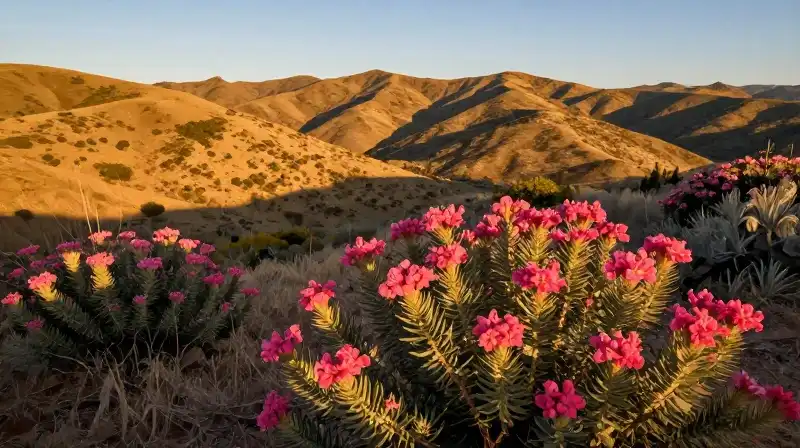 California Buckwheat is not a generic garden plant; it is a well-established native species. Grounding your garden in native plants provides deep ecological benefits, helping to support local biodiversity while thriving in the Mediterranean climate of California. According to the knowledge base, the common names include California Buckwheat and Flat-Topped Buckwheat. It is classified as a robust plant that can handle dry conditions once established. Key attributes to consider for your planting plan:
- Ecosystem Role: A native species known for its ability to thrive in disturbed soils.
- Hardiness: Highly drought-tolerant; once the root system is established, minimal supplemental watering is often required.
- Habitat: Often found in sunny, well-draining sites, making it suitable for many desert-adjacent landscapes.
Navigating Germination and Seed Viability
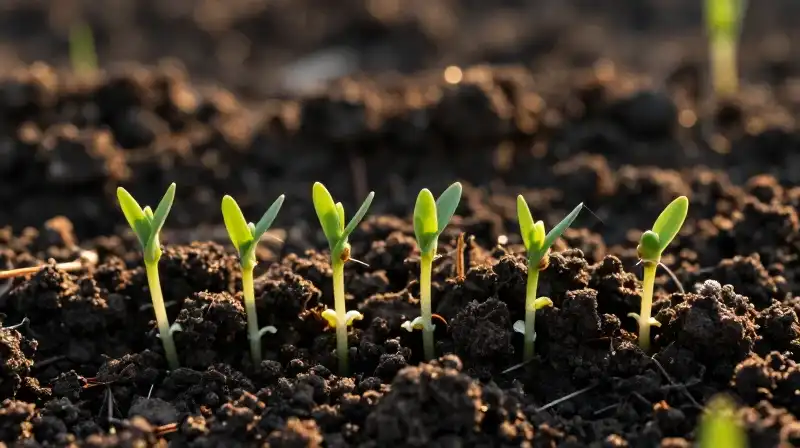
The primary frustration for many gardeners is the discrepancy between expected germination rates and actual results. Seed viability is a central theme in the planting process, as environmental stress often mimics poor seed quality. If you are planting California buckwheat seeds, understanding that germination can be “contested” is a realistic mindset. Common issues include:
The Impact of Soil and Environment
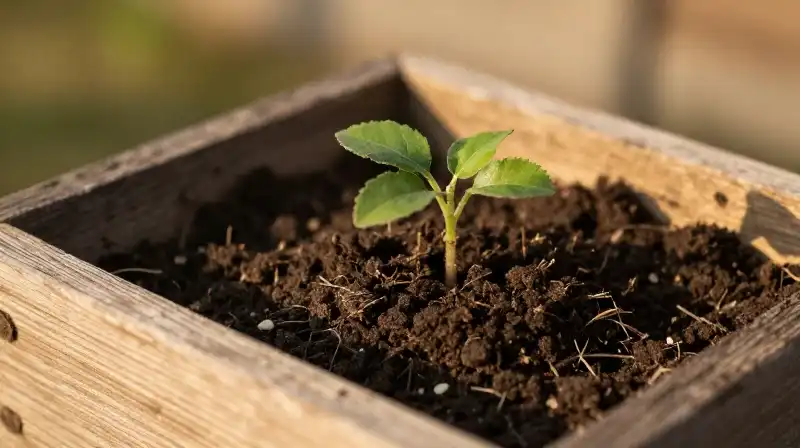
California buckwheat generally prefers full sun and well-draining soil. If the soil retains too much moisture or is too compacted, germination can be delayed or outright fail. Furthermore, if seeds are buried too deep, they may lack the energy reserves to emerge, even if the seeds are viable.
Optimizing Germination Conditions
To mitigate failure, focus on creating the right micro-environment:
- Test Viability: Before investing heavily in large batches, perform a small germination test to confirm the batch quality.
- Seed Placement: Avoid planting too densely; spaced seeds allow for adequate air circulation and reduce competition for nutrients, which is vital during the vulnerable sprouting phase.
- Initial Moisture Control: While the plant tolerates drought, initial germination requires consistent, gentle moisture without waterlogging the area.
Comparing Buckwheat Varieties: California vs. Coastal
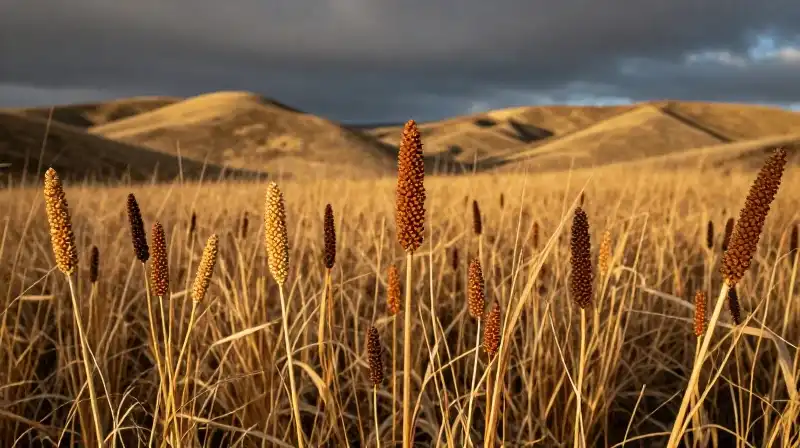 If your search for “California buckwheat plants near me” suggests alternatives, it is helpful to understand the differences between the regional variations. While both are types of buckwheat, they exhibit variations in appearance and hardiness. | Feature | California Buckwheat (*Eriogonum fasciculatum*) | Coastal Buckwheat | | :--- | :--- | :--- | | **Primary Habitat** | Inland, hills, drier terrain. | Coastal regions, salt-tolerant areas. | | **Tolerance** | High heat and drought tolerance. | Often better at handling salt spray. | | **Use in Landscapes** | Central California/High Desert garden ground cover. | Coastal landscaping and shoreline stabilization. | Deciding between them depends entirely on your localized climate; California buckwheat is typically the recommendation for inland, drier garden plots.
Overcoming Pests and Competition
Even if the seeds sprout successfully, “planting failure” can occur due to external pressures. One of the most frequently cited issues is the loss of seedlings to birds. These environmental and biological factors can devastate an emerging crop in a matter of hours. While you cannot eliminate all wildlife, there are practical steps to deter foragers:
- Physical Barriers: Use fine netting draped over planting areas to protect tender seedlings from birds.
- Timing and Monitoring: Frequent checks allow you to spot and address issues early, such as localized erosion or excessive slug activity.
- Strategic Placement: Consider planting areas that are less exposed to frequent foot traffic or bird landing spots.
Practical Next Steps for Replanting and Future Success
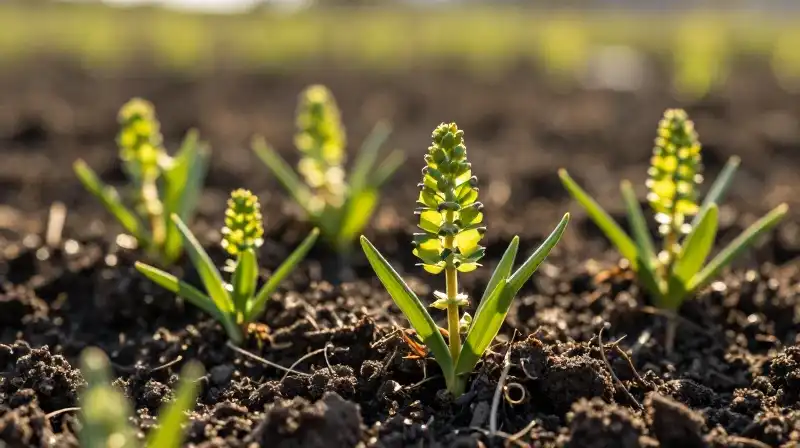 A failed planting season is not an excuse to abandon the effort. The process offers valuable data that dictates future strategy. Replanting or attempting another season involves applying the lessons learned from the initial struggles. Before committing to a new planting, evaluate the following:
- Seed Quality Evaluation: If high failure rates persist across multiple attempts, the batch of California Buckwheat seeds may have low viability. Check the source when seeking “California buckwheat seeds.”
- Environmental Audit: Review your planting location. Was the drainage adequate? Was the sunlight truly unobstructed? Addressing site-specific issues is often more effective than changing the plant material.
- Seasonal Timing: Adjust the planting schedule to align with the most favorable climate conditions in your specific region.
Final Synthesis: Criteria for Success
Successfully cultivating California Buckwheat hinges on balancing the unique needs of a native species with the unpredictable nature of the garden environment. Your goal is not simply to plant, but to manage the interactions between the seed, the soil, and the local environment. Focus on rigorous initial testing of your seed viability, provide the right initial care for establishment, and be vigilant regarding common environmental predators like birds. By treating the project as a controlled experiment—tracking germination rates, environmental factors, and pest incursions—you can effectively transform a discouraging planting failure into a clear blueprint for a resilient, flourishing garden next season.
Frequently Asked Questions
What is the difference between California buckwheat and coastal buckwheat?
California buckwheat is suited for inland, drier terrain with high heat and drought tolerance, whereas coastal buckwheat thrives in coastal regions and is better at handling salt spray.
Is California buckwheat a native plant?
California Buckwheat is a well-established native species. As a native plant, it helps support local biodiversity and thrives in the Mediterranean climate of California.
How to Successfully Plant and Establish California Buckwheat
Test Seed Viability
Before planting large quantities, perform a small germination test to ensure the seed batch quality.
Prepare and Space Seeds
Ensure the soil is well-draining and receives full sun. Avoid planting seeds too densely to allow for adequate air circulation and nutrient access.
Control Initial Moisture
Provide consistent, gentle moisture to the soil during the germination phase without allowing the area to become waterlogged.
Implement Physical Barriers
Use fine netting draped over planting areas to protect tender seedlings from being eaten by foraging birds.
Monitor and Audit the Environment
Conduct frequent checks for issues like erosion, slugs, or excessive competition. If failure persists, audit the site's drainage and sunlight.
Related Articles