
Cicada Killer Wasps: Identification and How to Get Rid of Them

Introduction
Identifying and managing cicada killer wasps is a common concern for homeowners, especially when finding evidence of subterranean activity in lawns or garden areas. These solitary wasps are not typically aggressive in swarming, but their presence indicates a specific type of environmental engineering—the construction of deep, hidden burrows by the female. Before attempting any eradication methods, precise identification is essential, as many large, stinging insects look similar. This guide focuses on clarifying the distinct features of the cicada killer, understanding how their life cycle operates, and providing practical, safe strategies for controlling their presence and preventing future infestations.
Cicada Killer Identification: Distinguishing Them from Hornets
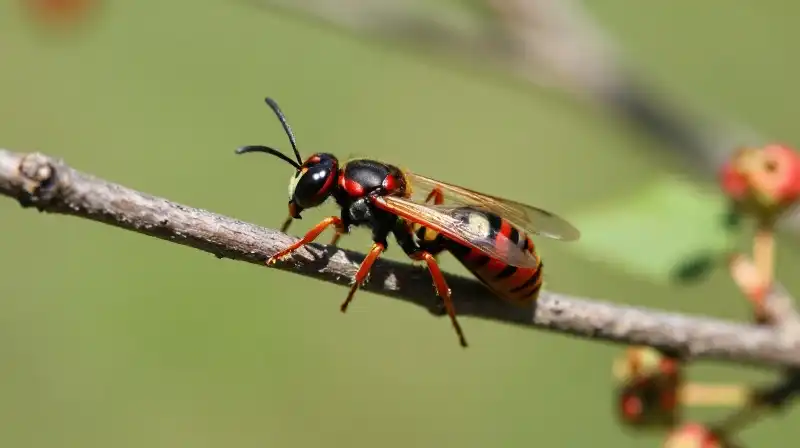
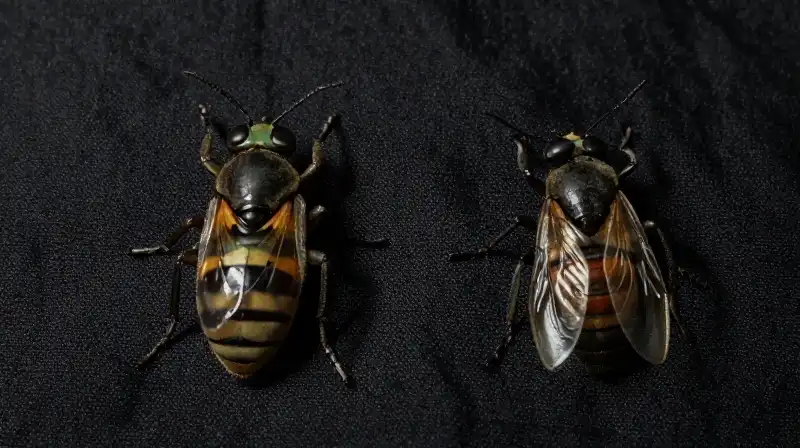
The primary confusion surrounding cicada killers is their visual similarity to aggressive social wasps like the European hornet. However, these solitary hunters possess several unique physical characteristics that set them apart, allowing for accurate identification.
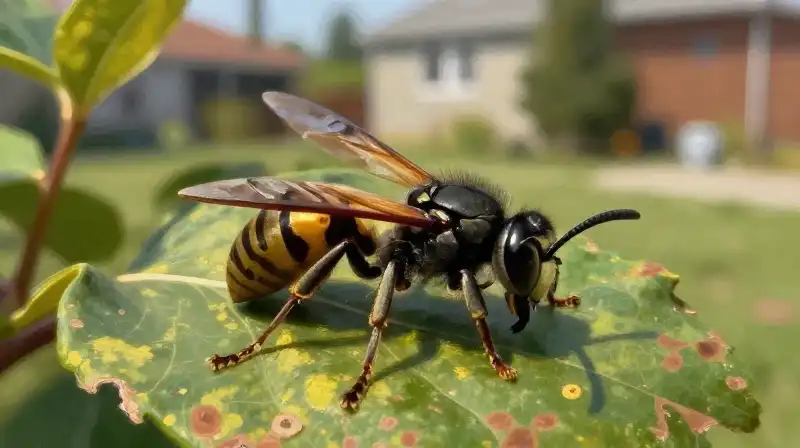
Cicada killers are robust, measuring approximately two inches in length. Key identifying features include:
- Leg Color: Their legs are distinctly pale red or orange, contrasting with the darker body.
- Abdomen Pattern: The abdomen is predominantly black, punctuated by yellow markings specifically located on three segments.
- Wings: Unlike many black and yellow wasps, cicada killers typically have shaded brown wings.
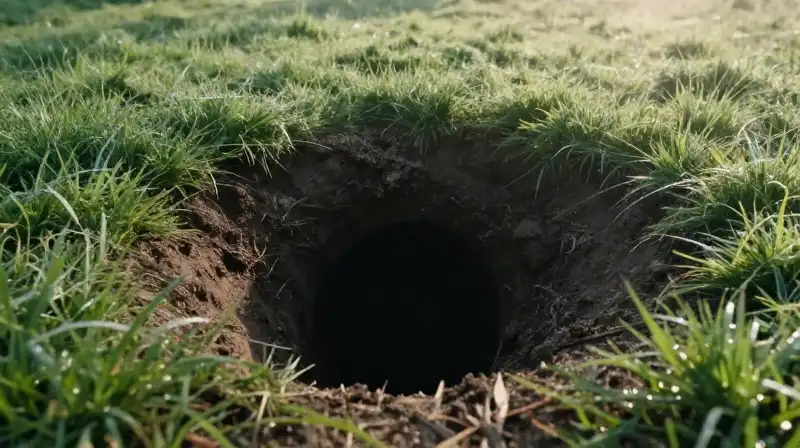
- Behavioral Clues: The presence of excavated, ‘U’-shaped soil at the entrance of a burrow is a strong indicator of recent activity by a female wasp, as they dig deep burrows (typically 12 to 15 inches deep).
The Solitary Lifestyle and Life Cycle
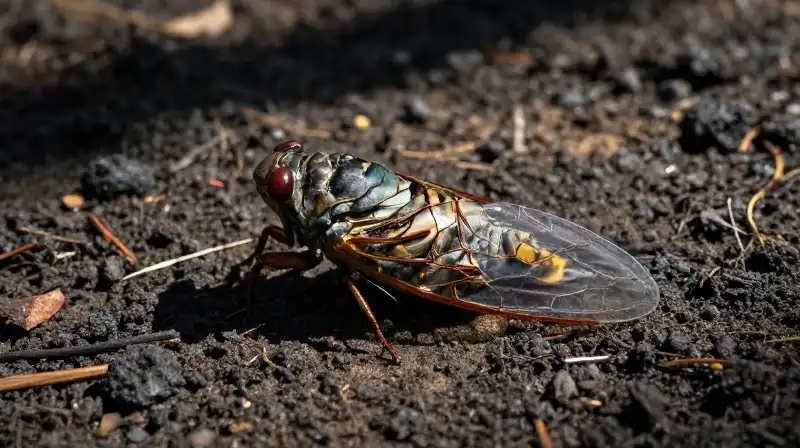
Understanding the biology of the cicada killer helps define the scope of any control efforts. These wasps do not form colonies; they are entirely solitary. A female establishes her own home, lays her eggs, and cares for them until they emerge as adults.
The life cycle proceeds as follows:
- The Hunt: The adult female actively hunts, paralyzing her prey, which is almost exclusively the cicada.
- Nesting: She seals the paralyzed cicada in a chamber within the deep underground burrow, often alongside her eggs.
- Larval Development: The newly hatched larvae feed exclusively on the paralyzed prey for a duration of one to two weeks.
- The Overwinter: The larvae overwinter within the sealed burrow.
- Adult Emergence: Larvae emerge as adults in the early or late spring.
- Adult Sustenance: Adult wasps supplement their diet, feeding on flower nectar and fermented tree sap, though their primary purpose is reproduction.
Crucially, the female generally dies once her reproductive cycle is complete, having successfully provisioned her offspring for the winter.
Strategies for Pest Management and Control
The search for “how to get rid of cicada killers” requires a focus on prevention and deterrence rather than mass extermination, given their solitary nature and deep subterranean habits. Effective control depends on managing the environment and interrupting the life cycle.
Since the female is the active agent responsible for digging the burrow and laying eggs, managing her presence is key:
Environmental Mitigation
The most practical approaches focus on making the environment less appealing for burrow construction:
- Soil Integrity: Ensure that areas of your property, especially around concrete slabs or landscaped beds, are free of loose, friable soil where wasps can easily dig. If possible, stabilizing sandy slopes or high-traffic areas can deter initial excavation.
- Habitat Management: While they prefer disturbed areas (like edges of concrete), maintaining a clean perimeter near home can sometimes reduce attractants, though their preference for these areas is largely determined by available soil and sun exposure.
Integrated Pest Management (IPM) Approach
For persistent or severe issues, non-toxic methods that disrupt the cycle or deter construction are preferred. Direct chemical eradication methods should be approached with caution, as burrow treatments often require specific, targeted timing.
If chemical intervention is deemed necessary, the following criteria apply:
- Target Timing: Treatment should ideally target the adults during the active nesting period (early spring through late summer), aiming to prevent the completion of successful egg-laying.
- Subterranean Application: Since the construction occurs deep underground, treatments must be effective in penetrating compacted soil to reach the burrow entrances or sealed chambers.
- Safety Limit: Any application must be done according to label instructions and prioritized to prevent harm to pets, local wildlife, and beneficial insects.
Prevention: Stopping Burrows Before They Begin
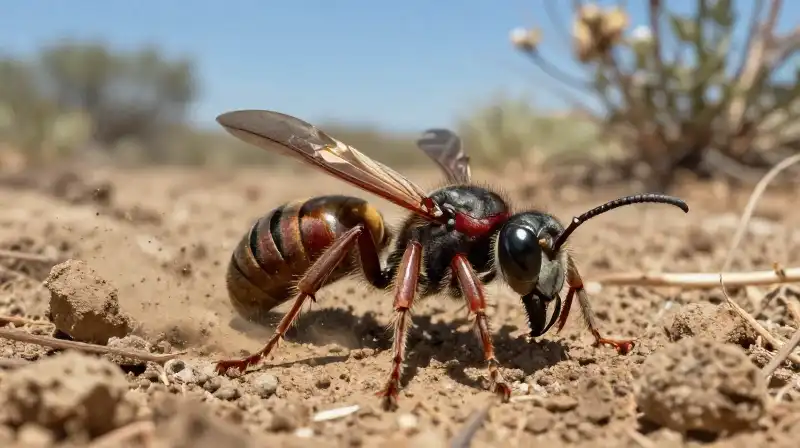
The best method to “get rid of cicada killers” is preventing the formation of the 12-to-15-inch burrows. Prevention focuses on limiting the access and usability of the soil for the female wasp.
To reduce the chances of a new burrow forming in your landscape:
- Surface Coverage: Utilizing mulch, decorative gravel, or permeable paving over areas where burrow construction is possible can deter the female wasp from accessing the necessary soil.
- Identifying Hotspots: Regular inspection for the telltale U-shaped soil excavation allows for immediate targeted prevention—such as covering the area—before the burrow is fully established and egg-laying begins.
Summary of Best Practices for Eradication
Dealing with cicada killers is a process of detailed observation and strategic prevention, rather than a simple application of broad-spectrum pesticides. Because these are solitary insects with deep, non-accessible nests, standard spraying methods are rarely effective for full removal.
To summarize the critical decision points for homeowner control:
| Observation | Action | Goal |
|---|---|---|
| U-shaped soil excavation observed. | Immediately cover the soil or deterrent application. | Prevent the female from completing the burrow. |
| Visual sighting of a large, orange-legged wasp. | Avoid unnecessary stress; observe behavior. | Confirm identification (distinguish from hornets). |
| Infestation is severe and persistent. | Consult a professional pest control service. | Implement targeted, subterranean treatment. |
Managing and Preventing Cicada Killer Wasps
Identify the Wasps
Look for robust insects, approximately two inches long, with distinctly pale red or orange legs, a black abdomen with yellow markings on three segments, and shaded brown wings to confirm identification.
Assess Environmental Susceptibility
Inspect areas of the property, such as sandy slopes or landscaped beds, to ensure they are not composed of loose, friable soil where the female wasp can easily dig.
Apply Preventative Surface Coverage
Utilize materials such as mulch, decorative gravel, or permeable paving over areas where burrow construction is possible to deter initial excavation.
Monitor for Activity
Conduct regular inspections of the ground, specifically looking for U-shaped soil excavations, which indicate the female wasp has begun digging a burrow.
Intercept Burrows
If U-shaped soil excavation is observed, immediately cover the area or apply a deterrent application to prevent the female from completing the burrow and laying eggs.
Consult a Professional Service
If the infestation is severe or persistent, seek a professional pest control service to implement targeted, subterranean treatment.
Related Articles