Lilium Martagon Growing Guide: Care, Soil Needs, and Toxicity Warnings

Introduction
The Lilium martagon, commonly known as the Martagon Lily or Turk’s Cap Lily, is a spectacular Eurasian perennial distinguished by its highly distinctive reflexed petals, giving the impression of a wide, open cap. While widely appreciated for its vibrant, spotted blooms, successfully growing this robust species requires specific environmental conditions, careful soil management, and awareness of its significant toxicity. This guide outlines the practical considerations for cultivating Lilium martagon, ensuring you maximize the plant’s aesthetic appeal while adhering to its specialized needs.
Optimal Growing Conditions for Lilium Martagon
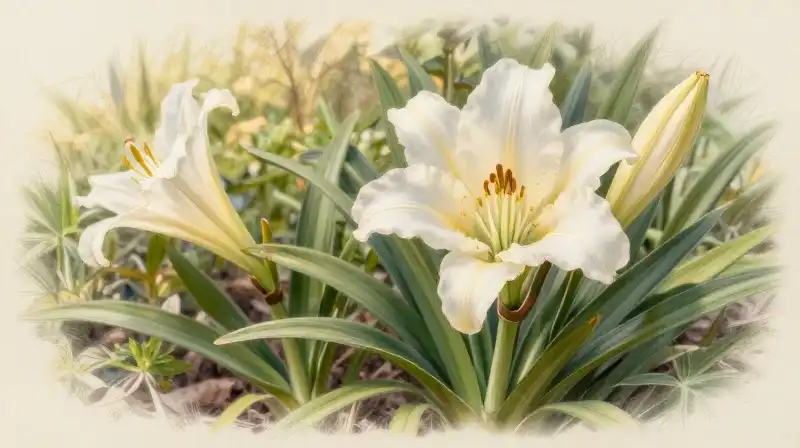
These lilies are highly adaptable regarding cold, thriving in a wide range of climates, but their growth is influenced by light and moisture availability. Understanding these preferences is key to encouraging lush growth and vigorous blooming.
Light Requirements: Lilium martagon prefers full sun, but it thrives when placed in areas offering partial shade. In particularly hot climates, shifting the plant to partial afternoon shade is recommended to prevent scorching and reduce stress.
Hardiness and Mature Size: As a hardy perennial, it is well-suited for USDA Zones 3 through 8. Mature plants typically stand between 3 and 6 feet in height, developing striking, upright stems throughout the season.
Blooming Cycle: The peak flowering period occurs from mid- to late-summer. A key insight into its development is that the optimal flowering stems are often best produced when the plant is situated in a spot with partial shade, balancing light exposure and heat protection.
Soil Composition and Maintenance Strategies
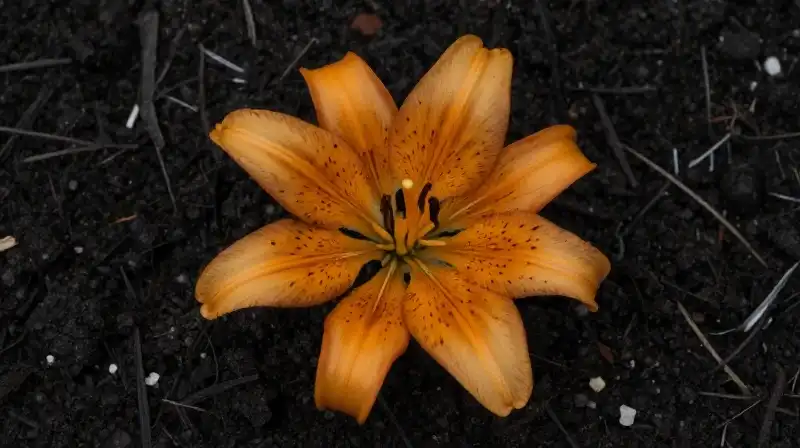
The success of Lilium martagon depends heavily on the right soil. The plant is not suited for standard heavy clay and requires a balance of drainage, moisture retention, and specific pH levels.
Ideal Soil Type: The preferred growing medium consists of moist, well-draining sandy loams with slightly alkaline tendencies. While the plant can tolerate some clay, it is vital to amend heavy soils to ensure optimal performance and root health. Lightening the soil texture is a crucial preventative measure against root rot.
Feeding and Mulching: To support its health as a long-lived plant, regular fertilization is beneficial. A yearly application of organic matter, such as well-aged leaf mold or compost, applied in the fall, is highly recommended. This practice provides slow, sustained release of nutrients as the plant overwinters.
Plant Characteristics and Pollinator Appeal
The defining features of this species are its distinctive blooms and robust growth habits, which also make it a valuable resource for local wildlife.
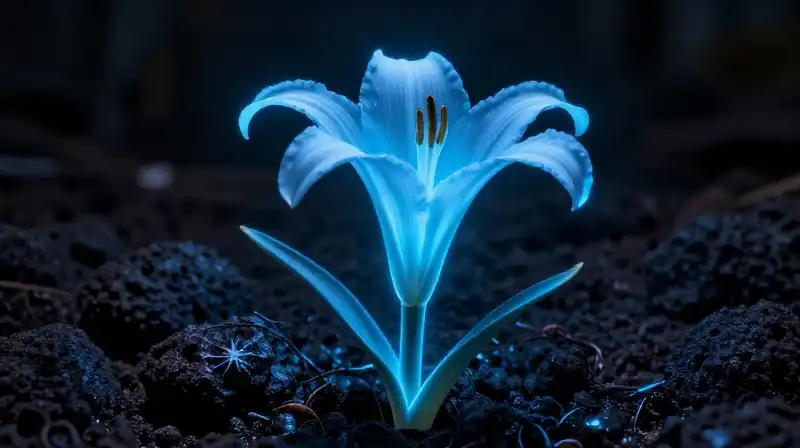
Floral Attributes: The flowers vary in color, typically presenting in shades ranging from soft pink to pure white, but can also exhibit hues close to black. The center of the highly reflexed petals features striking dark maroon specks. The common name “Turk’s Cap” directly references this unique, wide shape formed by its open sepals.
Foliage Details: The leaves are lance-shaped, growing in whorls along the stem. They typically range up to six inches in length. The stems themselves can exhibit interesting color variations, occasionally showing flushes of purple or red.
Ecological Role: Lilium martagon is highly attractive to various pollinators, specifically noted for its ability to draw in hummingbirds and swallowtail butterflies.
Critical Toxicity Warning: Safety and Handling

A mandatory caution when dealing with this plant is its high level of toxicity. Lilium martagon is highly poisonous, particularly if ingested by cats or humans. These toxins can frequently lead to fatal kidney failure and require immediate intervention.
Precautionary Measures: To prevent exposure, strict precautions must be implemented:
- Keep the plant, especially when in bloom, out of reach of curious pets and small children.
- Ensure that any dried flowers or plant debris are handled with care and kept away from ingestion.
- Regular visual inspections of the plant can help prevent accidental contact.
Emergency Protocol: Should suspected ingestion occur, rapid veterinary attention or medical intervention is absolutely necessary. Do not attempt home remedies.
Successful Establishment and Care Practices
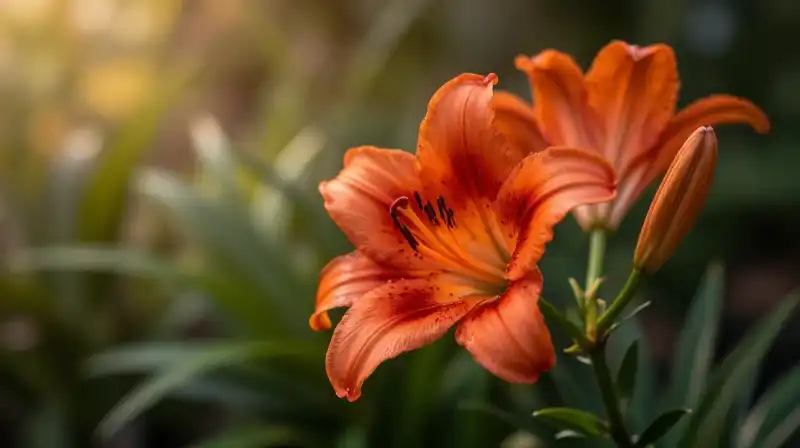
When acquiring or moving Lilium martagon, there are several critical practices to ensure its survival and thrive once established.
Plant Positioning: Once a plant is successfully established in its final growing location, it is advised against moving it. Moving established plants can induce severe stress and significantly diminish their health and growth potential. This decision relies on minimizing disturbance to the root system.
Long-Term Investment: Recognized by the Royal Horticultural Society’s Award of Garden Merit, this is a perennial species, meaning it is a long-term investment. Its robust nature, when provided with proper care, ensures many years of stunning bloom.
Synthesis: Priorities for the Martagon Lily
Successfully cultivating Lilium martagon is less about simply planting it and more about managing its specific environmental needs and ensuring its safety. The primary criteria for success include matching the plant to a site with moist, slightly alkaline sandy loam and providing it with partial afternoon shade, especially during summer heat. However, above all horticultural considerations, remember that the plant’s inherent toxicity demands vigilance. By providing the correct soil and protecting it from exposure, you can successfully manage this spectacular, award-winning perennial.
Related Articles