Dragons Blood Sedum: Plant Profile and Growing Details

Introduction
The Dragons Blood Sedum (often seen as the cultivar ‘Schorbuser Blut’) is a remarkably effective ground cover known for its resilience, low maintenance, and dramatic seasonal foliage. Originating in Germany, this stonecrop is highly regarded for its sprawling, mat-forming growth habit, making it an ideal choice for areas where a dense, living tapestry is required without the need for intensive care. Unlike many ornamental plants, the Dragons Blood Sedum thrives on its natural tendency to spread and root easily along its creeping stems, allowing it to stabilize slopes and cover vast areas efficiently.
Dragon’s Blood Sedum Profile and Characteristics
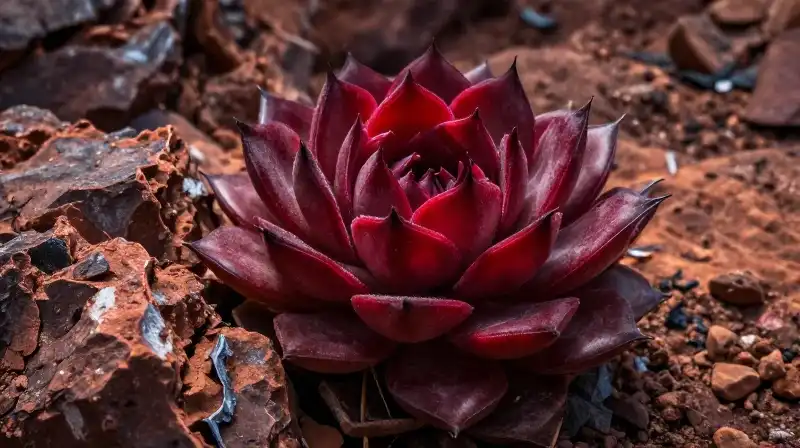 Understanding the specific attributes of the plant helps in determining its suitability for a landscape. The Dragons Blood Sedum is classified as a creeping, branching, and sprawling succulent that establishes itself quickly.
Botanical Features
The plant exhibits distinct morphological characteristics that contribute to its attractive, robust appearance:
- Growth Habit: Low-growing and mat-forming, it creeps across surfaces and roots at its nodes, allowing it to cover large areas with minimal effort.
- Size: It typically maintains a mature height of 3–6 inches while spreading significantly wider, usually reaching 12–18 inches across.
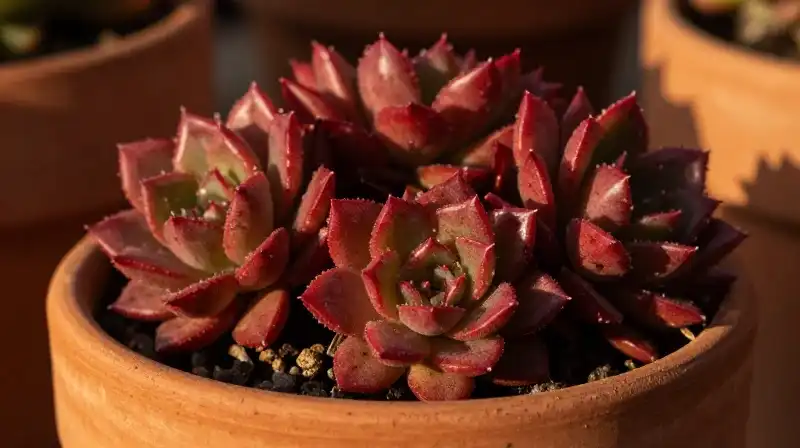
- Foliage: The leaves are thick, fleshy, and succulent, maximizing water retention. They are flattened and measure up to 1 inch long, arranged in opposite rows along the stems.
- Color: While the primary foliage color is a medium green, it often develops notable reddish or purple tinges. This color intensity significantly deepens to a rich red during the autumn months, providing a vibrant seasonal shift.
- Classification: The genus *Sedum* is defined by its general sprawling growth habit, a name derived from the Latin word *sedeō*.
Optimizing Growing Conditions for Dragons Blood Sedum
As a hardy succulent, the Dragons Blood Sedum is exceptionally adaptable, but optimizing its environment ensures it maintains its dense, vibrant health and longevity.
Environmental Requirements
The plant prefers conditions that encourage spreading without excessive moisture. Proper placement is key to maximizing its ground cover benefits.
- Light: It thrives in well-lit conditions. While it can tolerate some afternoon shade, full sun generally encourages the development of the deep red pigmentation and promotes vigorous mat formation.
- Soil: Succulents require excellent drainage. The soil should be well-draining and slightly gritty to prevent root rot, which is a frequent issue for moisture-loving varieties.
- Establishment: Because the plant is known to root easily at its nodes, propagation through division or allowing runners to settle into the soil is highly effective.
Seasonal Cycles: Blooms and Color Changes
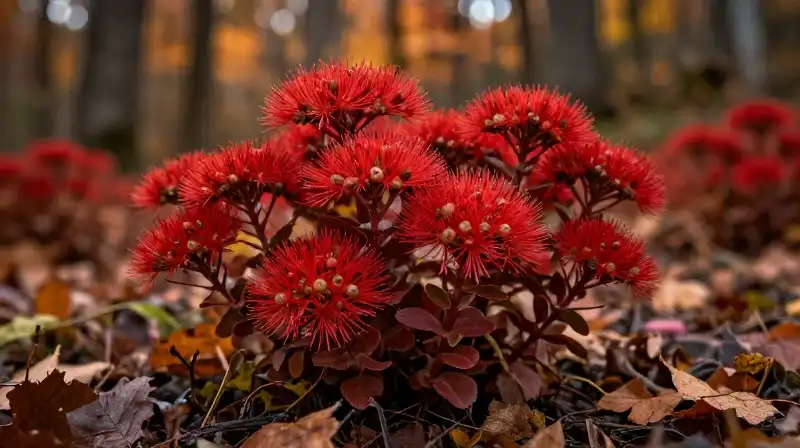 The visual appeal of the Dragons Blood Sedum extends beyond its persistent foliage, particularly during the growing season and transition into cooler weather.
Flowering and Pigmentation Shifts
The plant showcases its reproductive stage in the late season, while simultaneously displaying a dramatic color transition as temperatures drop.
Blooms typically appear from mid-summer into autumn. These small, star-shaped flowers emerge above the dense foliage mat and come in appealing shades of pink to red. As fall approaches, the environmental cues trigger the plant to intensify its characteristic red or purple tinges, transforming the typical green mat into a striking landscape feature. This dual seasonal appeal—blooming and dramatic color change—is a significant advantage over standard ground covers.
Practical Uses and Landscape Versatility
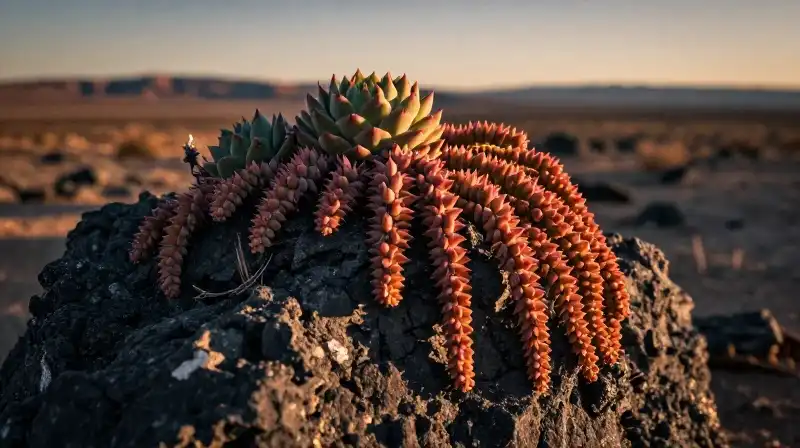 The structural integrity and low-profile nature of the Dragons Blood Sedum make it a highly versatile choice for modern and traditional landscaping, extending its utility far beyond standard garden beds.
Its ability to sprawl and adhere to surfaces allows it to function effectively in unusual or challenging areas:
- Ground Cover: Providing an uninterrupted, low-profile blanket that suppresses weeds and stabilizes soil.
- Vertical Surfaces: It is excellent for covering edges of troughs, retaining walls, or incorporating into living roof designs, where its creeping habit can be utilized to drape or cling.
- Erosion Control: Its spreading root structure helps stabilize slopes and prevents soil erosion, making it beneficial for tiered gardens or embankments.
Maintenance and Cold Weather Considerations
While generally considered very low-maintenance, specific care protocols are essential, particularly regarding winter and overall health.
Care Across Seasons
To ensure optimal health, the maintenance routine should be focused on managing moisture and encouraging growth.
Dragon’s Blood Sedum Care:
- Watering: Water deeply but infrequently. Allow the soil to dry out completely between watering, especially during the hot summer months, to prevent fungal issues.
- Winter Survival: Being evergreen and a hardy succulent, it generally has good winter tolerance. However, in extremely cold climates, the mat should be protected from hard freezes and excessive snow accumulation. Insulating the area or providing some form of mulch around the mat helps shield the sensitive plant tissue.
- Pests and Disease: Due to its succulent nature, its primary enemies are overwatering and pests like spider mites in dry heat. Monitoring for signs of excessive dryness or insect damage is sufficient for proactive care.
Choosing Dragons Blood Sedum: When It’s the Right Choice
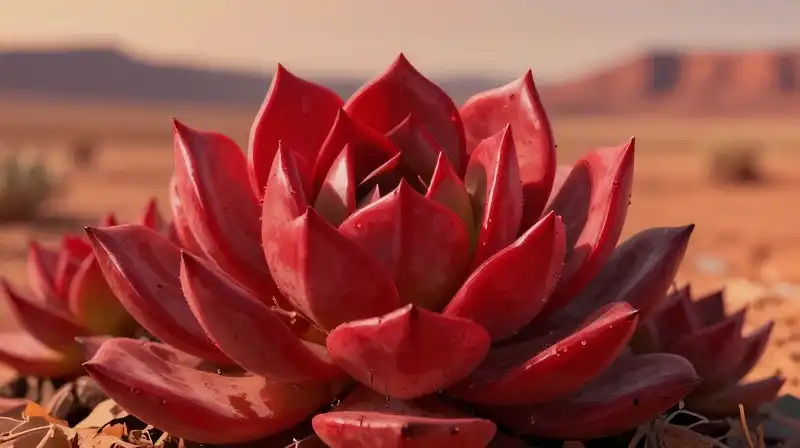 Selecting the correct plant for a project requires matching its specific needs and characteristics to the desired outcome.
Consider the Dragons Blood Sedum when you require a landscape solution that offers visual impact with minimal upkeep. Its strengths are:
| Feature | Benefit | Ideal Scenario |
|---|---|---|
| Sprawling Habit | Exceptional ground coverage; root stabilization. | Sloped gardens, border fill. |
| Fleshy Leaves | Drought and heat resistance; low water needs. | Rocky gardens, low-water landscapes. |
| Seasonal Pigmentation | Visual interest beyond typical green foliage. | Areas needing dramatic, year-round interest (especially fall). |
In summary, the Dragons Blood Sedum is an ideal choice for gardeners prioritizing resilience and coverage. Its adaptability means it can thrive in various light conditions, provided soil drainage is prioritized. By understanding its preference for a well-drained environment and its natural cycle of color intensification in cooler weather, you can successfully integrate this unique stonecrop into your landscape for sustained visual appeal.
Explore more: Dia de los Muertos Skull Designs: Symbols and Artistic Inspi
How to Care for and Maintain Dragons Blood Sedum
Manage Watering
Water deeply but infrequently, allowing the soil to dry out completely between watering, especially during the hot summer months, to prevent fungal issues.
Ensure Proper Drainage
Plant the sedum in soil that is well-draining and slightly gritty to prevent root rot.
Protect from Cold Weather
In extremely cold climates, protect the mat from hard freezes and excessive snow accumulation by insulating the area or providing mulch around the mat.
Monitor for Pests
Proactively monitor the plant for signs of excessive dryness or insect damage, which are the primary threats to its succulent nature.
Related Articles