
Signs of Voles in Your Yard: Damage Identification and Control

Introduction
Identifying voles in your yard requires moving beyond seeing damaged plants; it requires recognizing specific behavioral patterns and structural evidence left by these small, elusive rodents. While voles are often overlooked, their ability to colonize landscaped areas means they can cause significant damage to roots, stems, and established trees. Recognizing the subtle difference between typical lawn wear and active vole intrusion allows for timely identification and targeted control.
Visible Surface Markers and Runways
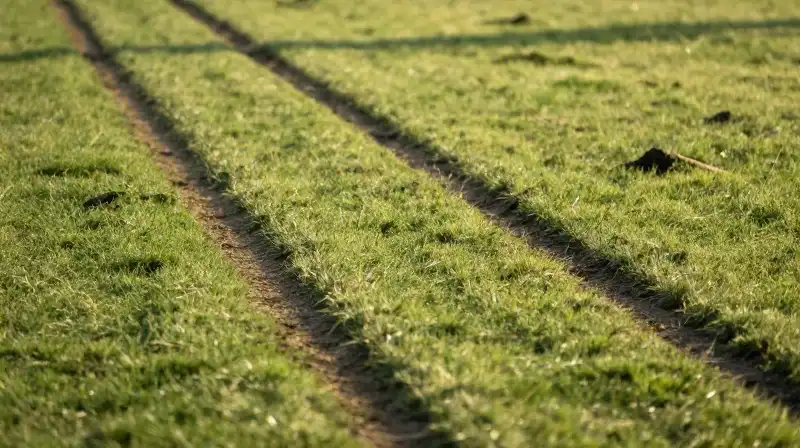 The most immediate indication of a vole presence is the presence of their foraging and travel patterns across the lawn. These surface markers provide a clear visual diagnosis of activity.
Vole Trails and Runways
Voles create distinct pathways, or runways, as they move between feeding grounds and their subterranean homes. These trails are not random; they are characterized by:
- Zig-zag Ruts: Narrow, winding paths cut into the grass, typically 1.5 to 2 inches wide.
- Excavated Dirt: The ruts are often filled or bordered with loosened, excavated dirt.
- Oblong Droppings: The presence of small, rice-grain-like droppings—which appear brown or green—along these trails confirms that the area is an active feeding zone.
Burrow Entrances
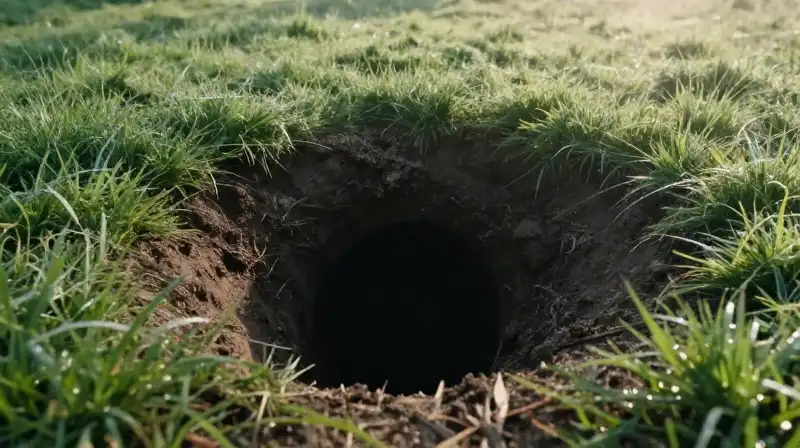
The entry points to a vole’s underground network are specific and easy to locate once the trails are found. These burrows are typically:
- Round Openings: Neat, circular holes, usually ranging from 1 to 1.5 inches in diameter.
- Strategic Placement: They are usually situated directly along the main vole trails, serving as the link between the surface feeding area and the safety of the tunnel network.
Signs of Plant and Structural Damage
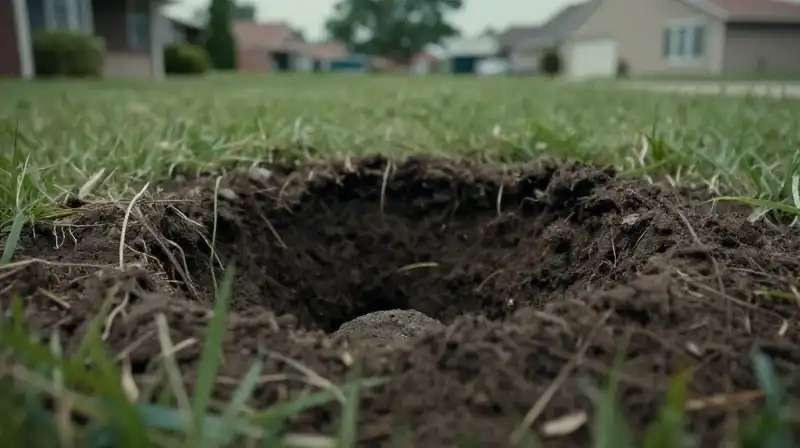 While runways indicate activity, damage to landscaping and vegetation confirms the presence of voles and quantifies the extent of the infestation. Vole damage affects plants both above and below the surface.
Above-Ground Plant Destruction
Voles are capable of inflicting specific wounds on shrubs and ornamental plants. These marks are distinct from those left by larger grazers:
- Clean Cuts: Small, sharp cuts often made at a rough 45-degree angle on the stems.
- Peeling Bark: Strips of bark may be peeled away from woody stems, revealing tiny, chisel-like teeth marks along the edge.
- Girdling: In more advanced cases, voles may create continuous belts of wood, effectively girdling the plant and causing it to weaken or collapse.
Subterranean and Landscape Erosion
Perhaps the most damaging vole activity happens beneath the surface, impacting the structural health of the yard:
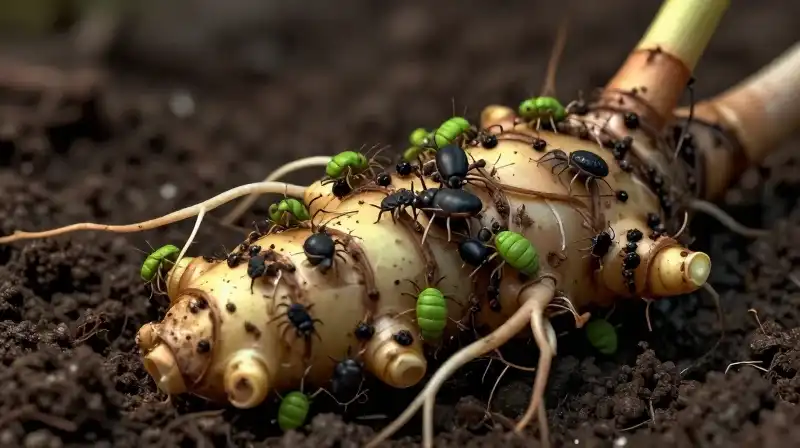
- Root Gnawing: The voles gnaw into the roots and tubers of shrubs and plants. This underground activity often results in the sudden, unexplained collapse or wilting of previously healthy plants.
- Lean or Unhealthy Shrubs: In severe cases, compromised root systems cause established trees and shrubs to appear unhealthy, lean, or structurally unstable.
Differentiating Voles from Other Pests
A common point of confusion is mistaking vole activity for that of other burrowing pests like moles. Understanding the primary difference is key to selecting the correct control strategy.
| Feature | Voles | Moles |
|---|---|---|
| Primary Activity | Surface running and feeding, followed by tunneling. | Subterranean movement only. |
| Surface Evidence | Zig-zag runways, round burrows, scattered droppings, and plant gnawing. | Tunnels or mounds (mole hills) created by soil displacement. |
| Damage Type | Gnawing on roots/stems, bark stripping, and girdling. | No surface damage; focus is on digging and moving soil. |
Targeted Control and Prevention Strategies
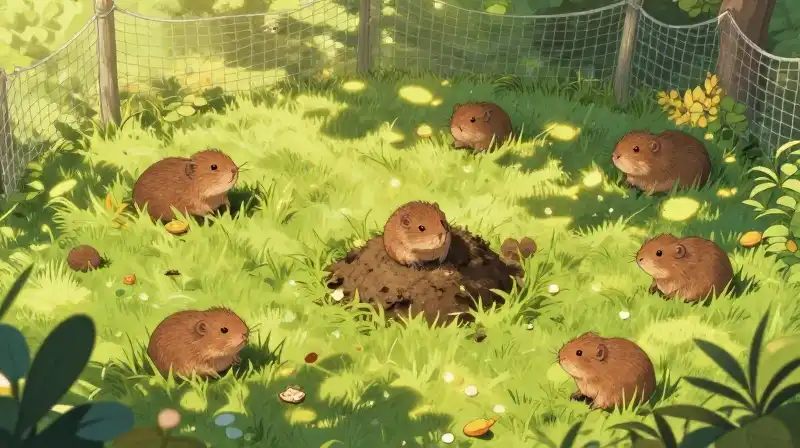 Effective vole management requires a holistic, multi-pronged approach that combines immediate removal methods with long-term prevention.
Immediate Removal Tactics
When an infestation is active, the goal is to reduce the population immediately:
- Physical Traps: Humane and effective traps are designed to catch voles in their runways or burrows. Traps should be placed along the known vole trails.
- Poisoned Baits: Certain rodenticides are highly effective against voles. When using baits, it is critical to place them securely within burrows or tunnels to ensure consumption.
Long-Term Prevention and Exclusion
Preventing future damage focuses on habitat modification and making the yard less appealing to voles.
- Maintain the Lawn: Regular mowing and maintaining a tidy yard reduce cover, making it harder for voles to establish continuous runways and hide their nests.
- Establish Exclusion Zones: Create vegetation-free areas around valuable plants, trees, and shrubs. This limits their access to preferred feeding sites and disrupts their travel patterns.
- Habitat Modification: Clear away excessive debris, leaf piles, and overly dense ground cover where voles typically build their globular nests (6 to 8 inches) and shelter.
Synthesis and Practical Precautions
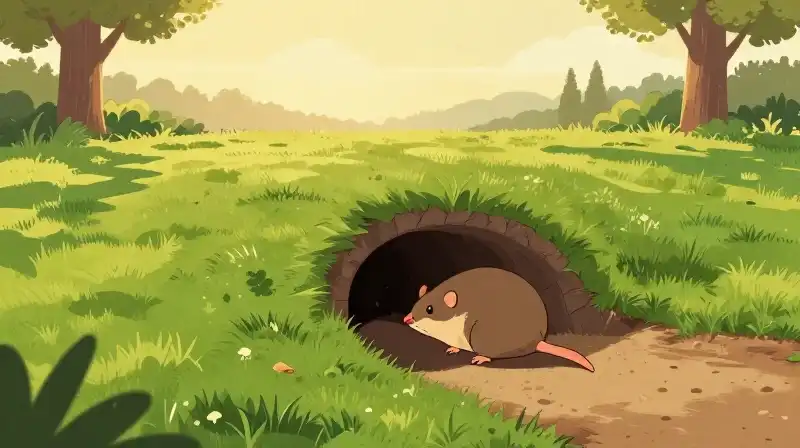 The presence of voles is defined by a combination of subtle surface clues and specific damage to the root structure of your garden. Successful management is not a single action, but a process. The priority should always be early detection: if you spot the zig-zag ruts or the distinct round burrows, initiate surface maintenance and scout for subterranean damage immediately. Avoid relying solely on control methods without first addressing the root cause—available habitat. By maintaining a tidy, low-cover environment, you minimize the conditions voles need to thrive, providing the most effective long-term protection for your yard.
Frequently Asked Questions
What does a lawn look like with voles?
Voles create distinct surface markers on the lawn, including narrow, winding zig-zag ruts (1.5 to 2 inches wide) often bordered by excavated dirt and rice-grain-like droppings. They also create neat, circular burrow entrances, typically ranging from 1 to 1.5 inches in diameter, located along these trails.
How to Manage and Control Vole Infestations
Identify Vole Activity
Look for surface markers such as zig-zag runways, round burrow openings, oblong droppings, and specific signs of damage like clean cuts on stems, peeled bark, or root gnawing.
Implement Immediate Removal Tactics
When an infestation is active, place humane physical traps along known vole trails and securely position rodenticides within burrows or tunnels to reduce the current population.
Maintain the Yard
Regular mowing and maintaining a tidy lawn reduce ground cover, making it harder for voles to establish continuous runways and hide their nests.
Establish Exclusion and Habitat Zones
Create vegetation-free areas around valuable plants and clear away excessive debris, leaf piles, and overly dense ground cover to disrupt travel patterns and eliminate shelter.
Related Articles