
How to Eliminate No-See-Ums: Prevention, Repellents, and Yard Control


Introduction
The most effective way to get rid of no-see-ums—also known as biting midges—is not solely through a chemical spray, but through a comprehensive, multi-layered strategy focusing on eliminating their habitat and reducing your biological attractiveness. These small, blood-feeding pests are attracted to specific heat, scent, and moisture signals. By understanding what draws them and implementing strategic environmental and personal defenses, you can significantly reduce the likelihood of encounters and bites.
Understanding the No-See-Um Attraction Signals
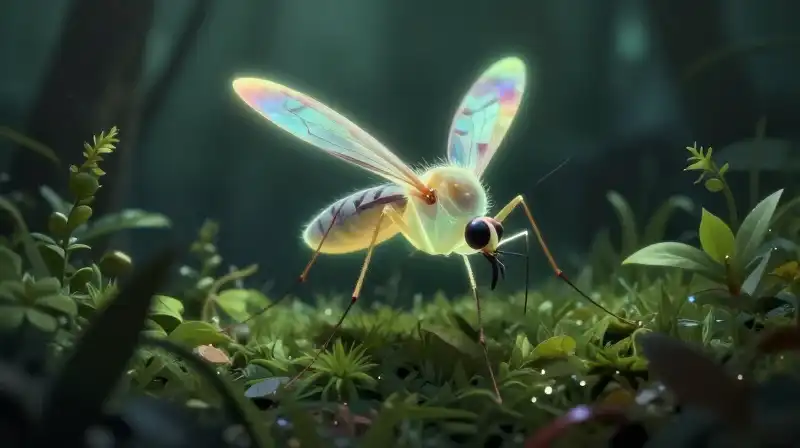 Before eliminating them, it is essential to know what attracts no-see-ums, as this dictates the necessary countermeasures. Unlike many other insects, no-see-ums are keenly attuned to several human and environmental signals:
- Biological Heat and CO2: They are drawn to the heat radiating from a body and the carbon dioxide exhaled during respiration, making them highly sensitive to warm, humid outdoor conditions.
- Specific Scents: Certain volatile organic compounds released by humans—including perspiration, lactic acid, and strong perfumes—act as potent attractants.
- Visible Contrast: Dark-colored clothing increases visibility because it absorbs more heat, making the wearer a more pronounced thermal target.
- Environmental Cues: They are often drawn to light sources, as well as the scent of rotting organic matter, which signals a suitable, moist habitat.
Eliminating Breeding Grounds Through Environmental Control
Since no-see-ums thrive in warm, stagnant environments, the most critical step in eliminating the overall population is aggressive environmental management on your property. This process is highly effective in controlling the pest cycle before it begins.
Targeting Standing Water and Debris
No-see-ums require moisture to breed. Locating and removing every source of still water is the primary control measure.
- Water Audits: Systematically check the entire property—including gutters, drainage areas, neglected flower pots, and containers—for any standing water, even if it is shallow or hidden beneath other objects.
- Sanitation: Dispose of any decaying organic matter, such as rotting fruit, compost scraps, or animal waste, which can serve as a scent lure and breeding precursor.
- Waste Management: Ensure all garbage and compost bins are tightly covered or placed in sealed containers to prevent attracting them through scent.
Reducing Light and Visual Targets
Reducing the cues that signal a ready habitat or a target helps reduce the concentration of biting insects near your dwelling.
- Light Management: During peak activity times (dusk and dawn), minimize excessive outdoor lighting.
- Yard Tidy: Keep your yard meticulously maintained and clear of dense shrubbery, which can provide resting spots and protection for the insects.
Personal Defense: Repellents and Behavior
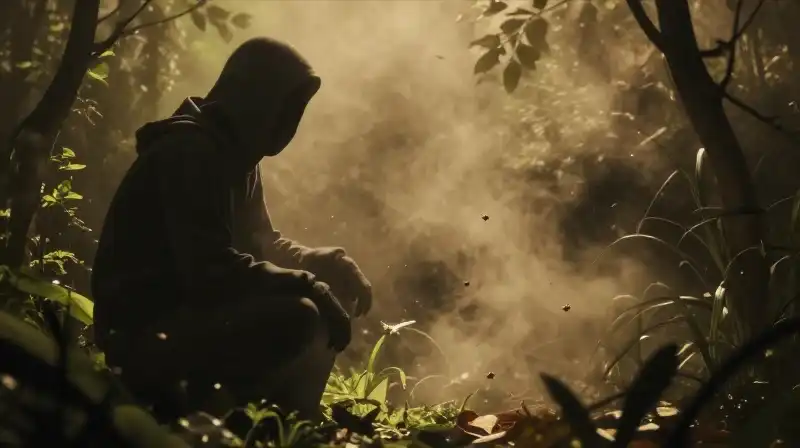 When environmental controls are maximized, personal measures are necessary to prevent contact with the insects during outdoor activities.
Chemical vs. Natural Repellents
Both chemical and natural deterrents offer protection, but they vary in efficacy and persistence.
| Method | Active Ingredients | Pros | Cons |
|---|---|---|---|
| Chemical Repellents | Picaridin, Permethrin (often found in sprays) | Proven efficacy, long-lasting protection. | Can be harsh on skin (must be tested); strong odor. |
| Natural Deterrents | Camphor, Eucalyptus, Lemon, Mint, Cedar | Generally considered safer for sensitive skin. | Protection is often short-lived; requires frequent reapplication. |
Pro Tip on Clothing: When spending time outdoors during peak biting hours, opt for light-colored clothing. Because dark colors absorb heat and increase your thermal signature, light clothing makes you less visible to no-see-ums.
Using Mechanical Barriers
Fans can be a highly effective, non-chemical deterrent. No-see-ums rely on still flight patterns to locate and approach their targets. Strategically placed fans can disrupt these delicate flight paths, making it more difficult for the insects to maintain a consistent approach.
How to Get Rid of No-See-Ums In House or Bedroom
While no-see-ums are primarily outdoor pests, they can occasionally enter a home, especially during humid or windy weather.
If the pests are entering your dwelling, the focus must shift to physical barriers and eliminating their ability to find a warm, still spot inside.
- Sealing Entry Points: Inspect and seal any cracks or gaps around window frames and doors that could allow the small insects to enter.
- Disrupting Stasis: Use fans in enclosed spaces, particularly bedrooms, to keep the air constantly moving. This mimics the outdoor defense strategy and makes it difficult for them to settle.
- Reducing Attractants: Ensure that any stored food or outdoor plants brought inside do not emit strong, attractant odors.
Managing No-See-Um Bites and Reactions
 The bites themselves typically appear as red, itchy welts. While they are rarely dangerous, they can be highly irritating and itchy.
The best approach to treating bites involves immediate cleaning and soothing topical agents:
- Clean the Area: Immediately wash the affected area with soap and water to prevent secondary infection.
- Reduce Inflammation: Apply soothing agents such as calamine lotion or over-the-counter hydrocortisone creams to alleviate the itch and redness.
- Avoid Scratchings: Scratchings can introduce bacteria and lead to infection, worsening the reaction.
Practical Synthesis and Prioritization
 The quest to get rid of no-see-ums requires a disciplined, holistic approach rather than relying on a single solution. To maximize your success, prioritize actions in this order:
- Elimination (Highest Priority): Conduct a thorough property audit and eliminate *all* standing water and rotting organic matter. This removes the source population.
- Personal Prevention (Daily Routine): Use recommended repellents (Permethrin or Picaridin) and wear light clothing when in high-risk areas.
- Atmospheric Control: Utilize fans and seal entry points in your home to physically disrupt and block the pests.
By treating the insect not as an individual nuisance but as a symptom of a favorable ecosystem, you can achieve sustained control.
How to Get Rid of No-See-Ums
Eliminate Breeding Grounds
Conduct a thorough property audit and eliminate all standing water and rotting organic matter.
Implement Personal Prevention
Use recommended repellents (Picaridin or Permethrin) and wear light-colored clothing when in high-risk areas.
Control the Atmosphere and Entry
Utilize fans and seal any entry points in your home to physically disrupt and block the pests.
Related Articles