Compost as Mulch: Benefits, Limitations, and Best Practices

Introduction
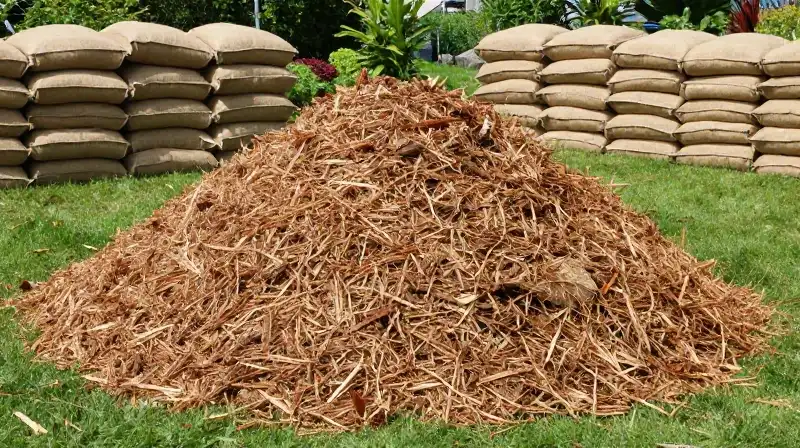
Using compost as mulch is a common gardening practice, but the functions of compost and mulch are frequently confused. While compost is primarily known for its incredible ability to enrich soil with nutrients, mulch is fundamentally a soil management tool designed to protect the soil environment. The short answer to whether you can mulch with compost is yes, it is an organic material that functions as a protective layer. However, the decision to rely solely on compost as a mulch requires careful timing and an understanding of its nutrient composition. If you approach compost as a simple protective covering without considering its nature as a fertilizer, you risk undermining its own benefits or inadvertently causing nutrient loss during periods of plant dormancy.
This article clarifies the functional differences between these two practices, explores the significant benefits of using compost to manage soil, and provides the necessary context on its limitations—particularly concerning winter maintenance and soil biology—to help you apply it effectively throughout the gardening season.
Compost vs. Mulch: Understanding the Functional Difference
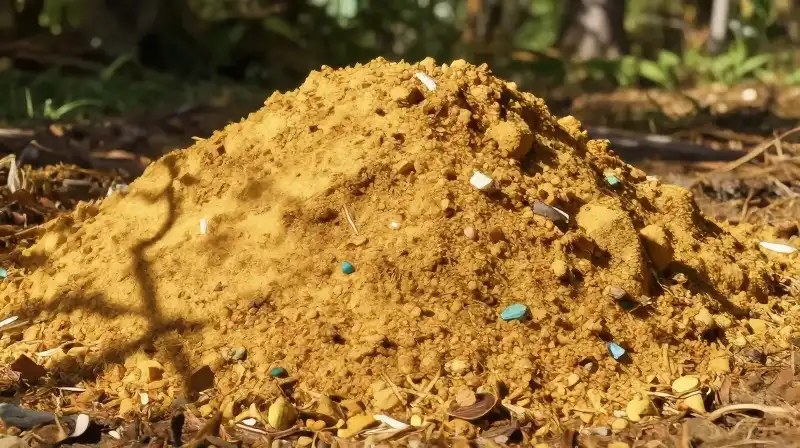
To use compost effectively, it is essential to distinguish between the two practices. The difference is one of primary function:
- Mulch is a protective blanket applied to the soil surface. Its main job is to insulate, retain moisture, suppress weeds, and prevent erosion.
- Compost is a finely decayed organic material. Its primary purpose is to act as a soil amendment, introducing beneficial microbial life and delivering essential macronutrients (like Nitrogen, Phosphorus, and Potassium) and organic matter.
When compost is used as a mulch, it performs both roles simultaneously, making it an enriched protective layer. However, when applied to active growing root zones, compost is often far more beneficial when integrated into the soil as a top dressing or amendment than when left on the surface as a traditional protective layer.
The Benefits of Using Compost as Mulch
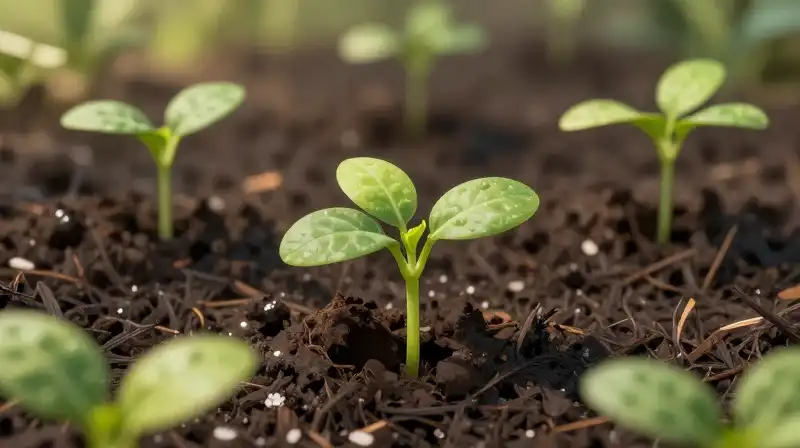
Compost offers several advantages that go beyond the standard moisture retention provided by materials like straw or wood chips. When applied as a surface layer, it significantly improves the overall health and functionality of the soil ecosystem.
- Soil Structure Improvement: Compost is rich in humic acids and stable organic matter, increasing soil porosity and reducing compaction over time, which improves root penetration.
- Moisture Regulation: Its porous nature helps hold moisture within the soil profile, reducing the need for frequent watering.
- Erosion and Temperature Control: A layer of compost acts as an excellent shield against wind and rain erosion, while keeping the soil temperature moderated—cooler in summer and warmer in colder weather.
- Weed Suppression: By forming a physical layer that blocks sunlight, a thick compost layer effectively smothers weed seeds before they can germinate.
- Nutrient Cycling: Unlike inert mulches, compost provides essential, slowly releasing nutrients that feed both the plants and the beneficial soil microbes.
Limitations and Seasonal Nuances: The Danger of Winter-Only Compost
While compost is valuable year-round, using it as a sole mulch throughout the winter requires significant nuance, particularly concerning nutrient stability. This is where the distinction between a soil amendment and a protective layer becomes most critical.
During the winter, when the ground is dormant and root systems are inactive, the soil’s microbial and biological activity significantly slows down. Compost materials, especially nitrogen and potassium, are organic compounds that become more stable (less available to plants) over time. If you apply a thick layer of compost in the fall and leave it there without active root uptake to stabilize or consume those nutrients, you can accelerate the process of nutrient leaching, meaning these essential compounds may be washed away by winter rains.
Furthermore, compost-only layers may limit soil life compared to layered natural mulches. Earthworms and other decomposing soil fauna thrive on a variety of complex organic inputs. Pure compost may not always offer the varied plant matter needed for optimal decomposition and soil structure maintenance, which natural mulches like shredded leaves or wood chips provide.
Practical Application: How to Use Compost as Mulch Effectively
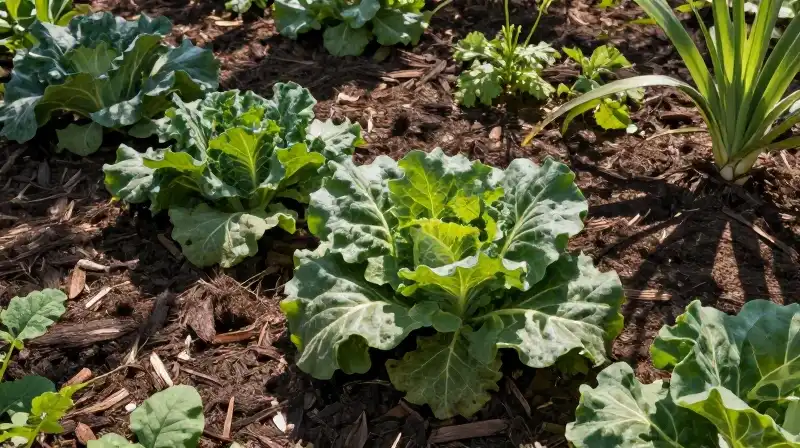
When deciding to use compost as mulch, effective application ensures you are leveraging its benefits while avoiding the pitfalls of nutrient leaching. Follow these guidelines to maximize its performance:
Best Practices for Application:
- Top Dressing: For flower beds, applying compost in a layer 2 to 3 inches deep is ideal, especially when used as a top dressing during the active growing season. Note: Always keep compost several inches away from the actual plant stems and trunks to prevent moisture buildup and rot.
- Lawn Mulching: For lawns or ground cover, a thinner application of 1/4 to 1/2 inch is sufficient to provide protection and nutrient benefits without overwhelming the root zone.
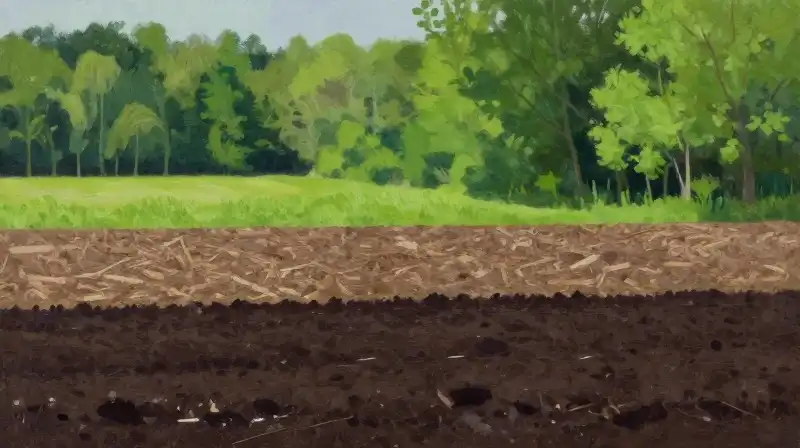
- Layering Strategy: If using compost as a winter cover, consider layering it over a base of natural materials like straw or wood chips. This provides the protection needed while the surrounding organic matter supports continuous microbial activity, offering a minimal degree of nutrient stabilization.
Decision Criteria: Compost vs. Natural Mulches
A common question is, “Can you mulch with just compost?” The answer is that you can, but the optimal choice depends entirely on the current stage of your garden. The table below summarizes when to prioritize each material.
| Factor | Compost | Natural Mulches (Straw, Leaves, Wood Chips) |
|---|---|---|
| Primary Function | Nutrient delivery & soil improvement | Soil protection & moisture retention |
| Best Time of Use | Spring through late Autumn (Active Growth) | Year-round (Best for Winter protection) |
| Nutrient Content | High, releasing organic elements | Low to negligible |
| Weed Suppression | Excellent | Very good, depending on thickness |
If you are managing a garden in the peak of spring or summer, applying compost as a top layer is a highly effective way to maximize nutrient availability and improve soil structure. For cold periods or preparing the garden for dormancy, natural organic materials are generally the superior choice for protecting the soil biome and preventing nutrient loss.
Synthesis: The Strategy of Layering and Timing
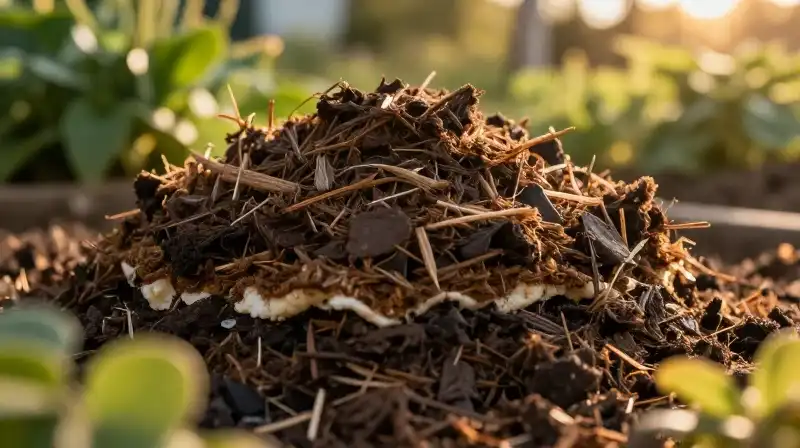
The most sophisticated approach to soil health integrates both materials based on need. Compost should be prioritized as an active soil amendment during the growing season when plant roots are actively stabilizing the soil biome and absorbing nutrients. Applying compost at this time ensures that the organic matter is maximally utilized. During fall and winter, transition to a natural organic cover to focus on protective functions. This preserves moisture, regulates soil temperature, and ensures that soil biology remains somewhat active, creating a healthy foundation that is ready for maximum microbial processing the moment the ground thaws in the spring.
Ultimately, while compost serves as a powerful mulch that enriches the environment, remember that its best use is often as a powerful addition *to* the soil, supporting the very life that keeps your garden healthy.
Frequently Asked Questions
Can you mulch with just compost?
Yes, you can mulch with just compost because it functions as an organic protective layer and nutrient-rich surface. However, the optimal choice depends on the garden stage, as natural organic materials are generally superior for providing winter protection and preventing nutrient loss.
How to Use Compost as Mulch Effectively
Top Dressing for Flower Beds
For flower beds, apply compost in a layer 2 to 3 inches deep, especially when used as a top dressing during the active growing season. Note that you should always keep compost several inches away from the actual plant stems and trunks to prevent moisture buildup and rot.
Mulching Lawns and Ground Cover
For lawns or ground cover, a thinner application of compost, ranging from 1/4 to 1/2 inch, is sufficient to provide protection and nutrient benefits without overwhelming the root zone.
Applying Compost as a Winter Cover
If using compost for winter protection, consider employing a layering strategy by applying it over a base of natural materials like straw or wood chips. This provides the necessary protection while the underlying organic matter supports continuous microbial activity for nutrient stabilization.
Related Articles