Oriental Poppy Seeds: How to Grow and Germinate These Stunning Flowers

Introduction
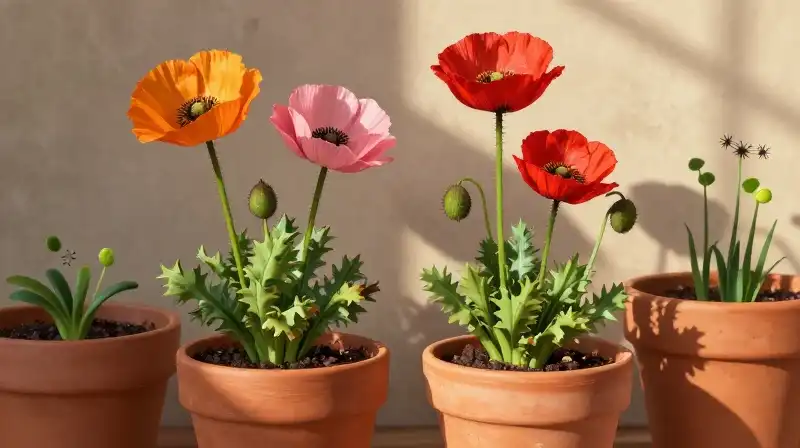
To cultivate Oriental poppies (Papaver orientale) from seed is rewarding, as these striking, long-lived perennials reward diligent care with bursts of vibrant color in late spring and early summer. Unlike many garden annual seeds, Oriental poppy seeds have specific requirements—namely, the need for light and cool periods—that dictate successful germination and sustained vitality. This guide addresses the precise techniques for starting Oriental poppy seeds, from choosing the right timing to managing their lifecycle for decades of bloom.
Why Start from Oriental Poppy Seeds?
Oriental poppies are celebrated for their elegant form and ability to return year after year. They are classified as perennial plants, meaning that given the right conditions, they can persist in your garden for many seasons. Their striking flowers make them excellent focal points, and they naturally attract a wide array of pollinators, including butterflies, hummingbirds, and various bees. Choosing Oriental poppy seeds allows you to customize your garden with specific traits, such as the variety of colors available—ranging from classic whites to deep, rare shades.
Perennial vs. Annual Seed Selection
When purchasing Oriental poppy seeds, confirm the designation. While most cultivars are perennials, some varieties may be self-seeding annual types. Since Papaver orientale typically thrives as a multi-year plant, focus on established perennial stock. Check the seeds’ origin; varieties spanning North Africa, Asia, and Europe offer diverse traits and hardiness levels.
Optimizing Sowing and Germination
Successfully germinating Oriental poppy seeds hinges on three factors: timing, surface contact, and cold temperature. Direct sowing is the only recommended method, as these plants perform poorly when transplanted.
When to Sow Oriental Poppy Seeds
Optimal sowing time depends heavily on your specific hardiness zone. For areas in hardiness zones 3 through 7, the best sowing periods are late fall or early spring. This aligns with the need for cold stratification, which is vital for successful germination. If you reside in warmer zones (8 through 10), sow your Oriental poppy seeds in late fall or early winter to ensure they experience the necessary chilling period before spring warmth arrives.
The Germination Process and Ideal Conditions
Poppy seeds must be sown directly onto the soil surface, never covered, because they require light to successfully break dormancy and germinate. To aid even dispersal, you may gently mix the seeds with a small amount of fine sand. Maintain the soil at an optimal temperature of 65°F. Germination typically takes between 14 to 21 days under these controlled conditions. Combining the seeds with sand can also help ensure uniform spacing when they begin to sprout.
Post-Germination Care and Early Plant Health
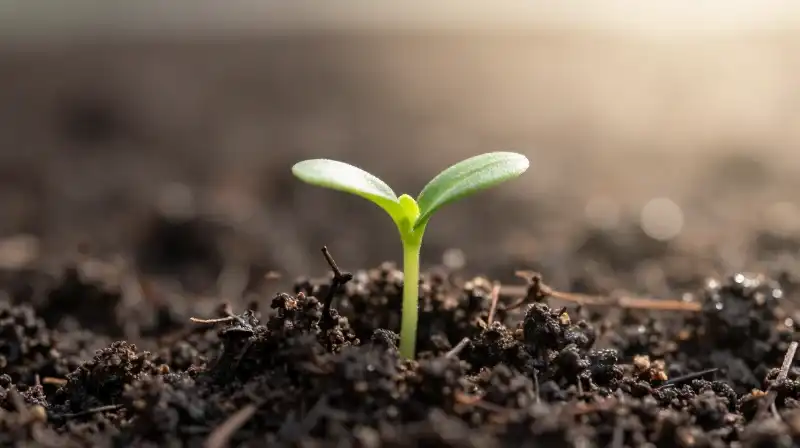
Once the first sprouts appear, the focus shifts to establishing a strong root system and ensuring proper density for maximum bloom.
Thinning and Spacing Requirements
As the seedlings emerge, they must be thinned to allow sufficient space for mature root and foliage development. The ideal spacing between individual plants is typically 12 to 18 inches apart. If you are growing in containers, young plants must be thinned to approximately six inches apart. Thinning early prevents overcrowding, which can lead to weak stems and reduced flowering.
Soil and Watering Strategy
Oriental poppies thrive in well-drained, moderately fertile soil, requiring robust nutrients to support their heavy blooming phase. Water levels must be regular during the initial establishment phase to ensure the young root systems take hold. However, a practical rule for subsequent years is to reduce watering frequency as the plants mature; they are quite drought-tolerant once established.
Lifecycle Management and Growth
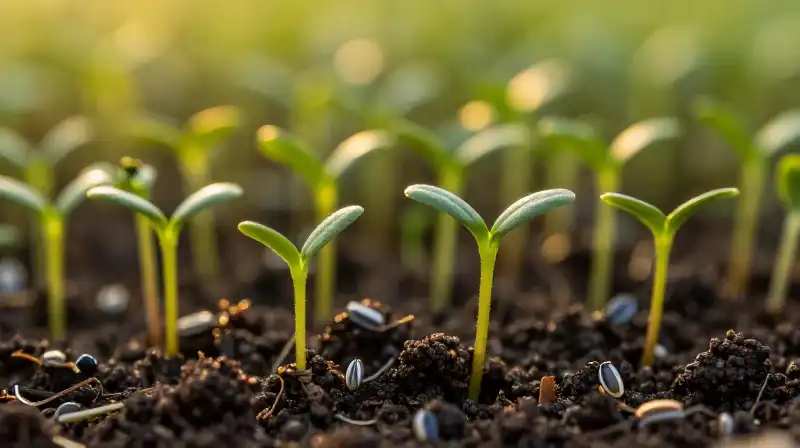
The Oriental poppy is characterized by a prolific flowering period, usually lasting about four weeks in late spring. Understanding its subsequent cycles is key to long-term success.
Dormancy and Winter Foliage
After the final bloom fades, the plant enters a dormancy period. Unlike many summer bloomers, Oriental poppies often retain their foliage throughout the autumn and winter, providing structure in the garden. This persistence makes them excellent choices for filling summer spaces near sprawling plants like baby’s breath.
Division and Propagation Timing
To maintain vigor and prevent root clumping over time, division is necessary. This process should occur infrequently, ideally every four to five years, and should be timed for mid- to late summer when the plant is not stressed by freezing temperatures.
Seed Production and Self-Seeding
Many popular varieties of Oriental poppy poppies are excellent self-seeders. Upon the completion of their flowering cycle, the poppies will often drop new seeds, aiding in continuous crop cycles in your garden.
Addressing Common Poppy Growing Questions
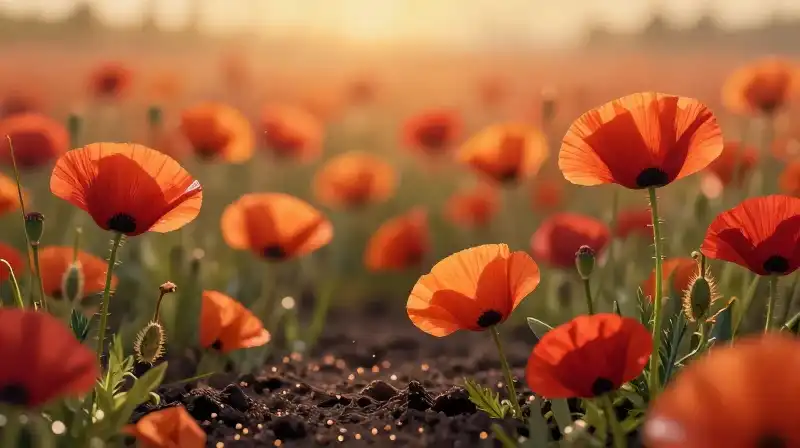
Many gardeners encounter specific questions about the nature and practicality of these seeds. Here is a breakdown of related searches and user queries.
- Which poppy seeds are legal? All varieties of commonly available poppy seeds used for ornamental gardening are legal.
- What do oriental poppy seeds look like? They are small, often brownish or dark red, and require light to germinate, meaning they are designed to be sown on the surface.
- Oriental poppy seeds bulk vs. retail? Bulk sales are often economical for large gardens, while pre-packaged retail seeds offer better quality control and guaranteed species purity.
Critical Considerations for Growing Oriental Poppies
While robust, Oriental poppies are resilient, their success depends on respecting their natural needs. Below are practical warnings and decision criteria to ensure a healthy garden.
| Element | Requirement / Action | Pitfall to Avoid |
|---|---|---|
| Light | Minimum six hours of direct sunlight daily (Full Sun). | Sowing in shaded areas or covering the seeds. |
| Water | Regular watering during the first season, reducing needs later. | Overwatering once established, which can damage roots. |
| Care | Thin young plants to 12-18 inches; divide every 4-5 years. | Transplanting seedlings or dividing them too often. |
By adhering to specific sowing times for your hardiness zone and ensuring adequate light for germination, Oriental poppy seeds will reliably produce striking, long-lasting blooms. Focus on the process of starting correctly, and the reward is a resilient garden perennial that brings continuous color and attracts local wildlife.
How to Cultivate Oriental Poppies
Determine Sowing Timing
Adjust your sowing period based on your hardiness zone to ensure necessary cold stratification. For zones 3-7, sow in late fall or early spring. For zones 8-10, sow in late fall or early winter.
Sow Seeds Directly
Sow the seeds directly onto the soil surface. Never cover the seeds, as they require light to break dormancy. You may gently mix them with fine sand to aid even dispersal.
Maintain Optimal Germination Conditions
Keep the soil at an optimal temperature of 65°F. Germination typically takes between 14 to 21 days.
Thin and Space Seedlings
Once sprouts appear, thin the seedlings to ensure proper density. Aim for 12 to 18 inches apart for ground planting or approximately six inches in containers to prevent overcrowding.
Provide Initial Care and Watering
Maintain regular watering during the initial establishment phase. Ensure the soil is well-drained and moderately fertile. Note that plants become drought-tolerant once established.
Maintain Vigor through Division
To prevent root clumping and maintain plant vigor, divide the plant every four to five years, timing the process for mid- to late summer.
Related Articles