How to Properly Harvest and Store Red Carrot Seeds
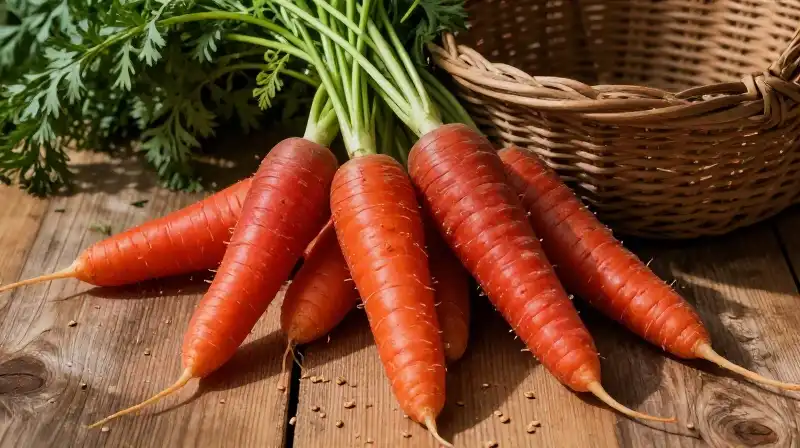
Introduction
To successfully harvest seeds from red carrots, understanding their biological life cycle is the first step. Carrot plants are biennial, meaning they require a full growing season to achieve maturity and produce seed. The primary goal is to allow the plant to naturally “bolt”—transition into its flowering stage—and fully ripen the seed heads. This process isn’t just about letting the plant grow; it requires specific steps regarding isolation, drying, and curing to ensure the seeds remain viable and true to their specific variety for future planting.
Preparing the Red Carrot Plant for Seed Production
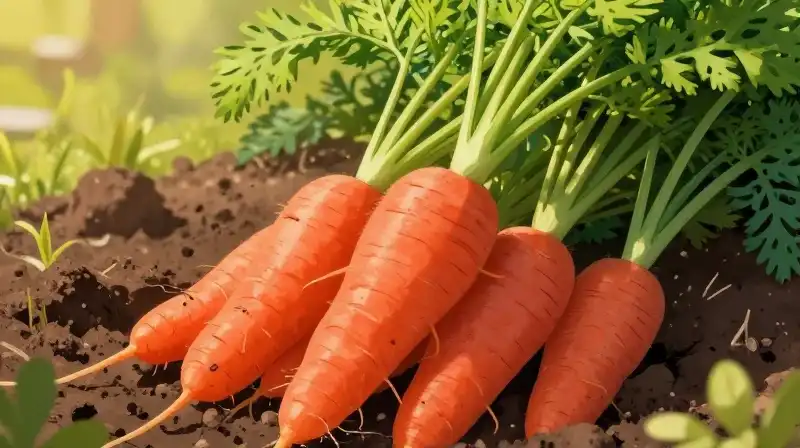 The success of seed harvesting relies heavily on managing pollination. If you plan to save seeds for a specific variety, you must take precautions against cross-pollination, where pollen from a neighboring plant fertilizes your crop.
Ensure genetic purity through isolation
To maintain the integrity of your harvest, isolation is recommended, particularly if you are cultivating unique heirlooms or specific types of **red carrots**.
- Single Variety Focus: Dedicate a planting area exclusively to one variety.
- Spatial Separation: Ensure there are no other flowering carrot plants within close proximity that could attract pollinators.
- Pollinator Management: In highly sensitive areas, consider minimizing external activity, though this is often impractical in a typical garden setting.
Managing cold temperatures
If the climate experiences harsh winters, allowing the seeds to ripen in the cold can damage their long-term viability. For optimal results, it is advisable to bring the entire plant indoors once the soil temperature drops significantly, providing a stable environment for the final maturation and drying phases.
The Harvest Process: From Flower to Seed
The moment of harvest requires patience and proper timing. Rushing this stage is the most common reason for low viability in seed batches.
The critical role of drying
Seed heads must be left on the plant until they have fully reached physical maturity and the structures have completely desiccated. This stage is vital because moisture content directly correlates with seed health. Look for these signs:
- The seed heads should have turned completely brown.
- The overall plant structure should appear dry, brittle, and no longer vibrant green.
Cutting and initial bagging
Once the heads are fully brown and dry, carefully cut them from the main stalk. Immediately place the harvested seed heads into a breathable paper bag or a fine mesh bag. This step prevents moisture buildup and protects the developing seeds from pests during the curing phase.
Curing and Extraction of Seed
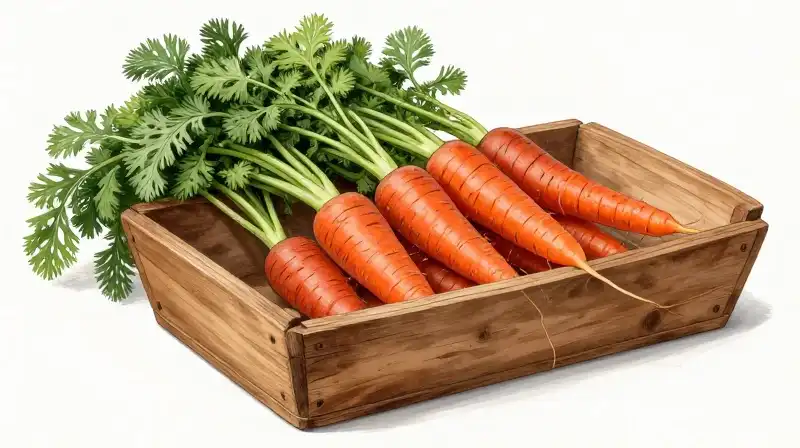 Harvesting the dry heads is only the first part of the process. The “curing” phase involves allowing the seeds to further stabilize and then carefully removing them from the surrounding plant material.
The Curing Phase
After cutting, let the bagged heads sit in a dry, well-ventilated location for several days. This allows any residual moisture to completely dissipate and further hardens the seed coat, improving its longevity.
Cleaning and Extraction
Once fully cured, the seeds are ready for extraction.
- Gently release the seeds from the dry heads.
- Thoroughly separate the seeds from all associated chaff, dried stems, and debris.
- A light cleaning (using brushes or gentle air currents) is often necessary to remove fine dust and remnants of the flower structure.
The resulting seeds should be inspected to ensure they are uniformly sized and appear plump and healthy.
Long-Term Storage and Viability
Once the red carrot seeds have been thoroughly cleaned and dried, they must be stored correctly to retain their viability.
Ideal storage conditions
To maintain the highest possible viability, seeds must be preserved in an environment that mitigates heat, light, and moisture.
- Cool: Store seeds away from heat sources.
- Dark: Light exposure can degrade seed coatings.
- Dry: Ensure the container is hermetically sealed and moisture-proof.
A cool, dark, and dry location, such as a sealed container in a cupboard, is ideal. While the context indicates that properly stored seeds typically maintain viability for two to three years, using airtight glass jars is generally preferred over standard bags to ensure consistent protection.
Are Red Carrots Natural?
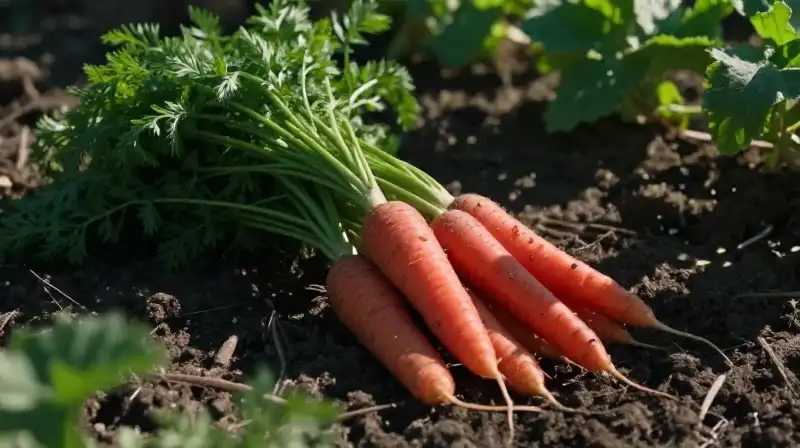 The question of whether **red carrots** are natural touches upon plant genetics and commercial farming practices. Botanically, all carrots are natural as they are a cultivated root vegetable. However, the vibrant red color of certain varieties often comes from high concentrations of antioxidants like lycopene. Cultivating specific **red carrot** varieties is a result of selective breeding by horticulturists to enhance these desirable traits, such as the intensifying color when cooked or specific nutritional profiles.
Final Checklist for Seed Success
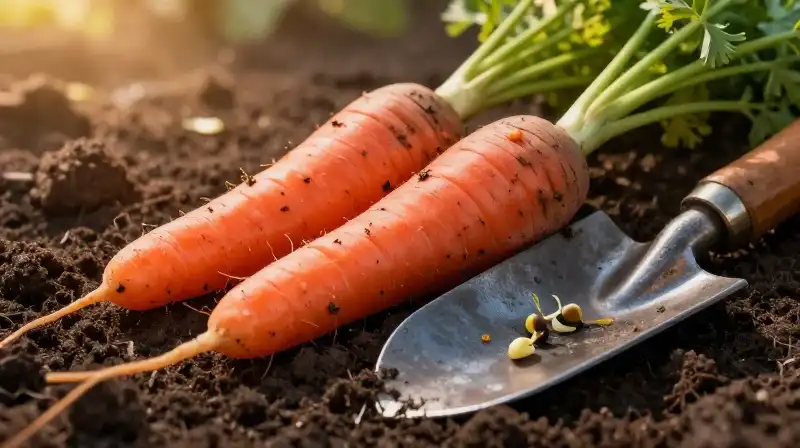 To ensure your future planting is successful and your seed stock is true to its type, prioritize these critical quality control steps:
| Step | Priority | Outcome |
|---|---|---|
| Isolation | High | Prevents cross-pollination and maintains variety purity. |
| Full Drying on Plant | High | Ensures seeds are fully mature and dry enough to be viable. |
| Separation/Curing | Medium | Removes debris and stabilizes the seed coat. |
| Airtight Storage | High | Protects against environmental factors (heat/moisture) that reduce viability. |
| Maintaining these standards moves the process beyond a simple garden task and ensures that your saved seeds represent the high quality of the **red carrots** you cultivated. |
Frequently Asked Questions
Are red carrots natural?
Botanically, all carrots are natural as they are a cultivated root vegetable. However, the vibrant red color of certain varieties is the result of selective breeding by horticulturists to enhance traits like high concentrations of antioxidants.
How to Harvest and Cure Red Carrot Seeds
Isolate the Crop
Dedicate the planting area exclusively to one variety and ensure there are no other flowering carrot plants in close proximity to maintain genetic purity and prevent cross-pollination.
Allow Full Maturation
Leave the seeds on the plant until the seed heads are completely brown and the overall plant structure appears dry and brittle.
Cut and Bag the Harvest
Once the heads are dry, carefully cut them from the main stalk and immediately place them into a breathable paper or fine mesh bag.
Cure the Seed Heads
Allow the bagged heads to sit in a dry, well-ventilated location for several days to let any residual moisture completely dissipate and harden the seed coat.
Clean and Extract the Seeds
Gently release the seeds from the dry heads, thoroughly separate them from all chaff and debris, and use light cleaning methods like brushes or gentle air currents.
Store for Viability
Store the resulting seeds in an environment that is cool, dark, and dry, preferably within a hermetically sealed container like an airtight glass jar.
Related Articles