
Eliminating Spider Crickets: Controlling Moisture and Trapping

Introduction
Spider crickets thrive in specific, often overlooked environments—namely damp, dark areas like basements, garages, and crawl spaces. While they are not typically seen as immediate dangers, an infestation represents a significant pest problem because they rely on fungi, which are sustained by consistent moisture. When these fungi become depleted, the crickets may move to consume organic household items. To effectively eliminate or manage a spider cricket population, the strategy must be multifaceted, attacking both the insects themselves and, critically, the environmental conditions that sustain them.
The Root Cause: Moisture and Fungal Dependence
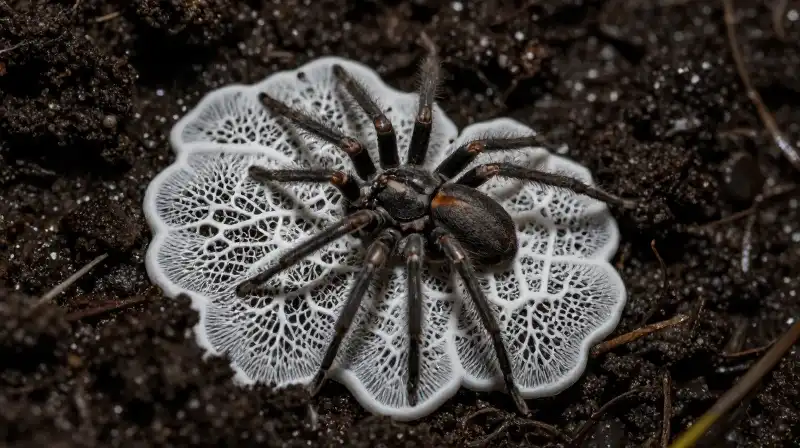 Understanding the life cycle of the spider cricket is key to control. These insects are highly dependent on fungal growth, and that fungal growth requires humidity and moisture. If you find yourself searching for how to get rid of spider crickets, the most effective long-term solution isn’t just killing the insects; it is eliminating the source of their sustenance.
Spider crickets will persist as long as moisture is present. Therefore, the primary focus must be on dehydration and habitat elimination. Reducing overall dampness starves the population, making mechanical removal and chemical treatments far more efficient and less resource-intensive.
Identifying Infestation Signs and Hidden Habitats
If you suspect you have a spider cricket problem in your house, look for specific indicators. Since they tend to be nocturnal and shy, they often hide during the day in poorly maintained areas.
- Frass: Crickets leave behind waste called frass. Consistent accumulation of frass is a clear sign of a high concentration of insects.
- Moisture Intrusion: Look for water damage, condensation, or high humidity in the basement, attic, or along exterior foundation walls.
- Dark, Humid Spots: Check areas that are shielded from direct sunlight and maintain a high level of dampness.
Moisture Control and Environmental Prevention
 Before deploying strong insecticides, focus on preventative infrastructure changes to ensure a long-term solution. This step addresses the critical environmental requirements of the insect.
Waterproofing and Dehumidification
For infestations to cease permanently, the insect habitat must be made uninhabitable. This requires a combination of prevention and active removal of moisture:
- Seal Entry Points: Inspect foundation cracks, utility penetrations, and vents. Seal all gaps to prevent crickets from migrating from outside areas into your living spaces.
- Manage Humidity: Use commercial dehumidifiers in damp areas like basements and crawl spaces to maintain lower relative humidity.
- Foundation Maintenance: Waterproofing the foundation and ensuring proper drainage away from the structure prevents the subterranean moisture buildup that supports fungal growth.
Mechanical and Physical Removal Techniques
 When the population is visible, or for immediate cleanup, mechanical methods are often the safest and most immediate choice.
Trapping Methods
Specific traps are highly effective for capturing insects without widespread chemical use.
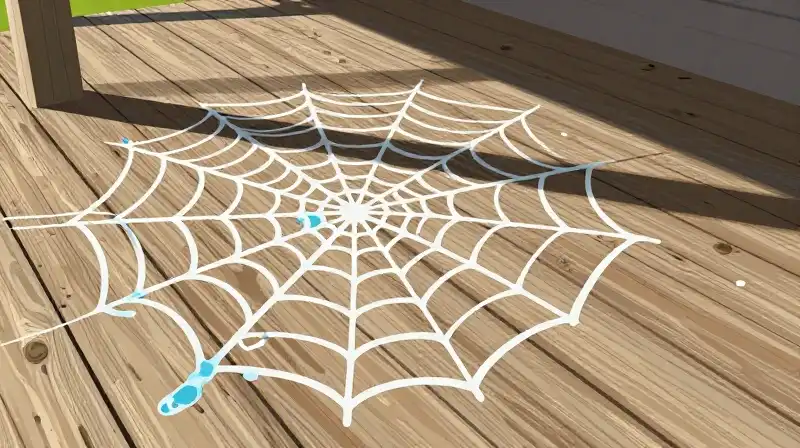
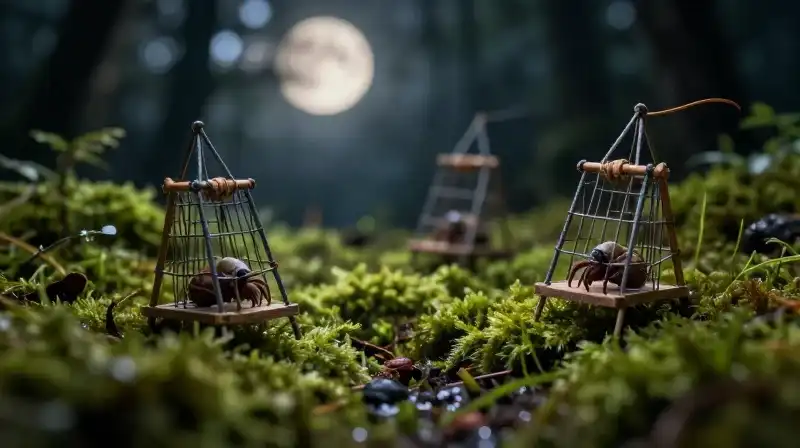
- Sticky Traps: These traps, often constructed from duct tape baited with food sources, are excellent for capturing individuals in known gathering spots.
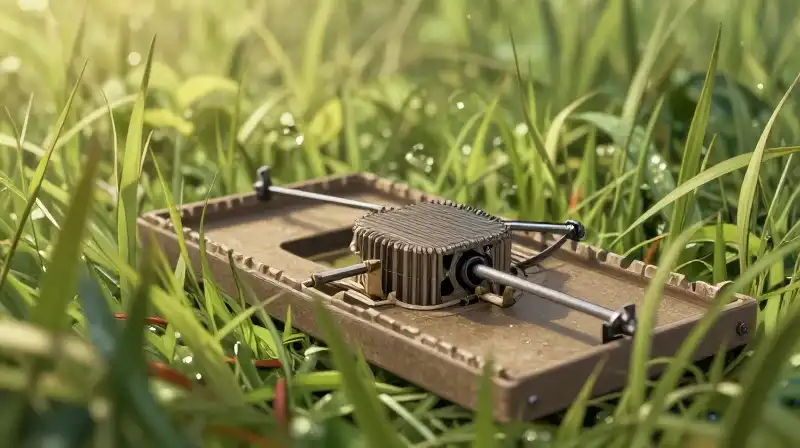
- Electronic Traps: Certain electronic rat or bug traps activated by moisture or proximity offer a rapid and instantaneous method for eliminating active populations.
Manual and Physical Capture
For direct removal, physical tools allow for immediate destruction:
- Vacuuming: Use a strong vacuum to physically capture crickets in dark areas. Ensure the bag or canister is sealed immediately after collection.
- Zapping Devices: Specialized insect-zapping rackets can be deployed in known hiding spots for direct physical destruction.
- Soapy Water (Containment): For confined spaces like a crawl space, using buckets of soapy water can lure insects in, where the soap coats them and prevents escape.
Chemical and Biological Pest Control
When physical removal is insufficient, chemical or biological aids can accelerate the eradication process.
Chemical Options
Chemical controls offer targeted elimination, but require caution regarding pet safety and the local ecosystem.
- Diatomaceous Earth (DE): This natural powder works by dehydrating the insects through its microscopic abrasives. It should be spread in areas where crickets gather to kill them by disrupting their outer layer.
- Insecticides and Granules: Broad-spectrum insecticides or targeted granules can be used for chemical control. However, exercise extreme caution to protect pets and avoid unnecessary harm to local wildlife, prioritizing application only in sealed, inaccessible areas.
Biological Management
Employing natural predators can help stabilize and manage large, ongoing populations without continuous chemical intervention.
Consider introducing natural predators such as mice, centipedes, or specialized predatory cats into areas where the crickets congregate, allowing nature to take over pest control.
Addressing Common Questions: Do Spider Crickets Bite? Are They Dangerous?
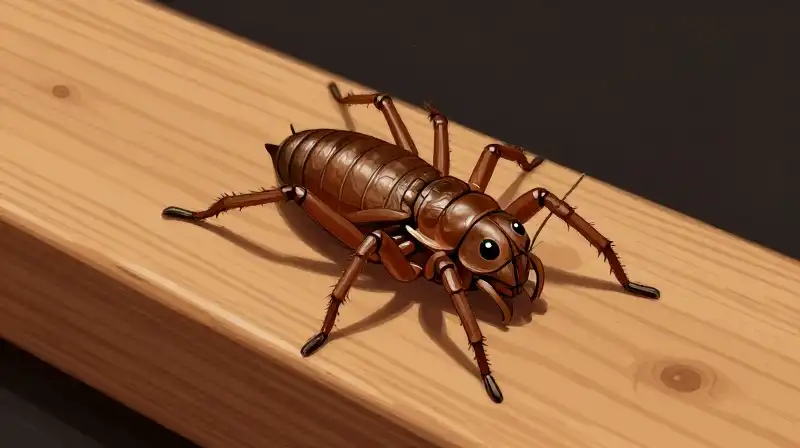
A common concern when seeking how to get rid of spider crickets involves their potential for harm. Generally, spider crickets do not pose a significant threat to humans. They are not known to be venomous and do not possess aggressive biting capabilities. They are pests in a structural and sanitary sense, but rarely a health threat, provided the environment is managed properly.
Effective Elimination Requires Comprehensive Strategy
Achieving long-term reduction of spider crickets is rarely accomplished by using just one method. Because crickets are resilient, a consistent, layered approach is essential.
Start by identifying and eliminating moisture—this is your primary defense. Follow this with a routine application of barriers (sealing entry points) and targeted methods (vacuum, traps, or DE) in high-risk zones. If the population persists, then consider carefully controlled chemical or biological interventions. Success lies in understanding that you are not just fighting an insect; you are managing an ecosystem dependent on high humidity and fungal life.
How to Eliminate Spider Crickets
Identify and Eliminate Moisture
Start by identifying and eliminating moisture, as spider crickets rely on fungal growth that requires high humidity. Reducing overall dampness is the primary defense.
Implement Structural and Mechanical Barriers
Follow environmental reduction with structural changes: seal all foundation cracks and entry points, use dehumidifiers to manage humidity, and apply targeted physical methods such as sticky traps or vacuuming.
Apply Targeted Chemical or Biological Interventions
If the population persists, consider carefully controlled chemical or biological interventions such as Diatomaceous Earth, broad-spectrum insecticides, or introducing natural predators.
Related Articles