
How to Get Rid of Hover Flies: Mint and Habitat Control

Introduction
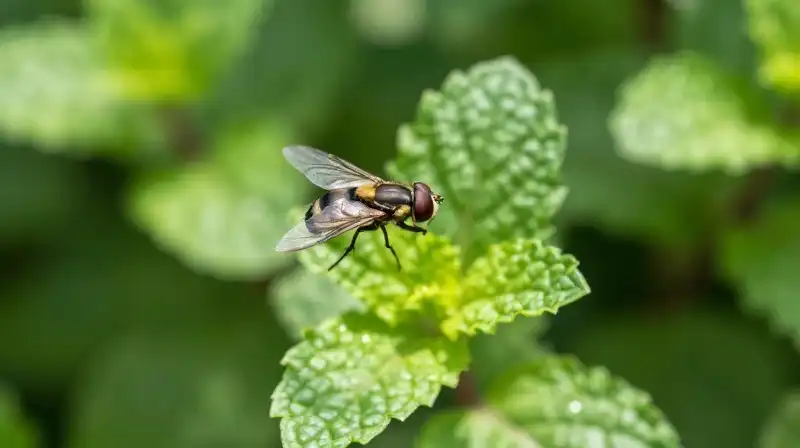
Hover flies, despite the name suggesting a link to bees, are actually fascinating, non-stinging insects that thrive on human proximity. If you are struggling with a hover fly infestation, the solution lies in a two-pronged approach: actively deterring them using sensory methods and proactively controlling the conditions that allow them to establish nests. These flies are highly attracted to the salt and sweat found on people. Rather than focusing solely on immediate extermination, effective control requires understanding their habits—specifically their need for exposed, bare soil—and utilizing strong scents and airflow to make your outdoor living spaces uninhabitable for them.
Understanding the Hover Fly Infestation
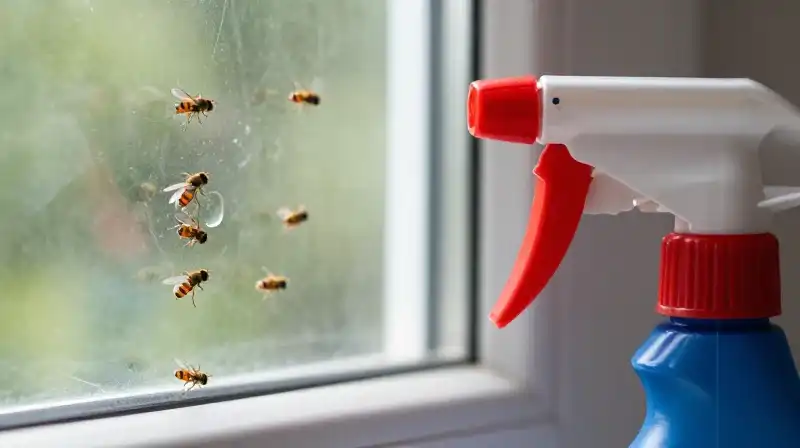 If you have noticed an unusual presence of these insects, the question of “why have I got so many hoverflies?” usually traces back to the environment. Hover flies are opportunistic, and while they are essential pollinators, they are also ground-nesting pests. Unlike most insects that seek deep, secluded spots, hover flies are looking for easy, exposed soil within single-family properties.
The primary drivers of an infestation are typically:
- Bare Soil Availability: They require loose, undisturbed ground for laying eggs.
- Proximity to Humans: Their attraction to human sweat (the salt content) is a major factor in indoor and patio sightings.
- Environmental Stability: They prefer stable conditions where they can successfully establish and reproduce.
Natural Repellents: Utilizing Scent and Airflow
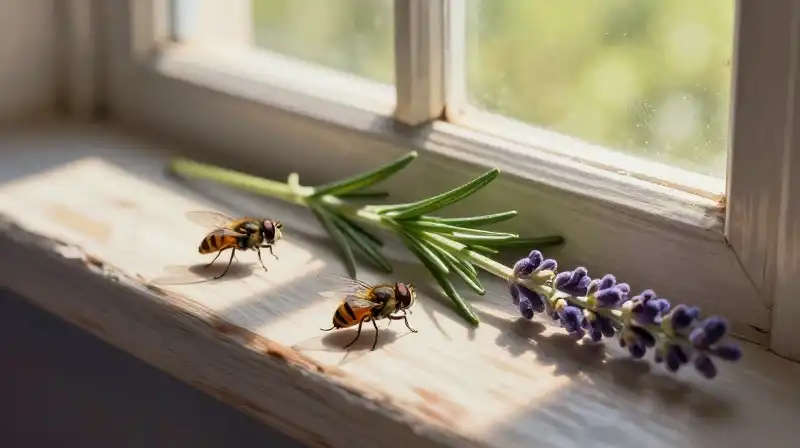 The most effective, non-toxic way to manage hover flies is by leveraging their sensitivity to certain aromatic compounds. Mint has been scientifically noted as a powerful natural deterrent, making it an excellent first line of defense.
Mint and Aromatics for Outdoor Spaces
Mint, in particular, is highly effective at disrupting the flies’ ability to navigate and land. This repellent can be implemented in several practical ways:
- Table and Seating Placement: Place pots containing strongly scented mint varieties directly on outdoor dining tables and around seating areas. This creates an olfactory boundary.
- DIY Repellents: Crushing fresh mint leaves and rubbing them onto exposed skin provides personal protection when you are outdoors.
- Diffusers: Using peppermint or spearmint essential oil in an outdoor or semi-outdoor diffuser can deter swarms in concentrated areas.
The Impact of Airflow
Hover flies are lightweight and highly susceptible to wind. Strategic air movement is a highly practical, non-chemical deterrent that removes them from your entertaining spaces. Utilizing outdoor or ceiling fans effectively prevents them from hovering near where people gather, disrupting their ability to stay close to human sources of attraction.
Controlling the Environment: Habitat Management
 Addressing the source of the problem, or controlling their preferred nesting environment, is crucial for long-term eradication. This habitat modification prevents the establishment of new populations.
Soil Protection and Nest Prevention
Since hover flies seek exposed, bare soil, altering the ground conditions directly impacts their ability to reproduce.
- Strategic Mulching: Apply a thick layer of mulch to all flowerbeds, garden containers, and any bare soil within the property. Mulch serves a dual purpose: it acts as a physical barrier against nesting, and it helps retain moisture and regulate soil temperature in planters.
- Maintaining Lawn Height: Keep lawns mowed to a minimum height of three to four inches. Shorter grass and a layer of organic material on the soil surface make it physically impossible for flies to easily access and excavate the bare earth they need.
Contrast: Environmental Control vs. Chemical Sprays
While commercial sprays, such as a mixture of dish soap and alcohol, can offer temporary knockdown (addressing the competitor’s method), they treat the symptom, not the cause. Environmentally controlled methods offer sustainable deterrence by making the entire yard less hospitable to the insect, providing a cleaner and safer solution for home use.
Identifying and Addressing Indoor and Patio Hotspots
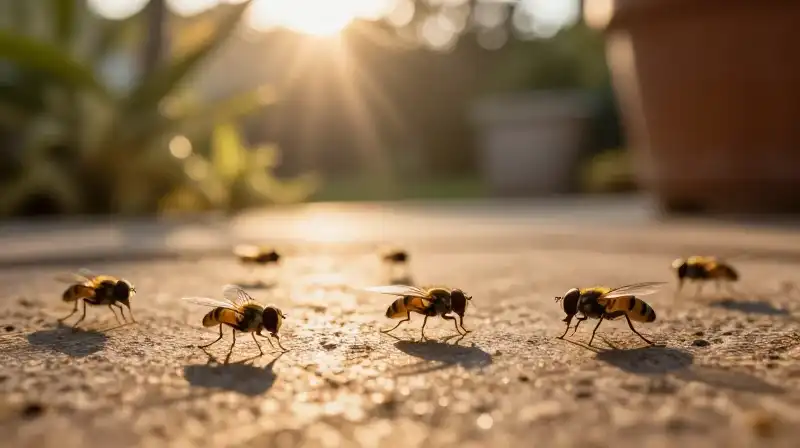 If the issue is specifically targeted toward a patio or interior space, targeted strategies can minimize the infestation.
Patio and Deck Management
For hover fly infestation on a patio, focus entirely on perimeter defense. Ensure no containers are sitting on bare patches of earth and maintain a constant airflow across the seating area. The combination of mint barriers around seating and strong fans is typically sufficient.
Addressing Indoor Presence and Trapping
If the hover flies have made their way indoors, DIY traps can be useful for capture, though they are generally a measure of last resort. A simple DIY trap can involve placing a shallow container with a slight opening near where the flies are congregating. While specialized traps exist, focusing on sealing entry points and maintaining cleanliness is often more effective than trapping, which only removes adult flies.
Prioritizing Your Strategy: An Action Plan
To successfully get rid of hover flies, follow a hierarchy of actions that addresses the problem from the outside in, prioritizing prevention over elimination.
| Priority | Action | Function | Why it Works |
|---|---|---|---|
| High (Prevention) | Mulch bare soil and maintain lawn height. | Habitat Control | Eliminates breeding grounds and hiding spots. |
| Medium (Deterrence) | Use mint barriers (pots, diffusers) and fans. | Sensory Repulsion | Disrupt sallying and landing behavior due to scent sensitivity. |
| Low (Removal) | Use DIY traps or non-toxic sprays. | Targeted Killing | Removes existing adults but does not solve the underlying infestation. |
The most critical takeaway is that hover flies seek refuge in unmanaged, exposed ground. By proactively managing the soil environment and simultaneously introducing strong, natural aromatic and air-based repellents, you can prevent future infestations and successfully manage existing populations without resorting to harsh chemicals.
Frequently Asked Questions
How to get rid of a hover fly?
To get rid of a hover fly infestation, you must control their environment by applying mulch to bare soil and maintaining a lawn height of three to four inches to eliminate breeding grounds. You can also use strong natural repellents, such as mint, and strategic airflow from fans to make outdoor spaces uninhabitable for the flies.
Why have I got so many hoverflies?
Hover flies are attracted to the salt content in human sweat, which is a major factor in indoor and patio sightings. Additionally, they require exposed, bare soil and loose, undisturbed ground for laying eggs.
How to Manage a Hover Fly Infestation Naturally
Protect the Soil (High Priority)
Apply a thick layer of mulch to all exposed soil, including flowerbeds and garden containers, to act as a physical barrier against flies laying eggs.
Maintain Lawn Height
Keep lawns mowed to a minimum height of three to four inches. This makes it physically difficult for hover flies to excavate the bare earth they require for nesting.
Establish Repellent Boundaries (Medium Priority)
Use strong aromatic compounds by placing pots of strongly scented mint on outdoor tables, using peppermint essential oil diffusers, and utilizing outdoor fans to disrupt fly landing and hovering behavior.
Address Indoor Presence (Low Priority)
If flies enter the interior or patio, focus on sealing entry points and maintaining cleanliness. Use DIY traps as a last resort to capture adult flies.
Related Articles