Coloured Heather Care Guide: Types, Soil, and Growth Tips

Introduction
Coloured heather is a popular choice for adding long-lasting visual interest to gardens, particularly when other seasonal blooms have faded. However, when gardeners refer to “heather,” they are often conflating two botanically distinct plants: *Calluna* (Heathers) and *Erica* (Heaths). Successfully cultivating heather requires understanding this fundamental difference, as their requirements for soil, blooming periods, and drainage vary significantly. Selecting the right type—be it a hardy winter-flowering variety or a specific, acidic-soil lover—is the first crucial step in achieving a vibrant, low-maintenance landscape.
Calluna vs. Erica: Choosing the Right Heather
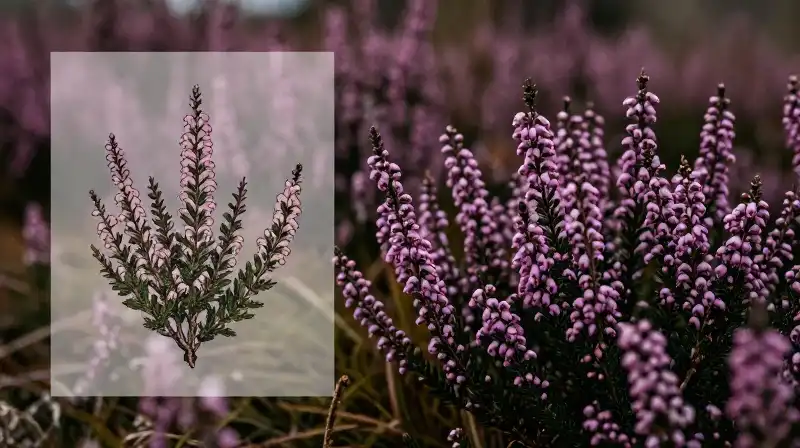 The main distinction between these two genera lies in their biology and typical blooming windows. Choosing between them dictates your care routine and the season you expect the “coloured heather” to provide interest.
Calluna Heathers
Calluna heathers are typically known for their late summer and autumn displays. They possess characteristic small, scale-like leaves paired oppositely on the stem. They thrive when planted in specific, nutrient-poor, and acidic environments, making them true specialists.
Erica Heathers
Erica heathers are often the preferred choice for winter colour. Unlike Calluna, they are frequently bred as “winter-flowering varieties” that offer colour and texture from December through April. These varieties are generally more adaptable regarding their soil pH than their Calluna counterparts.
| Feature | Calluna (Heather) | Erica (Heath) |
|---|---|---|
| Primary Blooms | Late Summer to Autumn | Winter (Dec to April) |
| Soil Preference | Highly Acidic (Low pH) | Adaptable (Less pH sensitive) |
| Typical Use | Autumn accent and structure | Winter colour and cover |
Soil Requirements and pH: The Key to Success
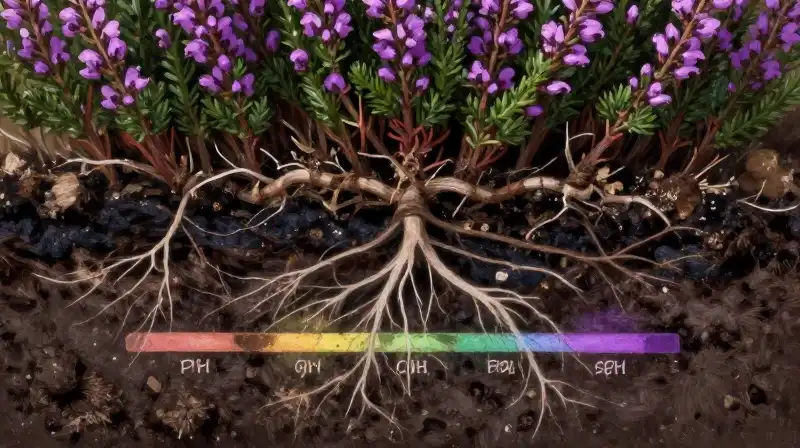 The single most important factor in the success of any heather is the surrounding soil. Incorrect soil chemistry is the most frequent cause of failure.
The Need for Acidic Soil (Calluna)
*Calluna* heathers are inherently demanding regarding their substrate. They are naturally “lime-hating” and require an acidic, low pH soil type to thrive. If your native garden soil is alkaline or neutral, you must amend it drastically or use a specialized potting mix. To maintain the required acidity, incorporating ericaceous compost is the highly recommended method for planting.
Soil Flexibility (Erica)
In contrast, *Erica* heathers are significantly less sensitive to the local pH levels of the ground. While they still require good growing conditions, they do not necessitate the same extreme acidity as Callunas. This makes them a safer choice if your ground soil is variable or neutral, although good drainage remains essential for both types.
Sunlight and Growth Habits
Both Calluna and Erica are tough, resilient plants, but they thrive best under specific environmental conditions.
Sunlight Tolerance and Exposure
Both varieties require bright, sunny positions to produce the best flowers and maintain compact growth. Because of their hardiness, they are also excellent candidates for exposed conditions where other, more sensitive plants might struggle.
Growth and Colour
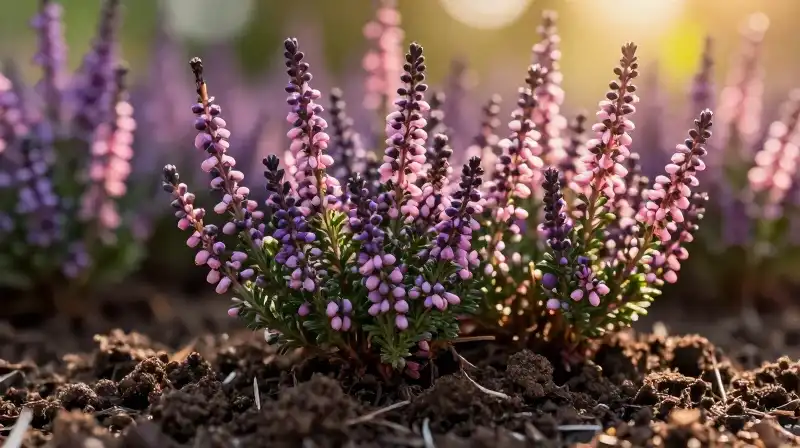
In general, heather tends to be a relatively compact, upright shrub once established. Regarding your question about its size, it typically remains within a manageable height that allows it to be a prominent feature in rockeries or borders without overwhelming smaller plantings. While many are shades of pink and purple, heathers come in a variety of “coloured heather” tones, providing visual interest ranging from vibrant reds to subtle mauves and muted tones.
Cultivation Tips for Less-than-Ideal Gardens
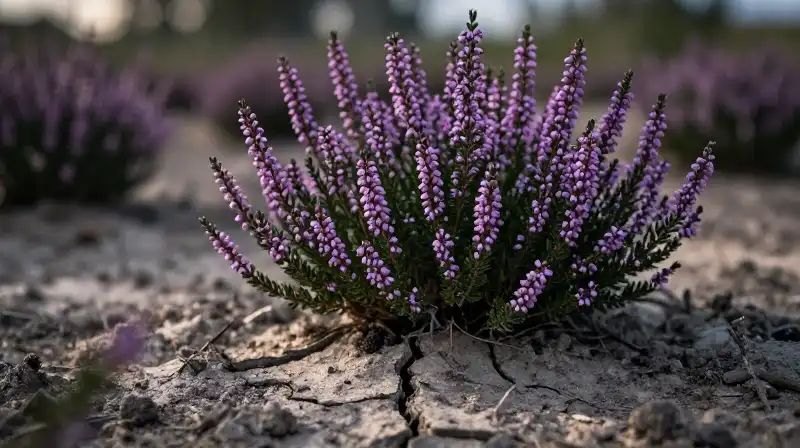 If your garden soil lacks the necessary composition, do not overlook the flexibility of container gardening. * **Container Growing:** Both *Calluna* and *Erica* can be successfully cultivated in pots, which provides complete control over the growing medium. This is a practical solution for areas where the underlying soil is too alkaline or heavy clay. * **Drainage Priority:** Regardless of whether you use garden soil or containers, proper drainage is non-negotiable. While heathers tolerate periods of moisture, they must never sit in waterlogged soil, which can lead to root rot. * **Low Maintenance:** Once established and properly planted, heathers are generally low-maintenance. Their hardy nature means they handle various environmental stresses well.
Managing Your Coloured Heather: Practical Guidelines
 To ensure your coloured heather thrives year after year, focus on three key maintenance areas.
- Watering Needs: Although they are tolerant of some drought, regular watering is necessary during periods of intense heat or drought, especially for container-grown plants.
- Pruning: Strategic pruning helps maintain the desired shape and encourages new growth, but avoid excessive cutting, which can shock the plant.
- Soil Health Check: If you are growing Callunas in the ground, periodically checking and supplementing with ericaceous compost will ensure that the vital acidic environment is maintained over time.
For sustained beauty in the landscape, the decision between *Calluna* and *Erica* should always be based on the specific light and soil conditions of the planting area, rather than solely on the desired colour. By understanding these differences, you can successfully integrate hardy, long-flowering heathers into any garden design.
Frequently Asked Questions
How big does coloured heather grow?
In general, heather tends to be a relatively compact, upright shrub once established. Regarding its size, it typically remains within a manageable height that allows it to be a prominent feature in rockeries or borders without overwhelming smaller plantings.
Is heather a purple color?
Many heathers are shades of pink and purple, but they also come in a variety of colored tones. These tones provide visual interest ranging from vibrant reds to subtle mauves and muted tones.
How to Cultivate and Manage Coloured Heather
Select the Right Variety
Choose between Calluna (heathers, best for late summer/autumn in highly acidic soil) or Erica (heaths, best for winter colour and more adaptable soil) based on your environment.
Prepare the Substrate and Drainage
Ensure the growing medium is properly prepared. For Calluna, use a specialized potting mix or amend native soil with ericaceous compost to achieve high acidity. Regardless of the choice, ensure excellent drainage to prevent root rot.
Ensure Proper Placement
Place the heather in a position that receives bright, sunny exposure, as both varieties require full sun for compact growth and vibrant flowering.
Manage Watering Needs
While hardy, regular watering is necessary during periods of intense heat or drought, especially for plants grown in containers.
Maintain Soil Health
If growing Callunas in the ground, periodically check the soil and supplement it with ericaceous compost to maintain the vital acidic environment.
Prune Strategically
To maintain the desired shape and encourage new growth, perform strategic pruning. However, avoid excessive cutting, as this can shock the plant.
Related Articles