What Gloves Are Best for Protecting Against Insect Bites While Gardening

Why Insect-Resistant Gloves Matter
Gardening puts your hands in direct contact with soil, plants, and the insects that live among them. Mosquitoes, ticks, spiders, and thorny plants can all cause painful bites or scratches. The right pair of gloves creates a physical barrier that lets you garden confidently without reaching for the bug spray every five minutes.
Key Features to Look For
Material Thickness
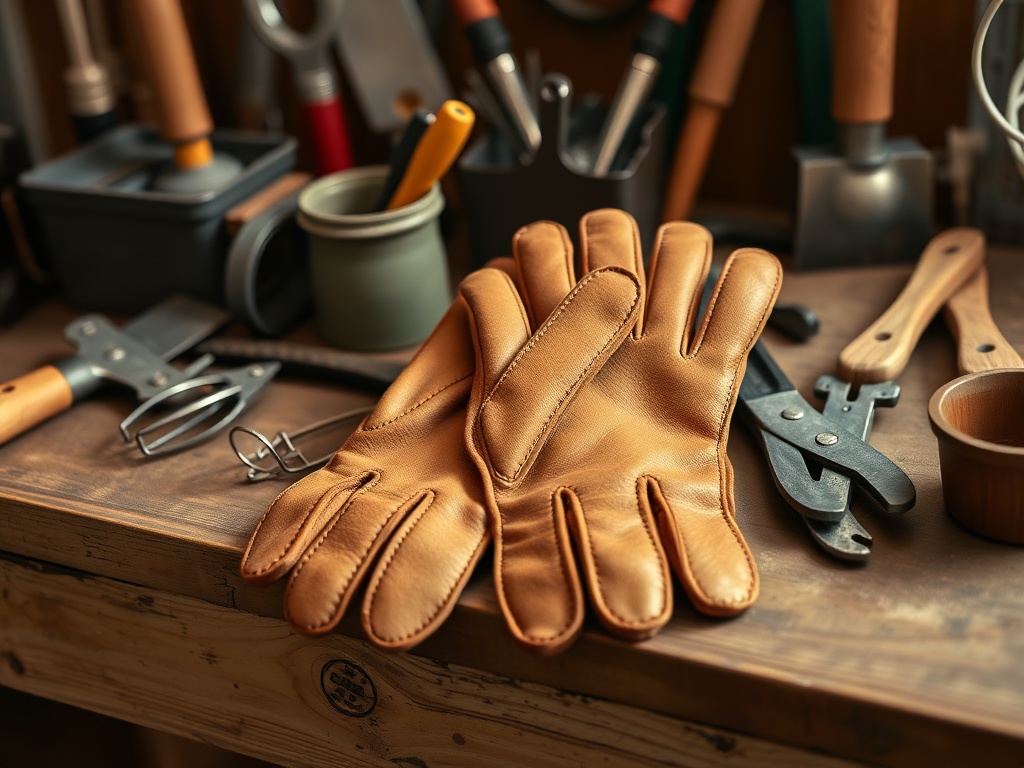
- Leather (goatskin or cowhide): Excellent puncture resistance against thorns and insect stingers. Thick enough to prevent mosquito penetration.
- Nitrile-coated fabric: Lightweight, breathable, and waterproof. The coating prevents insects from biting through the fabric.
- Canvas/cotton: Budget-friendly but insects can bite through thin areas. Best for light weeding only.
Cuff Length
The most common bite locations are the wrists and forearms. Look for gloves with extended cuffs (at least 4 inches past the wrist) or pair standard gloves with separate arm sleeves.
Gauntlet-Style Gloves
For heavy brush work or areas with dense insect populations, gauntlet-style gloves that extend to the elbow provide maximum protection. They’re essential when working with thorny bushes like roses or blackberries where insects nest.
Top Recommendations
| Glove Type | Best For | Insect Protection | Price Range |
|---|---|---|---|
| Goatskin leather | Roses, thorny bushes | Excellent | $$ |
| Nitrile-dipped | General gardening, wet soil | Very Good | $ |
| Gauntlet leather | Pruning, heavy brush | Excellent | $$$ |
| Bamboo with nitrile | Light weeding, container gardening | Good | $ |
Additional Protection Tips
- Tuck glove cuffs under long sleeves to eliminate gaps
- Apply DEET-based repellent to clothing (not gloves) for added protection
- Check gloves for holes before each use — even small tears let insects through
- Wash gloves regularly to remove insect-attracting sweat and plant odors
Conclusion
For most gardeners, goatskin leather gloves with extended cuffs offer the best balance of insect protection, durability, and dexterity. If budget is a concern, nitrile-dipped gloves provide excellent protection at half the cost. The key is choosing gloves thick enough that insects cannot bite through, with cuffs long enough to cover vulnerable wrist areas.
Related Articles