
285 words
1 minute
How to Secure a Garden Gate to Prevent Unauthorized Access

Jennifer Hayes Arborist & Tree Specialist
Published: 2026-06-29
Assessing Your Gate Security Vulnerabilities
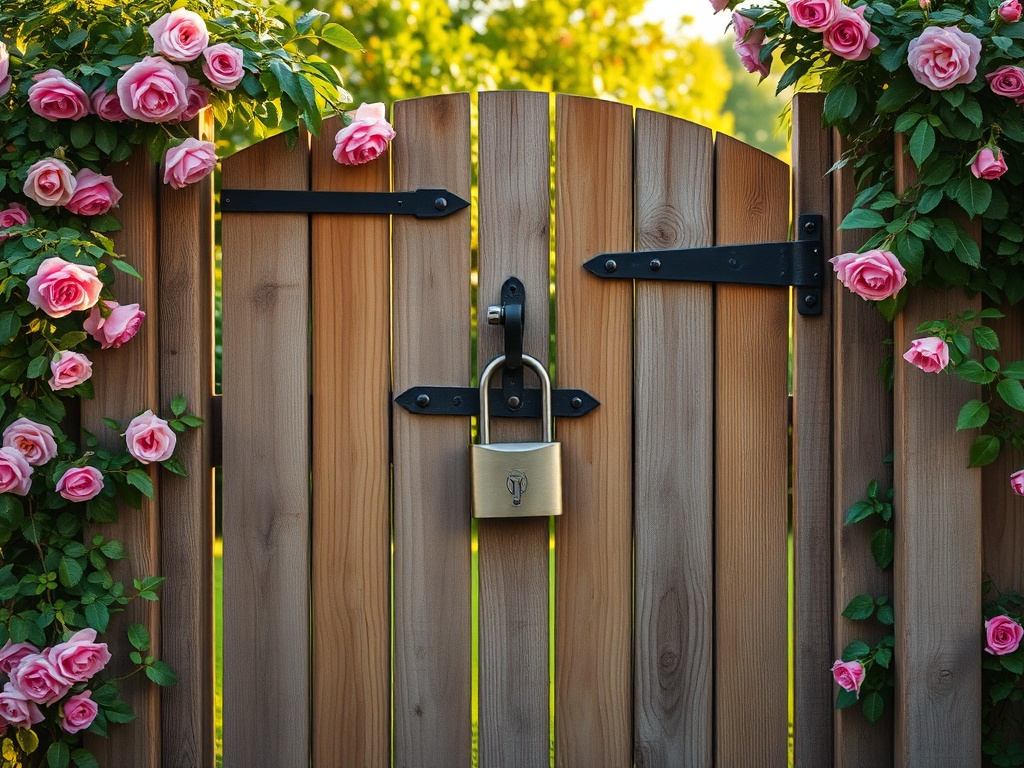
A garden gate is often the weakest point in your property’s perimeter. Whether you’re protecting expensive plants, garden tools, or simply maintaining privacy, a properly secured gate is your first line of defense.
Security Solutions by Budget
Budget-Friendly Options ($)
- Padlock and hasp: The simplest solution. Use a weatherproof closed-shackle padlock to prevent bolt-cutter attacks.
- Self-closing hinges: Ensure the gate closes automatically behind you, eliminating the risk of leaving it open accidentally.
- L-bracket reinforcement: Strengthen the gate frame with metal brackets to prevent prying.
Mid-Range Solutions ($$)
- Magnetic latch with key: These latches lock automatically when the gate closes and require a key to open from either side.
- Motion-sensor lights: Solar-powered LED lights that activate when someone approaches the gate at night.
- Security camera (battery-powered): Wireless cameras with night vision that send alerts to your phone.
Premium Security ($$$)
- Smart lock with keypad: Program access codes for family members. Some models integrate with home security systems.
- Electric gate opener with remote: Allows keyless entry while keeping the gate locked at all other times.
- Full perimeter alarm system: Sensors on the gate that trigger an alarm when tampered with.
Installation Tips
- Reinforce the gate post: A secure lock is useless if the post can be easily pushed over. Use concrete footings at least 2 feet deep.
- Choose the right lock height: Place locks at chest height to make them harder to reach over the gate.
- Eliminate climb points: Remove nearby objects that could be used as stepping stones to climb over the gate.
- Use tamper-resistant hardware: Choose screws and bolts that require special tools to remove.
Conclusion
Start with a quality padlock and self-closing hinges, then layer additional security features based on your needs and budget. The most effective approach combines physical barriers (locks, reinforced posts) with electronic deterrents (lights, cameras, alarms).
Written by Jennifer Hayes
Arborist & Tree Specialist
Certified Arborist with 15 years of experience in tree care and urban forestry. ISA Certified Tree Risk Assessment Qualifier. Passionate about sustainable landscape design and native species preservation.
View all articles by Jennifer →
Related Articles
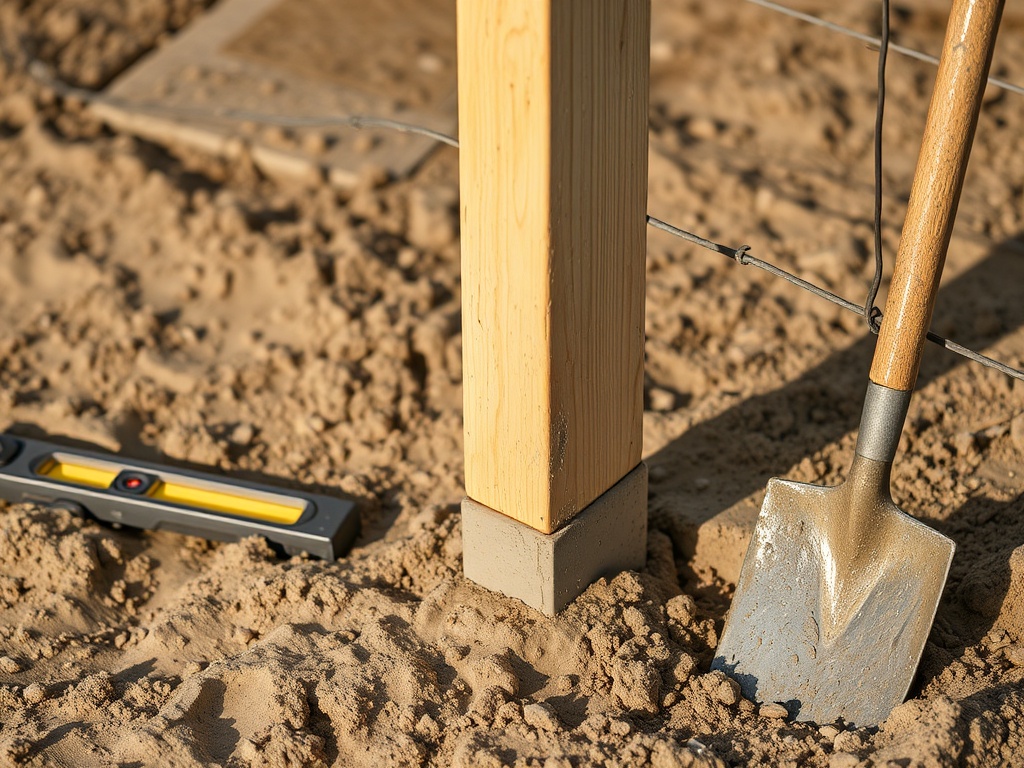
How to Anchor a Fence Securely in Sandy Garden Soil
Learn proven techniques for anchoring fence posts in sandy soil. From concrete footings to gravel stabilization, prevent fence leaning and collapse.
343 words
|
2 minutes
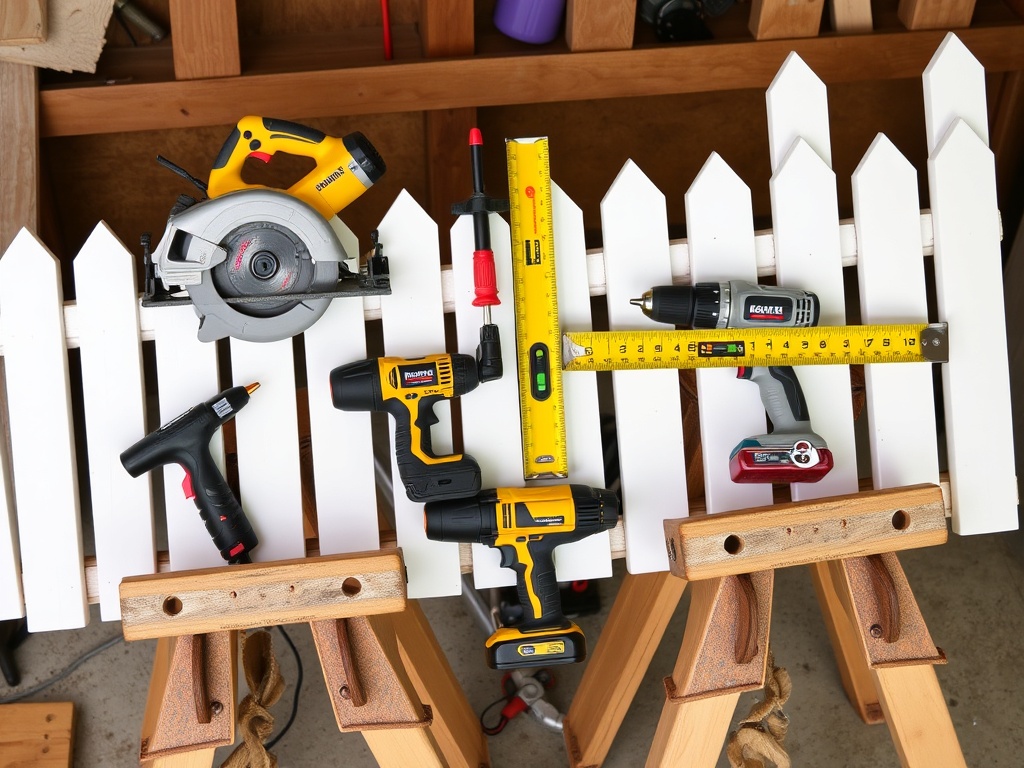
What Tools Are Needed to Build a DIY Garden Picket Fence
Complete tool checklist for building a garden picket fence. From post hole diggers to levels, learn what you need before starting your fence project.
286 words
|
1 minute
What Gloves Are Best for Protecting Against Insect Bites While Gardening
Discover the best gardening gloves for insect bite protection. Compare materials, cuff lengths, and brands to keep your hands safe from mosquitoes, ticks, and thorns.
284 words
|
1 minute