Muhlenbergia dubia: A Complete Guide to Pine Muhly Care

Introduction
Muhlenbergia dubia, commonly known as Pine Muhly, is a highly effective, compact ornamental grass designed for structure and low-maintenance design. If you are selecting a dense, evergreen grass for your landscape, understanding the specific characteristics and requirements of this species is essential. Unlike many grasses, *Muhlenbergia dubia* forms a neat, symmetrical dome, making it an excellent choice for container planting, borders, or small garden beds where space is limited. This guide provides a complete look at the appearance, growing needs, and maintenance of this distinctive grass.
A Detailed Profile of Pine Muhly Appearance and Size
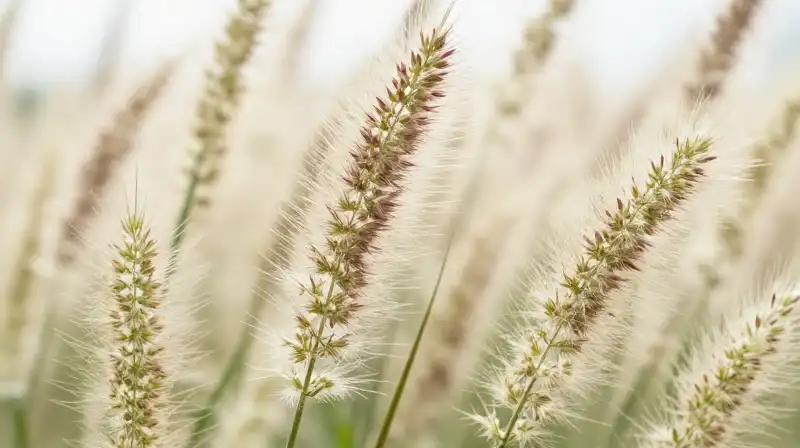
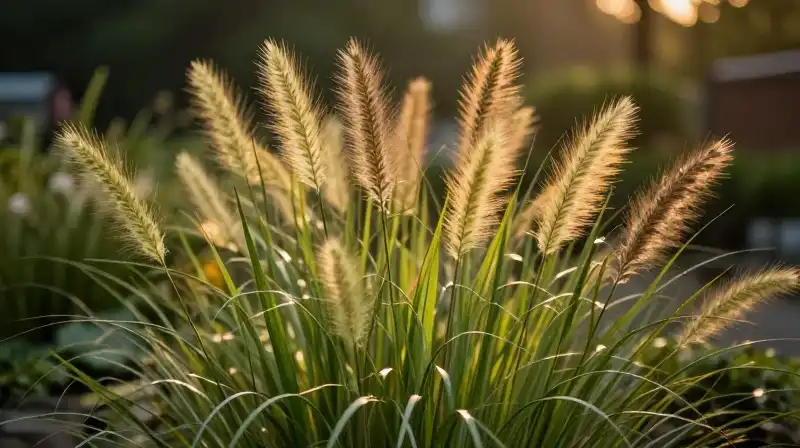
Pine Muhly is characterized by its dense, clump-forming habit and robust foliage. The grass maintains an upright structure that gives the appearance of a tightly wound dome, particularly as it matures. Foliage height typically reaches between 24 and 36 inches. By late summer and into the fall, the mature specimen can expand to a width of 3 to 4 feet, offering significant visual presence without being overwhelming for smaller areas.
The visual appeal of *Muhlenbergia dubia* increases throughout the season. Its foliage is generally dark and evergreen, providing year-round texture. The reproductive phase features numerous semi-erect, straight, and narrow spikes that bear cream-colored flowers. As the season progresses, these blooms mature and transition to a warm tan color, adding a soft, warm contrast to the dense green texture of the plant.
Growing Conditions for Muhlenbergia dubia
Proper placement is key to the health of *Muhlenbergia dubia*. This species is adapted to full sun, requiring at least six hours of direct sunlight daily to achieve its best density and color. It performs best when planted in soil that is fair to well-drained. While it can tolerate more frequent watering, it is a drought-tolerant plant once established and thrives in conditions where the soil does not become waterlogged.
The grass is cold hardy, surviving down to USDA Zone 7 (0-10 F°). However, it is best suited for regions where winter temperatures remain mild enough to prevent prolonged, intense freezing damage to the established root system. Minimal supplemental irrigation is required once the plant is fully rooted in the ground, allowing it to thrive in more arid or naturalized garden settings.
Muhlenbergia dubia vs. Muhlenbergia rigens: Sizing the Difference
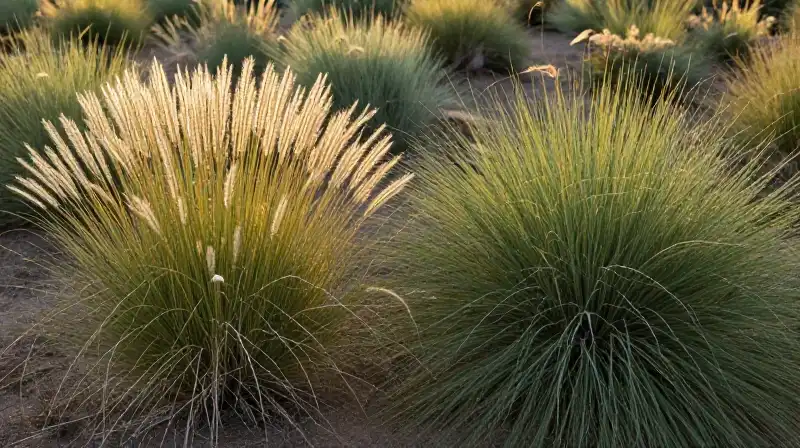
The most common confusion regarding this species is between *M. dubia* (Pine Muhly) and its relative, California Deer Grass (*M. rigens*). While both are beautiful and suitable for California landscaping, they serve different purposes in a design plan. The key difference lies in scale and overall habit.
Pine Muhly is a significantly more compact variety. As a result, it is roughly half the size of the California Deer Grass, making it ideal for areas where larger, more aggressive grasses would overwhelm the landscape. The comparison of these two popular varieties helps designers decide on the appropriate textural scale for their beds.
| Feature | Muhlenbergia dubia (Pine Muhly) | Muhlenbergia rigens (CA Deer Grass) |
|---|---|---|
| Form | Compact, Symmetrical Dome | Aggressive, Tall, Spreading Clumps |
| Typical Height | 24–36 inches | Often taller and larger |
| Size Suitability | Borders, Containers, Small Gardens | Large Landscape Projects, Naturalized Areas |
| Origin | Chihuahuan Desert (AZ/Northern Mexico) | California Native |
Native Range and Browsability
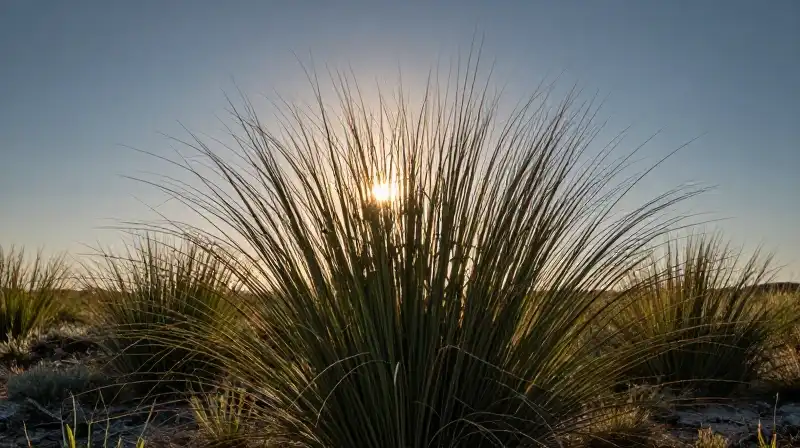
Regarding its native range, *Muhlenbergia dubia* is not native to California. Its natural habitat extends across the Chihuahuan desert, spanning from eastern Arizona in the United States into northern Mexico. Its presence in California markets is due to its resilience and aesthetic appeal.
In terms of wildlife interaction, field observations suggest that Pine Muhly is rarely browsed by deer, making it a resilient ornamental choice for areas where deer pressure is a concern.
Essential Care and Maintenance
Because *Muhlenbergia dubia* is a resilient, clump-forming grass, its maintenance needs are minimal. The plants naturally transition through seasons, and the foliage provides structure even when the flowering season ends.
To ensure the health of your Pine Muhly, focus on these three practical steps:
-
Water Management: While it is drought-tolerant, establishing it with adequate initial watering encourages strong root development. Once established, ensure proper drainage to prevent root rot, which is the most common failure point for ornamental grasses.
-
Pruning: Minimal pruning is necessary. Allow the natural structure to form. Cutting back old, spent foliage in the late winter or early spring helps refresh the look of the clump without harming the core plant.
-
Soil Enrichment: When planting, incorporating organic matter into the planting hole improves long-term soil structure and water retention, aiding the grass’s establishment in varying soil types.
Conclusion and Planting Considerations
*Muhlenbergia dubia* is an outstanding choice for gardeners seeking a visually impactful, low-stress grass. Its compact, dome-like structure, combined with its strong cold hardiness and drought tolerance, makes it versatile across many climate zones.
When incorporating Pine Muhly into your design, prioritize planting it in full sun and ensuring excellent drainage. If your goal is a dramatic, expansive landscape texture, the larger *M. rigens* might be better suited; however, if you require a controlled, defined, and symmetrical focal point, *Muhlenbergia dubia* offers unparalleled reliability and visual appeal.
Frequently Asked Questions
Is Muhlenbergia dubia native to California?
No, Muhlenbergia dubia is not native to California. Its natural habitat spans the Chihuahuan desert, extending from eastern Arizona to northern Mexico.
Essential Care and Maintenance of Muhlenbergia dubia
Water Management
While it is drought-tolerant, establishing it with adequate initial watering encourages strong root development. Once established, ensure proper drainage to prevent root rot, which is the most common failure point for ornamental grasses.
Pruning
Minimal pruning is necessary. Allow the natural structure to form. Cutting back old, spent foliage in the late winter or early spring helps refresh the look of the clump without harming the core plant.
Soil Enrichment
When planting, incorporating organic matter into the planting hole improves long-term soil structure and water retention, aiding the grass's establishment in varying soil types.
Related Articles