Pittosporum Plant Care: Size, Colors, and Growth Requirements

Introduction
Pittosporum is a highly adaptable and architecturally rich genus of flowering plants, encompassing approximately 250 species. From robust hedging material to dramatic statement trees, pittosporum varieties are prized for their glossy, evergreen foliage and diverse color palettes. These shrubs and small trees thrive in various garden structures, providing year-round interest. However, successfully cultivating a pittosporum plant requires understanding how specific varieties respond to light, soil type, and protection. The primary objective is balancing sufficient environmental support with the unique needs of the chosen plant to ensure optimal health and the development of its striking features, including vibrant leaf coloration and fragrant blooms.
If you are looking to incorporate this versatile genus into your landscape, understanding its growth requirements is essential. This guide details the size limitations, necessary growing conditions, and the key factors that determine whether your pittosporum will achieve its full aesthetic potential.
Growth Habit and Mature Size
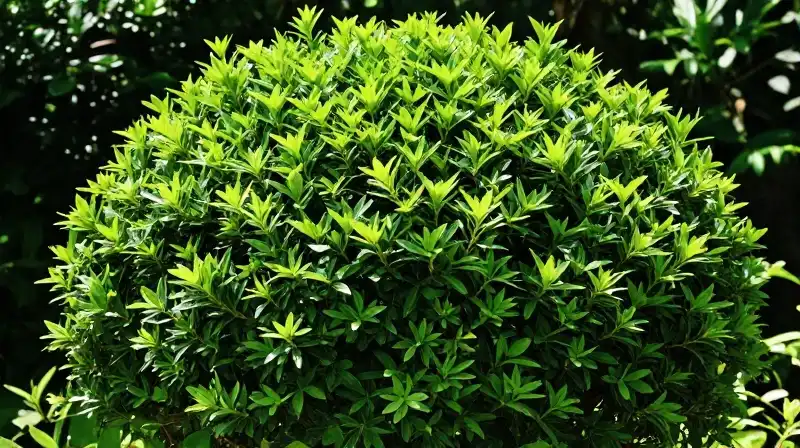
One common question regarding the pittosporum plant concerns its final dimensions. Because the genus includes both low-growing shrubs and substantial trees, the answer depends heavily on the specific cultivar you select. In general, most common varieties function successfully as medium-sized shrubs.
When discussing how tall pittosporum can get, it is crucial to differentiate between the common hedging varieties and the larger specimens. While some ornamental types remain relatively compact, others are designed for structural impact.
- Compact Shrubs: Many varieties are suited for dense hedging or large pots, typically maintaining a height and spread that is manageable within a standard border.
- Medium Trees: Larger cultivars can achieve significant height, depending on the climate and available space. They can grow into substantial trees, providing excellent vertical structure in larger gardens.
- Growth Rates: Growth rate is influenced by sunlight and adequate feeding. Varieties grown in high-light conditions with optimal nutrition tend to develop more vigorously.
Mastering Foliage Color and Variety Selection
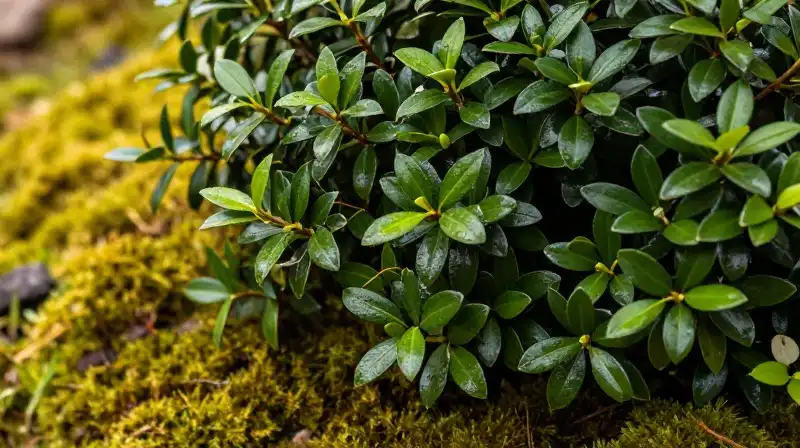
The true visual appeal of the pittosporum often lies in its foliage. Pittosporum plants offer an incredible diversity of color, ranging from deep greens and vibrant yellows to striking purples and silvery-greys. The appearance of these shades is often a combination of genetics and environmental factors.
To achieve the most dramatic and healthy coloration, light exposure is critical. The summary indicates that adequate exposure to plenty of sunlight is necessary for the full development of these unique leaf colors. Inadequate light will typically result in a more uniform, duller green.
Understanding specific types helps narrow the best choice for your site:
| Variety Type | Key Characteristics | Typical Use |
|---|---|---|
| Pittosporum Variegated | Features contrasting splashes of white, cream, or yellow on the glossy dark green leaves. | Focal points, borders, container plantings. |
| Pittosporum Nigricans | Known for its very dark, often nearly black stems and glossy foliage, providing dramatic contrast. | Formal hedging, striking structural planting. |
| Pittosporum Tobira | Often recognized for its ability to tolerate saline conditions, making it suitable for coastal areas. | Coastal landscaping, robust screening. |
Optimizing Light and Soil Conditions
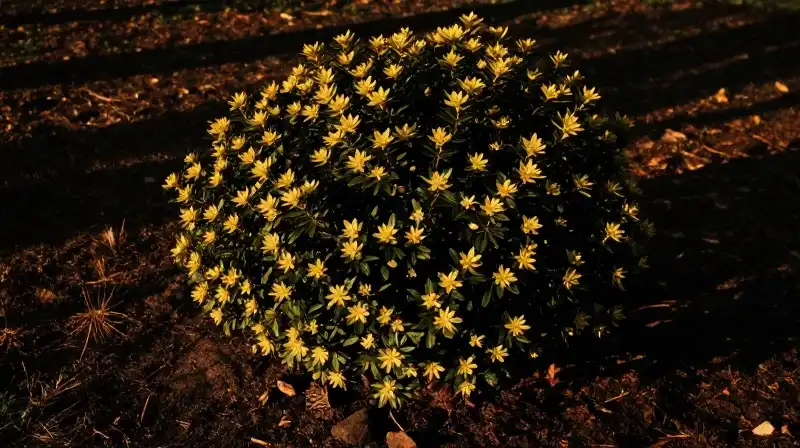
Pittosporum requires a specific combination of environmental factors to thrive. They are generally adaptable regarding their soil type, provided the drainage is perfect.
Light Requirements:
Pittosporum plants are versatile regarding light, preferring full sun or light shade. However, maximizing light exposure is key not only to growth but also to achieving those diverse and vibrant foliar colors. If your chosen location receives insufficient sun, the leaves may fail to develop their desired intensity.
Soil and Drainage:
The single most important requirement regarding soil is excellent drainage. Pittosporum plants thrive in any type of well-drained soil, but they are highly susceptible to root damage in poorly draining conditions. They are prone to developing issues when exposed to excessively wet soil, even if the surrounding area seems humid. Regularly checking the moisture level before watering is a practical necessity.
Addressing Regional Hardiness and Winter Care
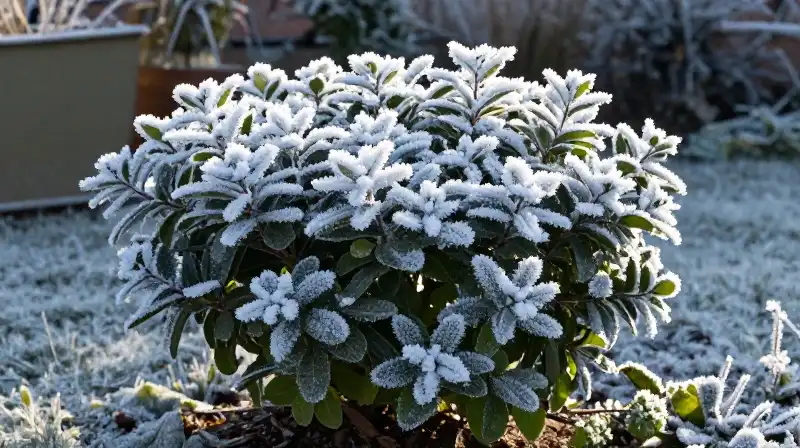
When deciding on a pittosporum plant, it is vital to assess the specific regional climate and the hardiness of the chosen cultivar. While many varieties are generally hardy across most regions of the UK, caution must be exercised.
Shelter and Exposure:
Pittosporum plants benefit from being situated in a sheltered site. While some varieties tolerate exposure, protecting them from harsh, prolonged winds is beneficial. The ideal growing environment is a balance: bright enough to promote color, yet protected enough to maintain stability and moisture levels.
Tender Varieties vs. Hardy Cultivars:
For tender varieties, especially those less adapted to colder climates, robust winter protection is non-negotiable. These plants require careful preparation and overwintering under cover to prevent frost damage. This consideration is paramount if you are planting varieties that are not explicitly labeled as hardy for your zone.
Practical Steps for Landscape Selection and Maintenance
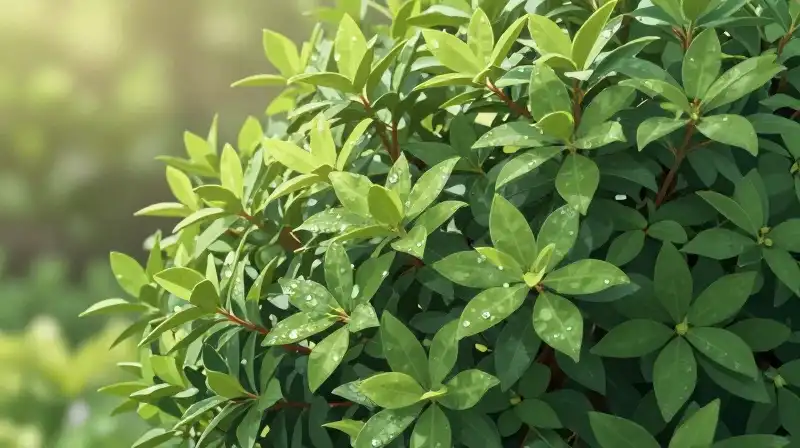
To ensure your investment in a pittosporum plant yields the desired results, follow these practical selection and maintenance criteria:
- Match the Site to the Variety: Before buying, assess your light conditions (full sun vs. light shade) and drainage. Select a variety (e.g., *P. tobira* for coastal areas or variegated types for visual pop) that is genetically suited to your specific microclimate.
- Prioritize Drainage Over Soil Type: Focus heavily on improving drainage whether your soil is sandy, heavy clay, or loam. Consider amending soil heavily with grit or compost if drainage is a concern.
- Monitor Moisture Levels: Avoid the common error of overwatering. Always allow the soil to dry slightly between deep waterings, especially during warmer months, to prevent rot.
- Protect During Extremes: In cold or high-wind locations, apply protective measures, such as winter mulching or horticultural covers, to ensure the survival of any less hardy types.
Summary of Pittosporum Success
The pittosporum plant is an incredibly rewarding choice for garden design due to its visual versatility and evergreen structure. The key to a flourishing specimen is recognizing the difference between a generic “plant” and a specific, optimized cultivar. By providing a location that balances ample light for maximum leaf color development with consistently well-drained and sheltered conditions, you ensure that your pittosporum maintains its glossy health and structural integrity. Matching the plant’s inherent needs—whether robust or tender—to your environment dictates its long-term success.
Frequently Asked Questions
How tall does pittosporum get?
The height of pittosporum depends heavily on the specific cultivar, as the genus includes both low-growing shrubs and substantial trees. Most common varieties function as medium-sized shrubs, while larger cultivars can achieve significant height and grow into substantial trees.
How to Select and Maintain a Pittosporum Plant
Match the Site to the Variety
Before buying, assess your light conditions (full sun vs. light shade) and drainage. Select a variety (e.g., P. tobira for coastal areas or variegated types for visual pop) that is genetically suited to your specific microclimate.
Prioritize Drainage Over Soil Type
Focus heavily on improving drainage whether your soil is sandy, heavy clay, or loam. Consider amending soil heavily with grit or compost if drainage is a concern.
Monitor Moisture Levels
Avoid the common error of overwatering. Always allow the soil to dry slightly between deep waterings, especially during warmer months, to prevent rot.
Protect During Extremes
In cold or high-wind locations, apply protective measures, such as winter mulching or horticultural covers, to ensure the survival of any less hardy types.
Related Articles