Coreopsis Palmata: Essential Care and Growth Requirements

Introduction
Coreopsis palmata, commonly known as Palm Coreopsis, is a robust, low-maintenance perennial native to the southeastern United States. Belonging to the Asteraceae family, this species is prized by gardeners for its striking, long-lasting, pale yellow blooms and its ability to thrive in demanding conditions. Understanding the specific requirements of this perennial—particularly its need for sun, drainage, and moisture control—is essential to ensuring a thriving garden display. This guide outlines the optimal care, growth habits, and critical considerations for cultivating Coreopsis palmata.
Coreopsis Palmata Botanical Profile and Appearance
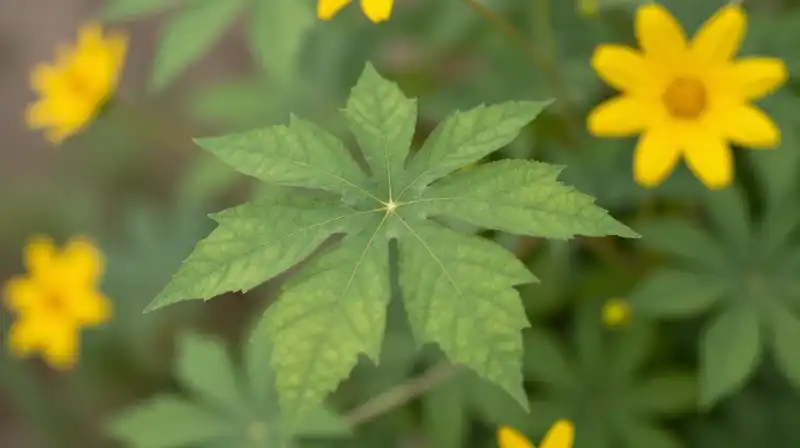
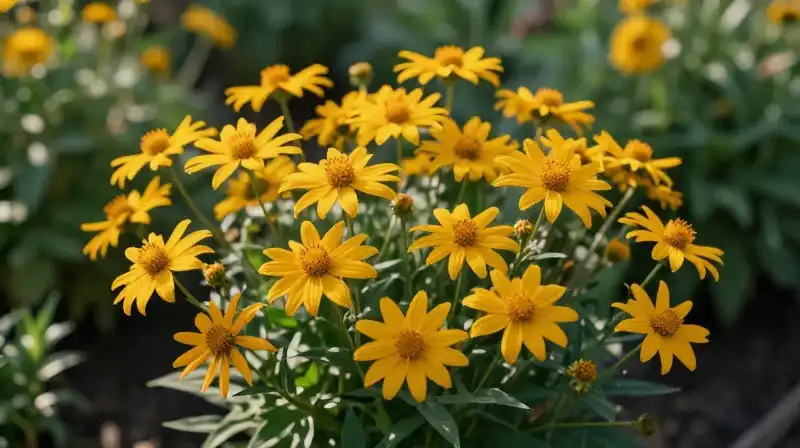
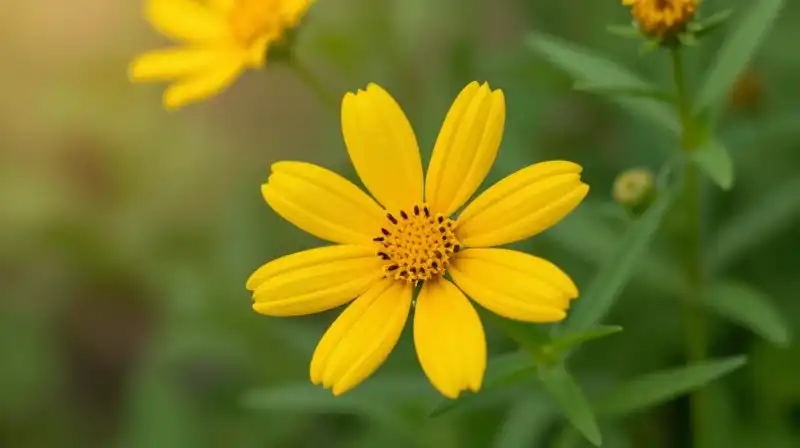
This Missouri native herbaceous perennial is defined by its cheerful, daisy-like appearance. Its flowers feature a flat yellow center disk surrounded by distinct pale yellow rays. Unlike many other coreopsis species, its robust nature and colonial growth habit make it a popular choice for naturalistic plantings and xeriscapes.
In its optimal environment, Coreopsis palmata typically reaches a height of 1.5 to 2.5 feet and spreads across a width of 1.0 to 1.5 feet. It thrives in USDA hardiness zones 3 through 8, making it widely adaptable across temperate regions.
Essential Growth Requirements and Habitat
Success with Coreopsis palmata hinges on three primary factors: sunlight, soil composition, and moisture management.
Sun and Temperature
This species requires full sun exposure to achieve its maximum bloom potential. It is highly tolerant of both heat and humidity, making it an excellent plant for warm, sunny landscapes. In fact, its preference for well-drained, drier conditions means it often performs better in drier, hotter environments than many other cultivated perennials.
Soil and Drainage: The Primary Concern
Coreopsis palmata is exceptionally tolerant of poor soil, preferring sandy, rocky, or gravelly mediums. It does not require highly fertile soil and actually benefits from less intensive fertilization. However, the single most critical requirement is excellent drainage. Because this is a rhizomatous plant that can form dense colonies, standing moisture is the quickest path to root damage.
It thrives in dry to medium moisture, but continuous dampness or highly fertile, heavy clay soil can lead to crown rot, severely limiting its lifespan.
Plant Size and Growth Habit
The plant’s rhizomatous growth means it will readily naturalize and spread, forming dense colonies when conditions are ideal. While it may be less aggressively sprawling than some groundcovers, its tendency to establish large, dense patches must be managed if restricted planting is desired.
Management and Long-Term Care

Proper maintenance ensures consistent flowering and robust health throughout the growing season.
Water and Moisture Management
During established years, Coreopsis palmata is highly drought-tolerant. Deep, occasional watering is preferred over light, frequent irrigation, especially once the plant is established. The goal is to keep the soil slightly dry between waterings to encourage the development of deep, resilient root systems.
Pruning and Bloom Management
To encourage continuous blooming through the late spring and mid-summer period, it is necessary to deadhead spent stalks promptly. This practice removes the seeds, redirecting the plant’s energy back into producing more showy flowers.
Invasive Potential and Control
While Coreopsis palmata is known for naturalizing easily in ideal conditions, it is generally considered manageable in a garden setting through careful planting and deadheading. Its rhizomatous nature means that if it is allowed to spread unchecked in a very favorable microclimate, it can quickly become dominant. Regular monitoring is key to maintaining defined borders.
Addressing Coreopsis Palmata Growth Questions
Based on common gardener inquiries, specific details regarding the plant’s behavior and size are critical for decision-making.
Does Coreopsis Palmata Spread?
Yes, Coreopsis palmata spreads through its rhizomes. This is an inherent characteristic that leads to it forming lush, large colonies rather than remaining as isolated individual plants. This spreading ability is a feature—it allows the plant to cover the ground—but it requires gardeners to consider its spread when designing confined garden beds.
Is Coreopsis Palmata Aggressive?
The term “aggressive” typically applies to species that rapidly overwhelm the landscape or outcompete other plants severely. While Coreopsis palmata is prolific and will spread readily when conditions are perfect, it is generally considered a highly adaptable and resilient garden performer rather than an invasive weed that displaces other flora. Its primary risk is overcrowding, which can limit the light and air available to surrounding, less robust plants.
How Tall Do Coreopsis Palmata Get?
In optimal growing conditions (full sun and good drainage), Coreopsis palmata typically attains a mature height between 1.5 and 2.5 feet. Its spread, or width, is usually between 1.0 and 1.5 feet, giving it a nice, mounded shape.
Cultivation Synthesis and Practical Warnings
Coreopsis palmata is an ideal perennial for low-maintenance landscapes, xeriscapes, and areas where drought resistance is needed. Its tolerance for poor, dry, rocky soil makes it significantly different from many other highly demanding flowering plants.
However, the plant’s success is conditional upon managing moisture. The key decision-making factor for any gardener planting this species is assessing the drainage of their specific location. If you are planting in heavy, poorly draining clay, it is recommended that you amend the soil heavily with coarse sand or gravel to simulate its natural habitat. Prioritization should always be given to ensuring water can move through the soil quickly to prevent the plant from succumbing to rot, regardless of how drought-tolerant it appears.
Frequently Asked Questions
Is coreopsis palmata aggressive?
Coreopsis palmata is generally considered a highly adaptable and resilient garden performer rather than an invasive weed, although it is prolific and spreads readily under ideal conditions. Its primary risk is overcrowding, which can limit the light and air available to surrounding, less robust plants.
Does coreopsis palmata spread?
Yes, Coreopsis palmata spreads through its rhizomes. This inherent characteristic allows it to form lush, large colonies rather than remaining as isolated individual plants.
How tall do coreopsis palmata get?
Coreopsis palmata typically reaches a height of 1.5 to 2.5 feet when grown in its optimal environment. It generally spreads across a width of 1.0 to 1.5 feet.
How to Cultivate Coreopsis palmata
Assess and Prepare Soil
Evaluate the drainage of the planting location. If planting in heavy, poorly draining clay, heavily amend the soil with coarse sand or gravel to simulate its natural, dry habitat.
Provide Sunlight
Ensure the plant receives full sun exposure to allow it to achieve maximum bloom potential.
Manage Moisture
Apply deep, occasional watering rather than frequent irrigation. The goal is to keep the soil slightly dry between waterings to encourage resilient root systems.
Maintain and Prune
Deadhead spent stalks promptly to remove seeds and redirect the plant's energy back into producing more flowers, ensuring continuous blooms.
Related Articles