
How to Roast Squash and Pumpkin Seeds for Crispy Snacks

Introduction
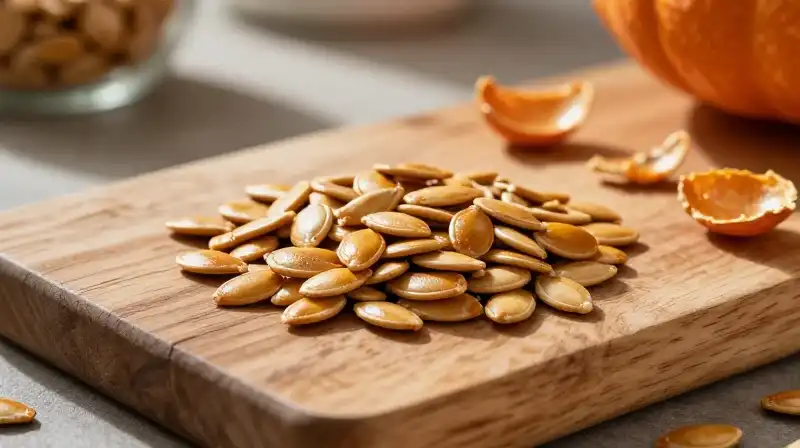
Roasting pumpkin squash seeds is a straightforward method for transforming common pantry leftovers into a savory, crunchy snack. This preparation method requires a quick understanding of seed selection and proper technique to ensure the seeds achieve a golden, crisp texture without burning. Unlike many recipes, success relies heavily on the initial condition of the seeds—they must be processed quickly and correctly to maximize flavor and cooking efficiency. This guide outlines the precise steps, temperature ranges, and critical decisions you need to make when preparing seeds for snacking.
Choosing the Right Squash and Seeds
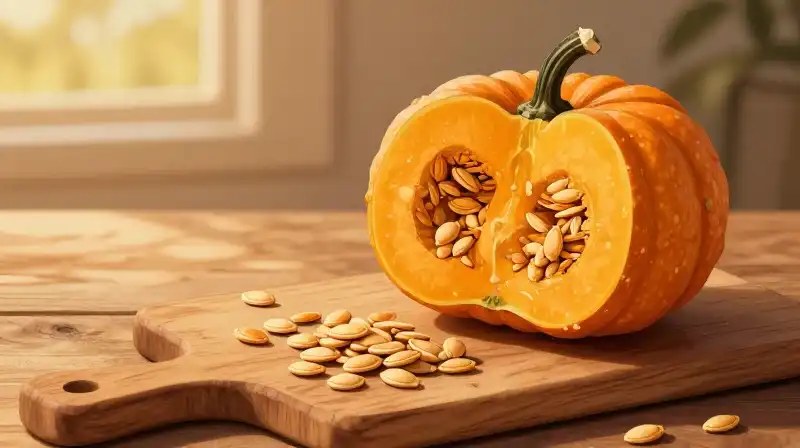
Not all squash seeds are created equal for roasting, and the choice of squash dictates the initial preparation and expected results. The summary of seed types helps define the best practices for roasting versus eating them raw.
Winter Squash vs. Summer Squash
When aiming for robust, ideal seeds for a crispy roast, winter squash is generally the superior choice. Winter squash, known for its hard outer skin, produces larger and more resilient seeds that hold up well during high-heat roasting. Conversely, summer squash, which features a soft skin and is harvested earlier in the season, typically yields smaller seeds. These smaller seeds are often better appreciated in their raw state to maintain a tender texture.
Pre-Roasting Preparation Steps
Once seeds are extracted, the immediate next steps are critical for successful roasting. Proper handling ensures optimal flavor penetration and prevents sticking during the process.
- Immediate Handling: Seeds should be roasted immediately after extraction. Do not wash or rinse them. Excess moisture severely hinders the roasting process and increases the risk of burning.
- String Removal: Carefully remove any stringy pieces from the seeds. These fibrous elements can disrupt the texture and slow down the overall cooking speed.
- Drying: While the summary does not specify a drying phase, the principle of “roast immediately” implies minimal moisture. Any excess residue must be minimal.
The Roasting Process: Temperature and Technique
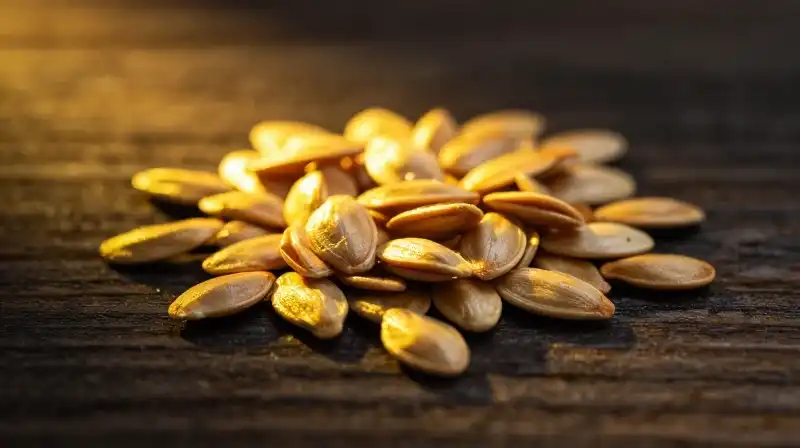
Achieving the perfect crunch requires controlling the heat and monitoring the seeds closely. Temperature and timing are less important than vigilance during the bake.
Temperature Settings and Oil Application
To prevent the seeds from burning and ensure they distribute evenly on the baking sheet, a small amount of oil is essential. This oil acts as a binder, ensuring the seeds do not clump together as they dehydrate and crisp.
- Temperature Range: Most recommendations place the roasting temperature between 350 and 450 degrees Fahrenheit. Starting at the lower end (350°F) can be safer for smaller batches, while the higher end (450°F) provides a faster, deeper crisp.
- Oil Application: Toss the prepared seeds lightly with a neutral oil. This ensures they coat evenly and promotes a consistent crispness.
Managing Roasting Time and Monitoring
Roasting time is not fixed; it is entirely dependent on the size of your seeds, their moisture content, and the heat of the oven. This is a crucial point of decision-making.
Instead of relying on a rigid timer, the practical approach is continuous monitoring. Large, robust seeds derived from winter squash will require a significantly longer cooking window compared to smaller seeds. Frequently checking the seeds—every 8 to 10 minutes—allows you to preemptively remove them at the peak crispness, preventing the dreaded overcooking and bitterness.
Flavor and Nutritional Enhancement
The simple snack can be elevated through seasoning, and the seeds offer notable nutritional value that is best appreciated once roasted.
Seasoning Strategies for Crispy Snacks
You have two practical options for flavoring your finished seeds: incorporating the seasoning before roasting, or applying it immediately afterward.
- Flavor Permeation (Pre-Roasting): Adding seasonings (like salt, smoked paprika, or chili powder) before the seeds go into the oven allows the spices to permeate the exterior during the high-heat phase, leading to deeper, integrated flavor.
- Immediate Finish (Post-Roasting): For more delicate flavors or if you prefer a purely salted finish, you can toss the roasted seeds with your desired seasoning immediately after they are taken out of the oven.
Benefits of Roasted Squash Seeds Nutrition
Roasted pumpkin squash seeds are an excellent source of fiber, healthy fats, and essential minerals. These roasted seeds are frequently cited for their nutritional density, providing a satisfying and healthy snack choice. Specific benefits include:
- High in magnesium and zinc.
- Good source of plant-based protein.
- High concentration of healthy monounsaturated fats.
Addressing Common Questions and Variations
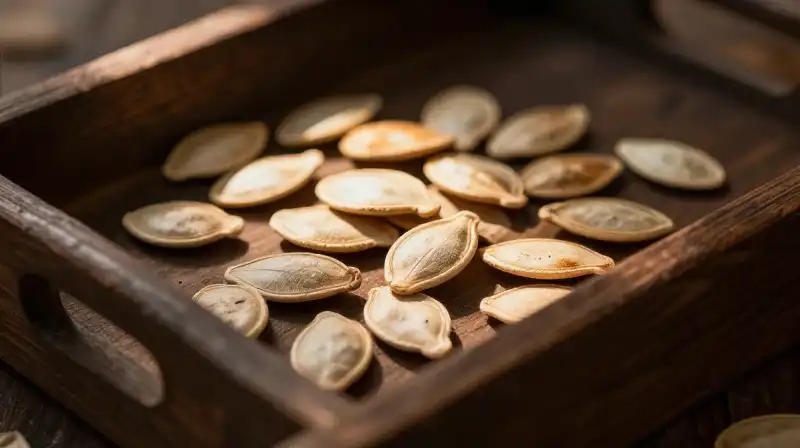
Understanding the limitations and variations of the seed preparation helps prevent confusion and sets realistic expectations for the final snack.
Are Pumpkin Squash Seeds Edible? (Verification)
Yes, pumpkin and squash seeds are highly edible and are widely consumed as a popular snack across many cultures. The process of roasting is what transforms them into a desirable, shelf-stable treat. Following the proper preparation, they are safe and delicious to eat.
Do Butternut Squash Seeds Have the Same Benefits as Pumpkin Seeds? (Comparison)
Both butternut squash and standard pumpkin seeds offer similar nutritional benefits, as they belong to the same general category of nutrient-dense seeds. However, when considering the benefits of a crispy roasted snack, butternut squash seeds typically fit the profile of winter squash—producing large, hardy seeds that are ideal for the roasting process.
Prioritizing Quality and Avoiding Common Errors
To ensure your batches of pumpkin squash seeds are always perfect, focus on these quality checkpoints and potential pitfalls.
The two most frequent errors relate to moisture and temperature control. High moisture content is the quickest way to ruin the batch, while improper heat management results in uneven cooking. Always remember that monitoring the seeds directly in the oven, rather than strictly following a predetermined timer, is the single most crucial practical step for achieving maximum crunch and flavor.
Final synthesis for success: select winter squash seeds for the most reliable roast, prep them by removing strings and handling them immediately, use oil to prevent sticking, and manage the heat dynamically based on seed size. This approach guarantees a high-quality, crispy snack every time.
Frequently Asked Questions
Are pumpkin squash seeds edible?
Yes, pumpkin and squash seeds are highly edible and are widely consumed as a popular snack across many cultures. Following the proper preparation, they are safe and delicious to eat.
Do butternut squash seeds have the same benefits as pumpkin seeds?
Both butternut squash and standard pumpkin seeds offer similar nutritional benefits because they belong to the same category of nutrient-dense seeds. However, when considering a crispy roasted snack, butternut squash seeds typically fit the profile of winter squash by producing large, hardy seeds ideal for roasting.
How to Roast Pumpkin Squash Seeds
Select and Extract Seeds
Choose winter squash seeds for the best crisp texture. Carefully extract seeds from the squash.
Clean and Dry the Seeds
Remove any stringy or fibrous pieces from the seeds. Do not wash or rinse them, as excess moisture will hinder the roasting process.
Apply Oil
Toss the prepared seeds lightly with a neutral oil to ensure even distribution and prevent clumping on the baking sheet.
Set the Oven Temperature
Preheat your oven to a temperature between 350 and 450 degrees Fahrenheit, depending on whether you prefer a safer start or a faster, deeper crisp.
Bake and Monitor
Place the seeds in the oven. Do not rely on a rigid timer; instead, monitor them continuously, checking them every 8 to 10 minutes.
Final Seasoning
After removing the seeds from the oven, apply your chosen seasoning (such as salt, paprika, or chili powder). You may also apply the seasoning before roasting if you prefer integrated flavor.
Related Articles