Seven Sisters Rose Guide: Planting, Care, and Pruning

Introduction
The Seven Sisters rose is a highly regarded multiflora heirloom known for its robust health and beautiful color transitions, making it an excellent choice for gardeners seeking a vigorous and adaptable shrub. Native to China and first brought to Britain in 1817, this plant is celebrated for its ability to thrive even in challenging conditions. However, successful cultivation of the seven sisters rose requires more than simply planting; it demands a specific understanding of its climate needs, growth stages, and precise pruning schedule. This guide provides the necessary technical knowledge to ensure your rose bush seven sisters thrives from the moment you receive it.
Climate Suitability and Frozen Ground Protocol
 Before committing to planting, verifying your local climate zone is the most critical step. While the Seven Sisters rose is known for its adaptability, it is not universally hardy. The rose is not hardy below Zone 6. If you live in an area colder than this, you must plan for protection or winter overwintering. A critical error many gardeners make is planting on frozen ground. To maximize the plant’s survival and maximize health, the rose must be allowed to overwinter naturally before it is received by the buyer. Attempting to plant a tender rose on frozen soil can severely damage the root structure and prevent proper establishment. For those in milder climates, such as Texas, while the zone suitability may be favorable, the fundamental rule remains: never plant into hard freeze.
Optimizing Environment and Growth Habits
 This rose is exceptionally robust and demonstrates adaptability, making it suitable for various environments. You should select a location that provides the following optimal conditions:
- Sunlight: The Seven Sisters thrives in full sun.
- Soil: It is highly adaptable and can flourish even in poor or average soil conditions.
- Growth Form: Depending on the local climate, the rose bush seven sisters may grow as a natural bush in cooler areas (Zone 6), or exhibit vigorous climber characteristics in warmer zones (Zone 7 and above).
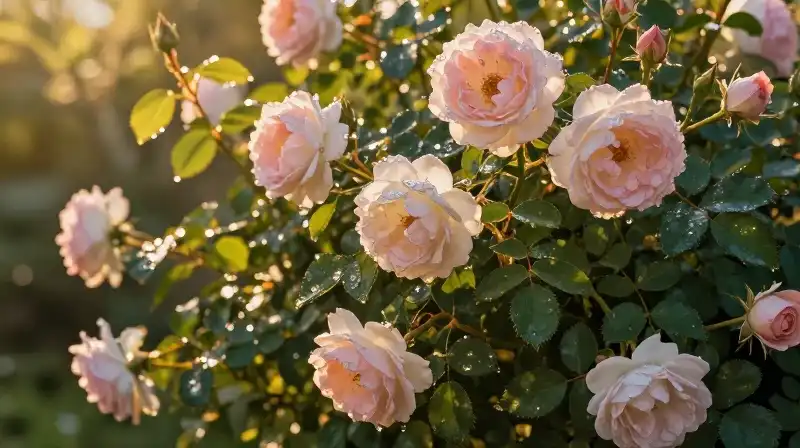
The plant’s unique blooming pattern starts in late spring, featuring small flower clusters called trusses. These trusses can hold up to seven flowers, which typically measure 1 to 2 inches across. The visual appeal is enhanced by the color change, evolving from vibrant pink buds through various shades of pink and red, finally transitioning to a creamy off-white.
The Stages of Seven Sisters Rose Pruning
Pruning the seven sisters rose requires patience, as its growth strategy differs significantly in its first three years. You should adhere strictly to the following timeline:
Initial Establishment (Years 1-3)
For the first three summers following planting, the primary focus is on establishing the root system and internal structure of the rose bush seven sisters. Do not prune the rose during this foundational period. This period encourages natural, vigorous growth necessary for future productivity.
Mature Pruning Cycle
After the third summer, the rose is mature and is ready for its first formal structural pruning. This process should be performed in late winter. The goal is to remove any dead, diseased, or damaged canes. Once the plant is fully mature, annual maintenance pruning is required. The recommended method is to cut back all canes by approximately one-third. To ensure effective pruning and prevent bacterial infection, always use sharp, clean pruners and make a precise 45° cut. This technique is vital because the rose primarily produces blooms on canes generated from the previous year’s growth.
Logistics and Planting Timeframes
 Understanding the commercial and seasonal timelines is crucial for successful planting. The shipment of the seven sisters rose typically occurs during the growing season, spanning September through May. At the point of checkout, you must select a specific delivery timeframe. Upon receiving your shipment, you must ensure the plant is ready for immediate planting near your designated planting date. Because of the plant’s needs regarding ground temperature, receiving the plant and then delaying planting until temperatures warm up is highly advisable.
Practical Synthesis for Success
 Successfully growing the seven sisters rose is a balance of environmental preparedness, patience, and precise maintenance. The most important prerequisites for success are:
- Verification: Confirm your climate zone is at least 6 and that the growing period aligns with the Sept-May shipment season.
- Patience: Allow the plant to grow undisturbed for three full years before implementing heavy pruning.
- Protection: Never plant the plant when the ground is frozen. Wait for soil temperatures to reach a safe threshold, especially during overwinter periods.
By adhering to these guidelines, you leverage the Seven Sisters rose’ natural resilience while ensuring it reaches its full potential of vigorous growth and abundant blooms.
Explore more: Dia de los Muertos Skull Designs: Symbols and Artistic Inspi
How to Successfully Cultivate a Seven Sisters Rose
Verify Climate and Timing
Confirm that your local climate zone is at least 6 and ensure your planting aligns with the September through May shipment season.
Await Optimal Soil Conditions
Never plant the rose into hard freeze. Wait for soil temperatures to warm up to a safe threshold to prevent damage to the root structure.
Establish Initial Growth
During the first three summers following planting, do not prune the rose. Allow it to grow naturally to establish a vigorous root system and internal structure.
Begin Mature Structural Pruning
After the third summer, prune the rose in late winter. Remove any dead, diseased, or damaged canes to initiate its mature cycle.
Perform Annual Maintenance Pruning
Once fully mature, cut back all canes by approximately one-third. Use sharp, clean pruners and make a precise 45° cut to encourage new bloom generation.
Select Optimal Location
Position the Seven Sisters rose in a location that provides full sun and suits its expected growth form (bush in cooler areas, climber in warmer zones).
Related Articles