
The Best Good Tasting Tomatoes: Selection Guide and Reviews

Introduction
Choosing a truly “good tasting” tomato is inherently subjective, as flavor preferences range from rich and smoky to crisp and intensely sweet. The perfect tomato depends heavily on how it will be used, the conditions in which it is grown, and the specific sensory profile the gardener or consumer desires. While flavor is often the primary motivator, factors like yield, texture, and disease resistance are critical for a successful harvest. This guide provides a practical selection framework, reviewing top varieties to help you choose the right tomato based on your specific needs—whether you are prioritizing complex, deep heirloom tastes or maximizing production under challenging conditions.
The Fundamental Criteria for Tomato Selection
Before reviewing specific varieties, understanding what defines a superior tomato will help you make an informed decision. Quality is measured through several key sensory markers, each serving a distinct function.
Understanding Flavor Profiles
Ideal heirloom tomatoes are characterized by a complex, bold, and fully realized flavor that avoids timid notes. When assessing a variety, consider:
- Deep, Nostalgic Richness: Varieties offering smoky or dark complexity (e.g., Carbon, 1884).
- Balanced Robustness: Tomatoes with a harmonious blend of sweet and acidic notes (e.g., Brandywine).
- Exotic Brightness: Profiles featuring unique characteristics like a citrusy punch or a spicy, sweet combination (e.g., Jaune Flamme, Aunt Ruby’s German Green).
Evaluating Texture and Texture
Texture dictates the eating experience. For fresh consumption, you want firm and meaty flesh. For processing, a specific texture is needed:
- Silky and Juicy: Common in larger, high-quality eating tomatoes.
- Firm and Meaty: Preferred for slicing and sandwiches.
- High Yield, Low Water: Essential for paste and cooking, as it reduces processing time and preserves flavor intensity after cooking.
Heirloom Varieties: The Search for Complex Flavor
For those who prioritize intensity and complexity over high yields, classic heirlooms offer a deep, unique taste that standard hybrids often lack. These varieties are the benchmark for bold flavor.
| Variety | Flavor Profile | Ideal Usage | Key Characteristic |
|---|---|---|---|
| Cherokee Purple | Deep, rich, intense, and complex | Fresh eating, slicing | Highly valued for its unique, smoky flavor |
| Brandywine | Perfectly balanced sweet and tart | Slicing, BLTs | Renowned for its nuanced, complex sweetness |
| Carbon / Paul Robeson | Dark, bold, deeply rich | Fresh eating, intense flavor | Celebrated for its profound depth and color |
Sweet & Child-Friendly: Best for Snacking
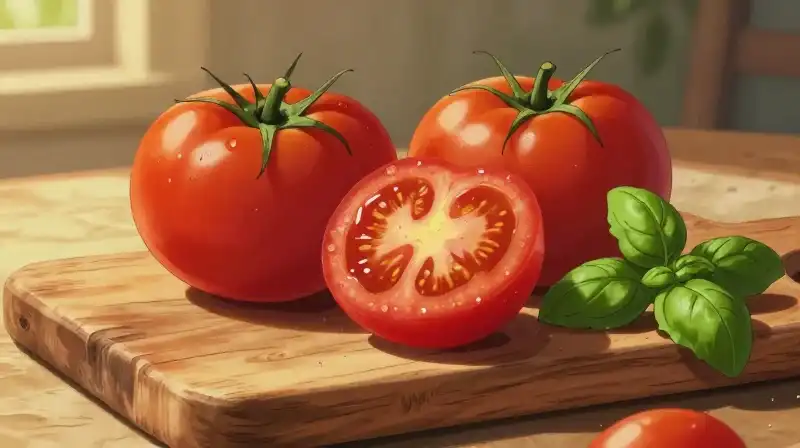
If the primary goal is a highly palatable, gentle, and intensely sweet tomato, specific cultivars excel. These varieties are often popular with children or those who prefer a less acidic taste.
Sungold and Kellogg’s Breakfast
These varieties are leaders in sweetness. Sungold is noted specifically for its highly sweet flavor, making it ideal for casual snacking. Kellogg’s Breakfast offers a sunny, massive, and fantastic sweetness coupled with excellent meaty texture and high lycopene content.
Cherry & Bi-Color Varieties
For smaller, bite-sized flavor, these options perform exceptionally well:
- Black Cherry: Delivers a rich, sweet flavor with an excellent textural balance, perfect for cherry-style usage.
- Peacevine Cherry: A high-production cherry variety known for a sweet flavor and good resistance to cracking.
- Big Rainbow: A bi-color option valued for its sweet, mild flavor and generally low acidity.
Performance and Climate Resilience
When cultivating tomatoes, performance—meaning how they handle heat and humidity—is as important as the flavor itself. These varieties offer robust production and reliability in challenging environments.
Eva Purple Ball is a top recommendation for challenging growing conditions. It features a high yield and excellent disease resistance, complemented by a tender texture that allows for consistent production in hot and humid climates.
Similarly, varieties designed for production often prioritize output and durability over subtle flavor nuances. Midnight Roma is a superior choice for intensive cooking and paste applications, as it provides a robust flavor after processing and achieves a high yield while remaining compact. For reliable high-production harvests, Green Giant stands out for producing uniform, large fruit with a smooth texture.
Purpose-Specific Champions
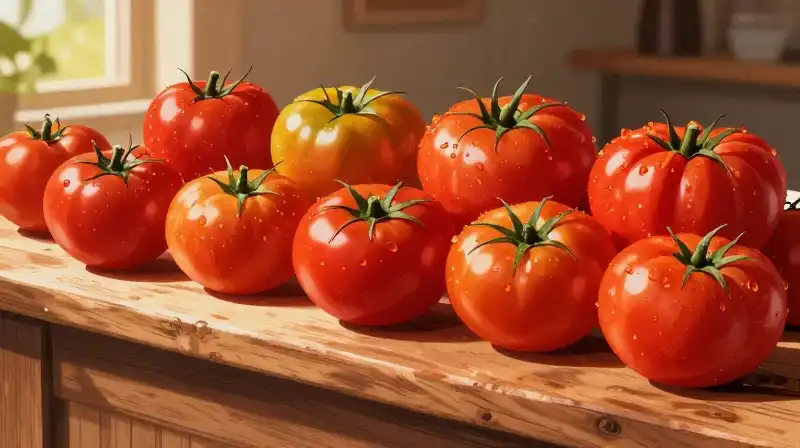
Decisions about which tomato to buy depend on the intended culinary application. Here is a breakdown by use case:
Best Tomatoes for Eating Raw and Slicing
These require a perfect balance of flavor, texture, and shape. Cherokee Purple is the gold standard for fresh, deep flavor. Brandywine is excellent for elegant slicing, and Dr. Wyche’s Yellow is noted for its bright, complex flavor when consumed raw.
Best Tomatoes for Cooking and Paste Applications
For industrial or long-cooking processes, the priority shifts to yield, low water content, and robust flavor retention. Midnight Roma is the best-in-class choice for reliable paste production. Italian Heirloom is also highly valued for its dual-purpose quality, providing a rich, meaty flavor suitable for sauces.
Best for Maximum Sweetness and Kid-Friendly Eating
Focus on cultivars that prioritize natural sugars. Sungold remains a favorite for its highly accessible, sweet flavor profile.
Quick Reference Comparison
This table summarizes the primary function and strengths of the most highly recommended varieties:
| Variety | Primary Strength | Primary Use | Priority Attribute |
|---|---|---|---|
| Cherokee Purple | Deep, complex flavor | Fresh Slicing | Flavor Intensity |
| Midnight Roma | High yield, robust flavor retention | Paste, Cooking | Production Reliability |
| Sungold | Highly sweet profile | Snacking, Casual Eating | Sweetness |
| Eva Purple Ball | High yield, disease resistance | All-season production | Climate Resilience |
| Brandywine | Balanced tart/sweet flavor | Slicing, Sandwiches | Flavor Nuance |
Practical Selection Guide: Final Considerations
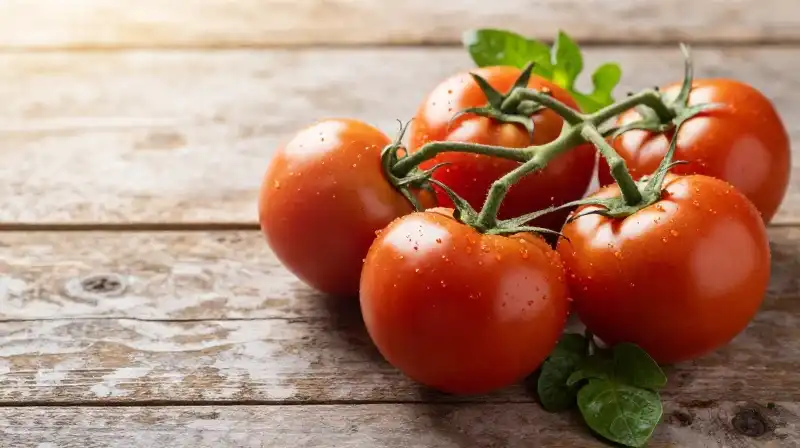
When choosing your tomato, remember that flavor preference is ultimately subjective. While a tomato must meet basic standards of peak ripeness, its final appeal lies in its sensory profile. Do not solely rely on size; sometimes the smallest varieties deliver the most unexpected intensity.
If you are planning a garden, assess your local microclimate. In high heat and humidity, select disease-resistant types like Eva Purple Ball. If you are shopping at a market, look for indicators of ripeness that allow you to taste the fruit, as the quality of the internal flavor varies significantly between varieties.
For ultimate success, identify your top two priorities: Is it intense complexity (Heirloom) or reliable production (High Yield)? Your choice of the best good tasting tomatoes should align with this primary goal, ensuring your final harvest meets both your taste and productivity expectations.
How to choose the best tasting tomato variety
Identify Priorities
Decide whether you prioritize flavor intensity (Heirloom) or reliable, high production (High Yield).
Evaluate Cultivation Conditions (If Gardening)
Assess your local microclimate and select disease-resistant types that can handle high heat and humidity.
Assess Ripeness (If Shopping)
Look for clear indicators of ripeness and take the opportunity to taste the fruit to gauge internal quality and flavor, as flavor varies significantly between varieties.
Related Articles