Planter Liners: How to Stop Rust and Protect Your Plants

Introduction
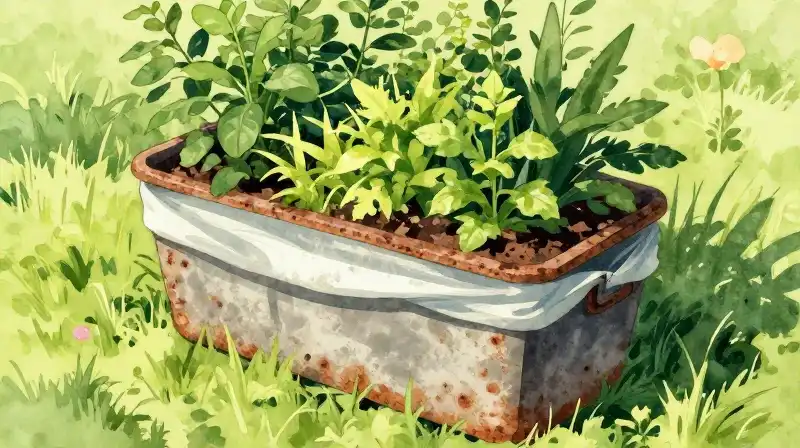
Metal planters, while aesthetically pleasing and durable, pose a hidden risk to plant health if left unprotected. The continuous contact between standing water and the interior metal surfaces initiates a process of oxidation—rust. This isn’t merely a cosmetic issue; as the metal rust, various chemical compounds, particularly iron, leach into the soil. To maintain vibrant growth, prevent soil contamination, and ensure the longevity of your container, understanding why and how to use a quality planter liner is essential.
A liner acts as a crucial protective barrier, severing the direct path between moisture and the metal. By preventing rust and subsequent chemical migration, you safeguard your plants’ ability to absorb nutrients and extend the lifespan of your garden containers.
The Connection Between Rust and Plant Toxicity
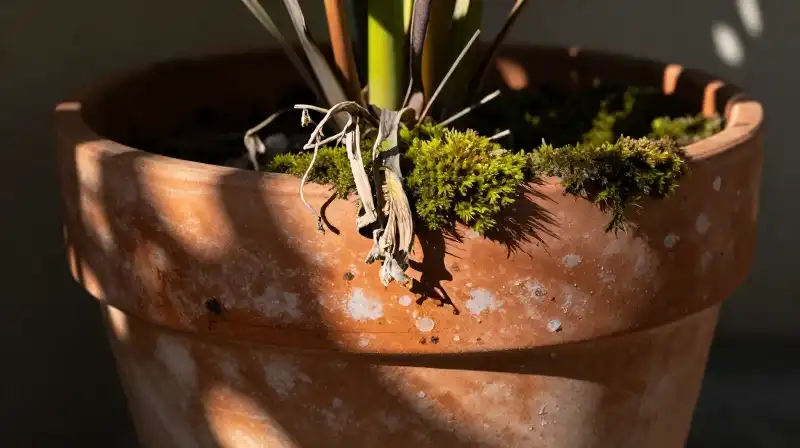
When a metal planter begins to rust, it undergoes chemical transformation, releasing heavy metal particulates into the watering medium. This phenomenon is known as leaching. While the rust itself may look unsightly, the real danger lies in the accumulation of these minerals—such as iron—in the soil. Over time, this concentration of heavy metals and accumulated minerals can create a toxic environment.
Heavy metal presence interferes with the delicate processes of plant biology. Specifically, these substances can block the root system from effectively absorbing essential macronutrients, most notably nitrogen and potassium. When a plant cannot properly absorb these vital elements, its natural growth and development are severely hampered.
Recognizing the Symptoms of Soil Imbalance
Because nutrient uptake is inhibited by chemical imbalance, plants often show distinct, observable signs of distress. Recognizing these symptoms early allows you to identify the root cause, which is frequently related to soil contamination rather than simple overwatering or neglect.
- Stunted Growth: The plant fails to reach its potential height or size, resulting in a compact, underdeveloped structure.
- Foliage Chlorosis: Leaves may turn yellow or pale (chlorosis) prematurely, especially on older leaves, indicating a lack of vital nutrients.
- Weak Structure: Branches or stems may lack structural integrity, making the plant susceptible to environmental stresses like wind.
Choosing the Right Planter Liner Material
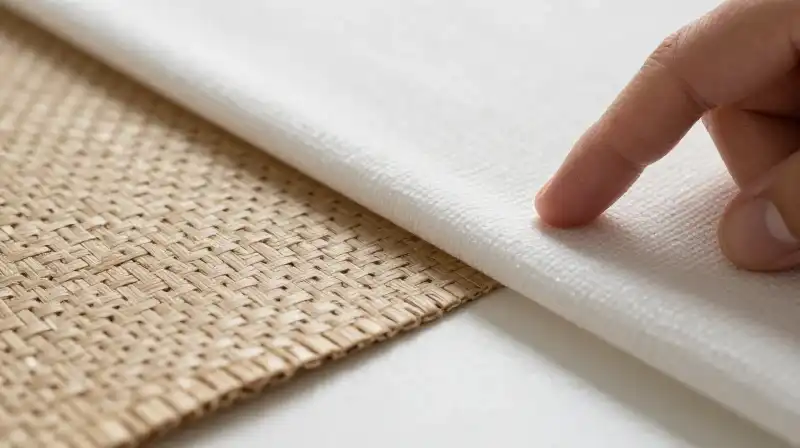
The variety of planter liner materials allows gardeners to choose a solution that fits their specific needs, whether maximizing structural protection, providing added nutrition, or prioritizing lightweight design. Selecting the appropriate liner depends on the planter type, required durability, and specific environmental goals.
| Material | Primary Function | Key Attributes |
|---|---|---|
| HDPE/Poly-Pro Plastic | Non-Permeable Barrier | Excellent protection against moisture; prevents chemical leaching from the metal or wood structure. |
| Fiberglass | Durable Protection | Lightweight and highly resistant to environmental decay; often available with integrated drainage options. |
| Coco Liners | Nutritional Enhancement | Made from natural coconut husks; may contain ingredients designed to boost soil nutrition, ideal for wrought-iron hayrack planters. |
| Metal Liners | Aesthetic/Standalone | Can serve as attractive inserts or independent planters; suitable for use with fitted reservoir systems. |
Beyond Rust: Multifunctional Benefits of Liners
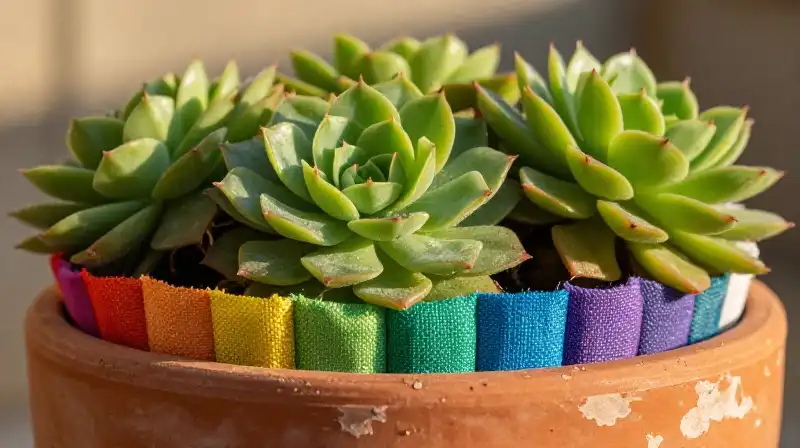
While rust prevention is the primary function, modern planter liners offer broader utility that supports organized and efficient gardening. Liners address risks associated with multiple types of containers, not just metal.
Protecting Wood and Extending Lifespan
Many liners, specifically those made from non-permeable Poly-Pro plastics, are engineered to prevent water from soaking into the wood of a box planter. This stops the rot and decay caused by persistent moisture, significantly extending the lifespan of the wooden structure.
Optimizing Maintenance and Movement
By using a durable liner, gardeners can easily pot individual plants within the liner, rather than dealing with the entire heavy container. This simplifies the process of seasonal rotation, moving plants to sunnier spots, or harvesting. The liner also contains the potting medium, allowing for easier transplanting of individual specimens.
Assessing Liner Quality and Structural Integrity
When evaluating quality, consider the liner’s design features. Reputable liners often include structural elements like ridged panels to ensure ruggedness and proper airflow. They are also typically manufactured using lightweight, recyclable materials and treated with UV protection, which prevents fading and degradation under direct sunlight.
Summary of Practical Application and Prevention
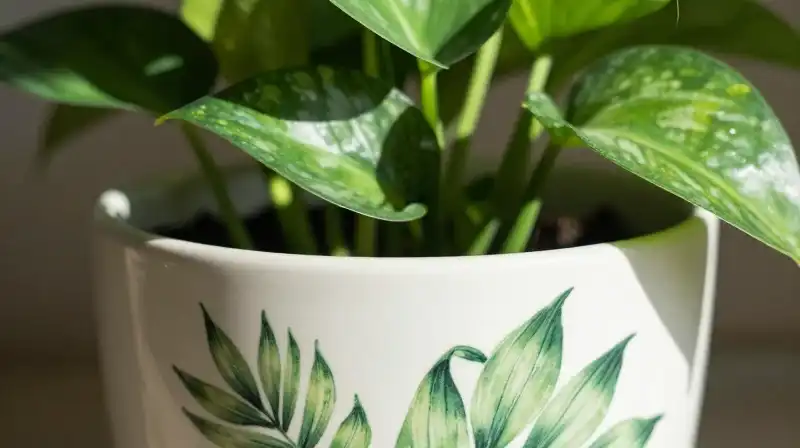
To ensure optimal plant health and container longevity, the critical rule is preventing direct contact between standing water and the planter’s vulnerable inner surfaces. Planter liners—available in various sizes for everything from small windowsills to large garden beds—fulfill this role as protective barriers. Whether you choose a high-grade Poly-Pro plastic for absolute moisture exclusion or a nutrient-enhancing Coco liner, the decision hinges on what you wish to protect and maintain. Utilizing these specialized barriers provides a structured, predictable way to manage moisture and nutrients, allowing you to focus on cultivating healthy, vigorous blooms without the constant threat of chemical interference or container deterioration.
Related Articles