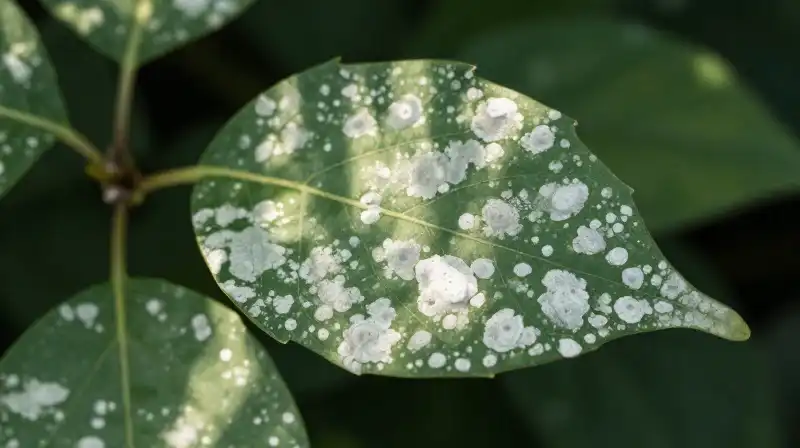
Controlling Tickweed: Biocontrol, Chemical, and Cultural Strategies


Introduction
Tickweed (*Cleome viscosa*) presents a significant agricultural challenge due to its invasive nature and aggressive seed dispersal. These weeds are characterized by sticky fruits that facilitate widespread spread, often establishing themselves in hot, humid environments across varied soil types. Since effective biological control agents or natural enemies have not been identified for Tickweed, managing this noxious weed requires an integrated strategy. Control is not dependent on a single method but rather on combining cultural vigilance, strategic chemical application, and rigorous preventative hygiene protocols.
The Role of Cultural and Mechanical Control
 Cultural methods are the cornerstone of Tickweed management, requiring consistent, proactive effort. While they may be labor-intensive, they offer precise control and prevent the establishment of new infestations, particularly in high-value crop areas.
Manual and Physical Removal Strategies
For small infestations or initial seedling management, mechanical removal is highly effective. This involves several practical approaches:
- Hand Weeding: This method provides targeted removal, ensuring the entire root system is extracted.
- Hoeing: Periodic mechanical disturbance can remove surface growth and suppress early seedling development.
- Targeted Removal: Because Tickweed can grow across various soil types, repeated checks are necessary to ensure no new seedlings are missed.
Utilizing Mulching for Growth Suppression
A deep, continuous layer of mulch acts as a physical barrier, suppressing the germination and growth of Tickweed seedlings. Applying a thickness of 5–10 cm of organic material can significantly reduce weed pressure without chemical intervention. This method is a vital component of preventing the weed’s initial foothold.
Chemical Control and Herbicide Protocols
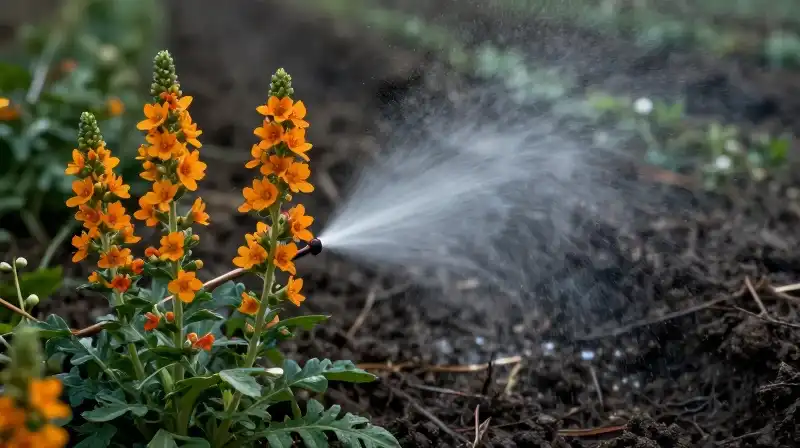 When physical removal is not feasible for large-scale infested areas, targeted herbicide application provides necessary control. Chemical management must be approached with regional awareness, as specific availability and regulatory approvals for products differ significantly between regions like Australia or the European Union.
Recommended Chemical Agents
Several herbicides have demonstrated efficacy against Tickweed. Based on common agricultural recommendations, products such as:
- Metribuzin
- Trifluralin
- Oxadiazon
These agents are typically used to manage the weed before it becomes fully mature and establishes a robust seed bank.
Operational Requirements for Chemical Safety
Proper pesticide use is non-negotiable and requires strict adherence to guidelines to ensure safety and efficacy:
- Label Compliance: Always follow the product label precisely regarding required dosage, timing of application, and application frequency.
- Mandatory Protection: Utilize all mandated protective clothing and follow the specified safety protocols to minimize exposure.
- Expert Consultation: Engage local agricultural authorities or specialists. They can provide guidance on the most appropriate herbicides for specific crop types and complex cultivation systems in your region.
Preventing Spread Through Hygiene and Protocol
Due to the highly invasive and sticky nature of Tickweed’s fruits, preventing the movement of seeds between infested and clear areas is perhaps the most critical component of management.
Controlling Contamination Via Machinery
The easy spread of Tickweed often occurs through the movement of contaminated vehicles and farm machinery. Strict hygiene protocols are essential:
- Washing Gear: Thoroughly wash all farm machinery, boots, and vehicles before moving between an infested site and a weed-free zone.
- Prevent Seed Transfer: Even small seeds adhering to tires or equipment can rapidly establish new, remote infestations.
Tickweed Management vs. Alternative Weeds
 It is important to distinguish Tickweed from other common weeds, as these can confuse identification and management efforts. For instance, common confusion may arise with certain varieties of tickseed (Coreopsis or Coreopsis perennial varieties), which are part of the Asteraceae family but lack the invasive traits of *Cleome viscosa*. Accurate identification is necessary before applying any treatment.
Integrated Weed Management (IWM) Strategy
Controlling Tickweed is a dynamic process that cannot rely on a “cure.” A successful, long-term strategy utilizes Integrated Weed Management (IWM), integrating multiple tactics to reduce reliance on any single method. | Control Method | Primary Action | Best Scenario | Key Limitation | | :--- | :--- | :--- | :--- | | Cultural/Mechanical | Root extraction, surface suppression | Small, localized patches | Labor-intensive, requires vigilance | | Mulching | Seedling growth inhibition | Preventing initial establishment | Requires consistent maintenance | | Chemical | Mass eradication of existing plants | Large, dense infestations | Requires regional legal approval, environmental impact | | Hygiene | Preventing transport of seeds | All farm operations | Does not remove existing infestation | The most effective management plan for Tickweed mandates the constant washing of equipment and continuous monitoring, supplemented by chemical or cultural interventions as the infestation requires. Local expert advice remains the final, necessary step to tailor these strategies effectively.
How to Manage Tickweed Infestations using Integrated Weed Management
Assess and Identify Infestation
Accurately identify Tickweed (*Cleome viscosa*) and determine the scale of the infestation to choose the appropriate management strategy.
Implement Cultural and Mechanical Control
For small infestations or prevention, use manual or physical removal methods (hand weeding, hoeing) and apply a 5–10 cm layer of organic mulch to suppress germination.
Apply Targeted Chemical Control (if necessary)
For large-scale infested areas, use targeted herbicides (e.g., Metribuzin, Trifluralin) only after adhering strictly to the product label regarding dosage, timing, and safety.
Ensure Strict Hygiene Protocols
Prevent seed spread by thoroughly washing all farm machinery, boots, and vehicles before moving between infested sites and weed-free zones.
Consult Local Experts
Engage local agricultural authorities or specialists to receive guidance on the most appropriate and compliant strategy for your specific region and crop types.
Related Articles