
Ant Killer for Yard: Choosing the Best Lawn Solution

Introduction
When dealing with ants invading your garden or household entry points, selecting the correct ant killer for yard use is not just about volume—it is about matching the treatment to the specific species and the severity of the infestation. A generic spray that works on minor ants may be ineffective against established colonies of fire ants or the structural threats posed by carpenter ants. Effective outdoor ant control requires a strategic choice between surface treatments, targeted baits, or granular systems. The primary goal is ensuring that your solution provides lasting eradication from the perimeter of your property rather than just temporary removal.
Understanding the Target: Ant Behavior and Types
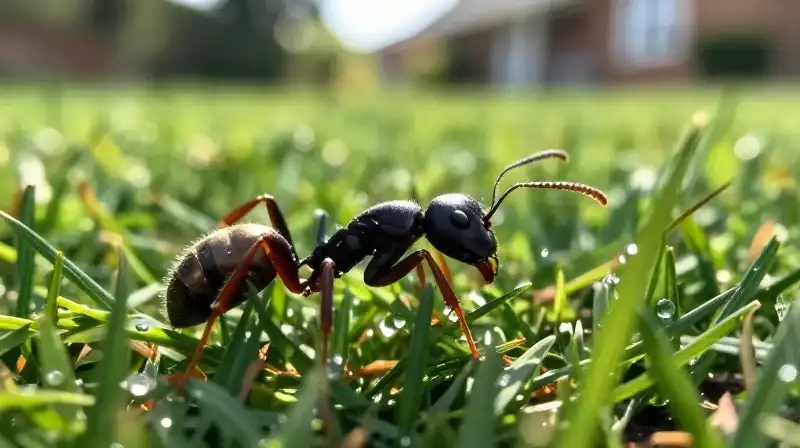
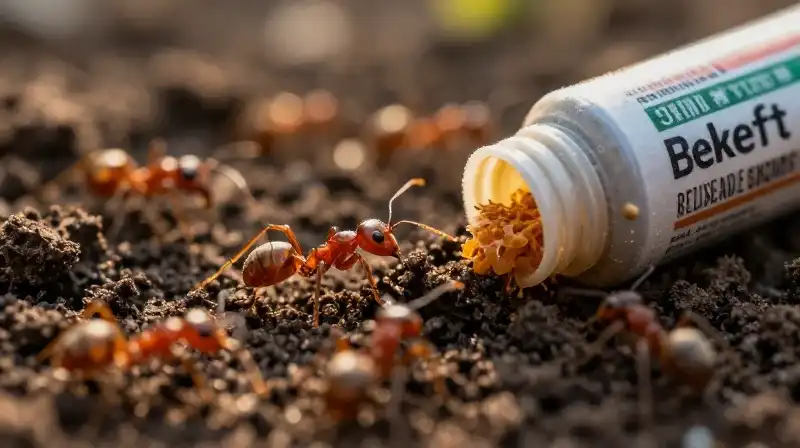 Choosing the best lawn solution first requires identifying your adversary. Different ants exhibit different behaviors, and their biology dictates which products will be most successful. Many consumers assume all ants are identical, but the approaches for treating these groups differ significantly.
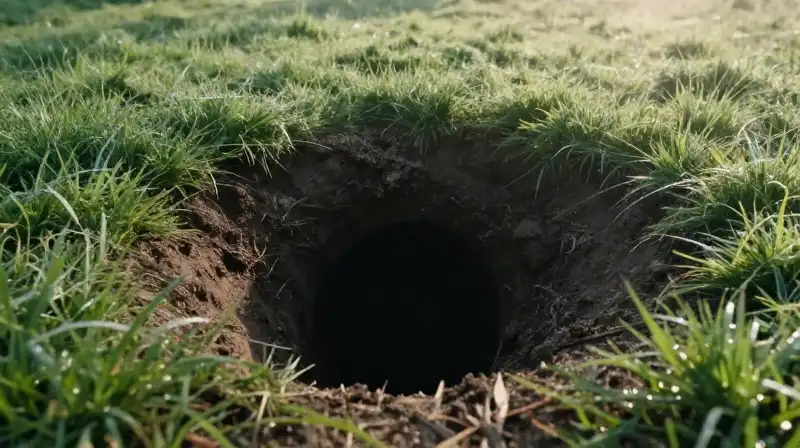
For example, **fire ants** (Solenopsis species) are aggressive and highly territorial. They leave recognizable mound structures and often attack during the day. Controlling them requires products that are attractive to the entire colony, not just the foraging workers. Conversely, **carpenter ants** (Camponotus species) are known for their ability to nest in wood, often near foundations or trees. Because they are seeking protected shelter, surface sprays on the ground may only be a short-term fix.
Furthermore, some ants are attracted to specific types of substances. **Termiticides** are sometimes confused with robust ant solutions, but these are specifically designed to target termites, which require a different chemical mechanism to disrupt the subterranean lifecycle. Recognizing the specific pest is the crucial first step in selecting an effective ant killer for yards.
Strategic Ant Control Methods Compared
Modern ant control solutions are categorized by how they are applied and how the poison reaches the colony. The three primary methods—Baiting, Granular Treatments, and Dust/Spray Applications—serve distinct purposes.
| Method | Mechanism | Best For | Practical Application |
|---|---|---|---|
| Baits | Worker ants take the slow-acting poison back to the queen and colony, ensuring total eradication. | Highly organized species like aggressive fire ants. | Localized areas, feeding points, or mound entrances. |
| Granular (Area Treatment) | Kills ants on contact or by continuous ground application, targeting foragers. | Widespread perimeter control and preventative measures (ant killer for lawns). | Broadcast application across large grassy areas or defined borders. |
| Dust/Spot Spray | Provides immediate knockdown and targets accessible entry points. | Established, visible trails or small interior entry points. | Direct application into cracks, gaps, or along foundation edges. |
Selecting the Right Solution for Your Yard Scenario
 The decision to purchase an ant killer for yard use should be based on the infestation’s current status: early detection versus an established colony.
Early Detection and Prevention: If you see minor trails or small groups of ants, proactive granular treatments are ideal. These are designed to create a barrier, making them excellent for preventative lawn care and covering wide swathes of grass to deter initial foraging.
Targeting Aggressive Colonies: When facing severe issues like fire ants, a bait system is often the most efficient solution. Baits allow the “scout” ants to transport the poison to the central nest, ensuring the removal of the entire reproductive cycle, which is something broad sprays rarely achieve. This method is focused on eradication, not just extermination.
Interior-to-Exterior Management: If ants are primarily entering your home, a combination of spot dust insecticide (for localized entry points under siding or near windows) and perimeter granular treatments (to keep them out of the garden) is the most effective multi-stage approach.
Best Practices for Applying Ant Killers for Lawns
Optimal application timing and method are as important as the product itself. Following standard procedure ensures efficacy and safety.
- Timing the Application: For most ant species, daytime activity is the peak foraging period. Apply granular treatments or baits early in the morning or late in the evening when ants are most active. This increases the likelihood of the poison being consumed or contacting the colony.
- Following Specific Instructions: Granular treatments should be applied according to the depth and area specifications on the packaging. Over-application is unnecessary and can damage desirable plants.
- Protecting Non-Target Wildlife: When applying ant killer for yard use, avoid spraying near areas frequented by pets or children. Do not apply to flowering plants unless the label specifically states that the product is safe for flora.
- Reapplication Frequency: Depending on the product and the species, persistent ant issues may require re-application every several weeks. Check the specific product instructions for required intervals.
Avoiding Common Lawn Pest Control Mistakes
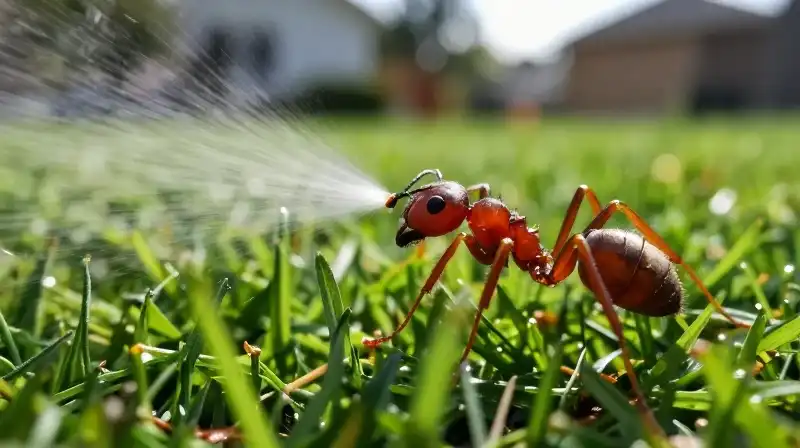 Misunderstanding the limitations of ant killers can lead to frustrating and expensive cycles of re-infestation. Several common errors should be avoided to ensure the efficacy of your solution.
Mistake 1: Relying Only on Knockdown Sprays: While quick sprays can kill visible ants, they rarely affect the queen or the eggs deep within the nest. Unless the ants are entirely surface-level, these sprays only provide a temporary, cosmetic fix.
Mistake 2: Ignoring Entry Points: Most ant infestations start small. If you overlook the specific path or weak point where they are entering the yard, subsequent treatments will merely catch them after they have already established a foothold. Inspect foundations and landscaping regularly.
Mistake 3: Using the Wrong Chemical Type: Using a general insecticide designed for garden insects when targeting highly organized pest species like carpenter ants or fire ants can be ineffective because the chemical may not disrupt their specific lifecycle or behavioral patterns. Always check the target pest list on the label.
Choosing Sustainable and Integrated Pest Management
For long-term yard health, selecting an ant killer for yard use should be part of a broader Integrated Pest Management (IPM) strategy. This approach minimizes chemical dependence by incorporating physical and biological deterrents.
- Physical Barriers: Ensure that landscaped garden beds have proper barriers that prevent direct soil contact where ants gather.
- Hygienic Practices: Regularly clear yard debris, rotting wood, and fallen fruit from the area, as these provide perfect nesting and feeding grounds for ants.
- Biological Controls: In severe, repetitive cases, professional assessment may be required, as some ants require highly specialized treatments or colony-targeting methods beyond consumer-grade granular products.
Ultimately, success with ant control is determined by moving beyond simple eradication to structural prevention. By correctly identifying the ant species and choosing the matching control method—whether a localized bait for fire ants or a broad granular treatment for general yard security—you can develop a resilient lawn protected from the persistent threat of invasion.
Best Practices for Applying Ant Killers for Lawns
Timing the Application
Apply granular treatments or baits early in the morning or late in the evening when ants are most active to increase the likelihood of the poison being consumed or contacting the colony.
Following Specific Instructions
Apply granular treatments according to the depth and area specifications found on the packaging to avoid unnecessary over-application and damage to desirable plants.
Protecting Non-Target Wildlife
When applying ant killer for yard use, avoid spraying near areas frequented by pets or children, and do not apply to flowering plants unless the label specifically states the product is safe for flora.
Reapplication Frequency
Depending on the product and the species, persistent ant issues may require re-application every several weeks; check the specific product instructions for required intervals.
Related Articles