Thunderhead Pine Care: Growing, Design, and Health Guide

Introduction
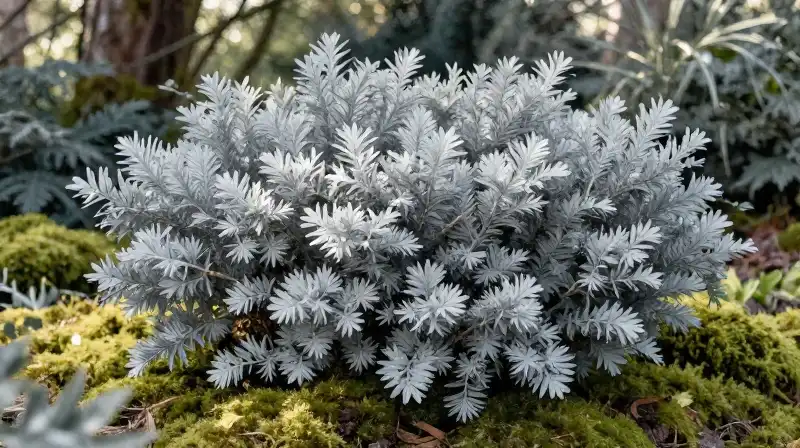
The Thunderhead Pine, a compact cultivar of the Japanese Black Pine (*Pinus thunbergii*), offers a striking combination of dense form and architectural elegance. Known for its evergreen nature, glossy foliage, and distinctive silver-white new growth, this conifer is highly valued by designers looking to introduce a strong focal point without requiring vast amounts of space. While its general appeal is clear, successful cultivation requires understanding its specific growth habits, environmental needs, and the common threats it faces. This guide provides detailed guidance on how to select, plant, and maintain a Thunderhead Pine to ensure it thrives in your landscape or courtyard.
Identifying the Thunderhead Pine Cultivar
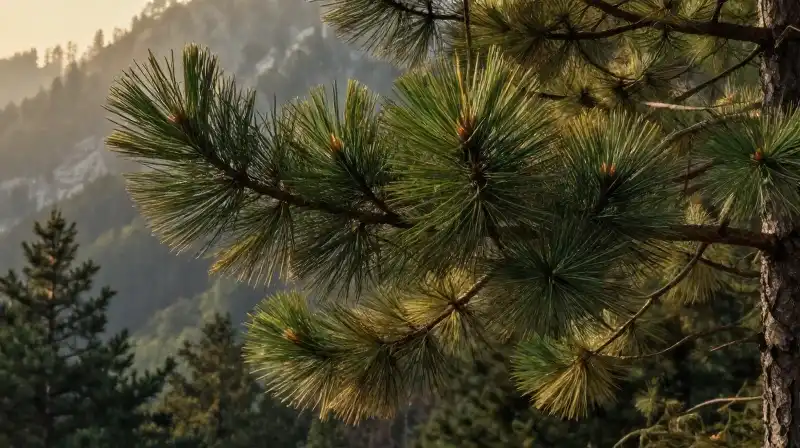
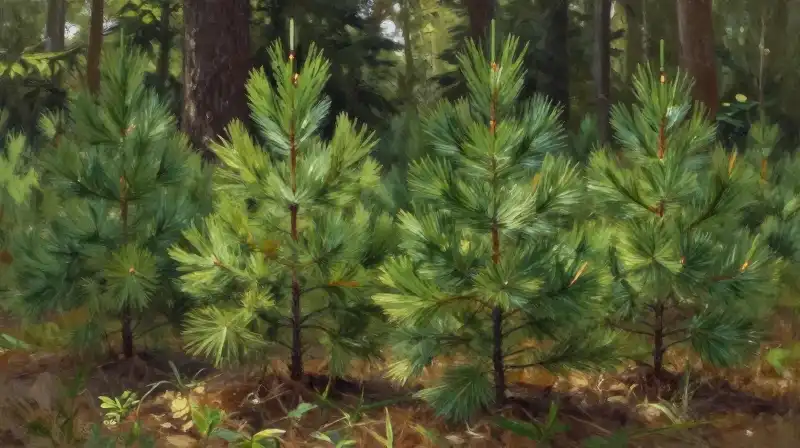
A common point of confusion is the difference between the species and the cultivar. It is important to clarify that a Thunderhead Pine is not simply any Japanese black pine; it is a specific, highly bred cultivar of *Pinus thunbergii*. This distinction is crucial for gardeners because the “Thunderhead” designation refers to a specific genetic trait that results in a more managed, compact, and often more formal growth habit compared to the wild or standard varieties of the species. While a standard Japanese black pine may exhibit a more sprawling or irregular form, the Thunderhead variety maintains a tighter, dense, and more manageable mound, making it ideal for constrained urban environments or structured gardens.
Optimal Growing Conditions and Site Selection

Thunderhead pines are resilient, but their performance is heavily dependent on proper cultural practices, particularly regarding light, soil, and moisture. Getting these foundational elements right is the first step in ensuring year-round foliage and robust health.
Sun and Location Preferences
This pine requires full sun exposure to achieve its best color, density, and growth rate. While it can tolerate partial shade, reduced light will lead to weaker form, thinner foliage, and slower growth. Because of its compact size, it is often used successfully in courtyard gardens or small city spaces where it can serve as a dramatic vertical element.
Soil, Drainage, and Temperature
The species thrives in moist, well-drained soil. While it is adaptable to various types, loamy or sandy soil is preferred as it ensures excellent aeration. It is critical to avoid heavy, waterlogged clay, which can lead to root rot. Thunderhead pines prefer soil that is neutral to slightly acidic. Furthermore, they benefit greatly from cool night temperatures, which help regulate their growth cycle and enhance their vigor.
Design Applications and Mature Size Expectations

Understanding the expected size of the Thunderhead Pine allows designers to plan placement effectively. The cultivar is generally moderate in size and typically grows into a dense, upright mound. While exact maturity can vary based on regional climate and pruning, it typically reaches heights around 10 feet and spreads up to 15 feet, maintaining a compact and shrubby form suitable for structured landscapes.
Using the Pine in Landscape Design
The Thunderhead Pine’s inherent aesthetic makes it versatile for several design styles:
- Asian/Zen Gardens: Its elegant, dense form and year-round structure make it an excellent representative plant for contemplative, structured designs.
- Cottage Gardens: When placed strategically, it provides a dramatic, evergreen focal point that contrasts nicely with softer flowering plants.
- Small/Urban Spaces: Because it maintains a tight, upright, and dense mound, it maximizes visual impact in small beds or large containers.
- Bonsai/Specimen: Its compact nature allows for controlled growth and careful pruning to achieve complex, artistic forms.
Health Management: Addressing Common Problems
Despite its rugged nature, the Thunderhead Pine is susceptible to specific pests and diseases that require proactive monitoring. Addressing potential issues early is key to maintaining its dense, healthy appearance.
Pest Identification and Control
The most frequent pest issues faced by the Thunderhead Pine include:
- Adelgid and Conifer Aphids: These small insects often cluster on new growth, causing discoloration. Treatment usually involves a targeted application of horticultural oil or strong water spray.
- Pine Shoot Moths and Pine Sawflies: These insects lay eggs on the needles. Monitoring for signs of infestation and timing treatments during peak activity periods is essential.
Disease Prevention and Care
Diseases, though less common than pests, can appear, particularly in overly humid or poorly ventilated areas. Two specific issues to watch for are:
- Honey Fungus: This can manifest as a powdery or fuzzy growth on the needles or branches, requiring a reduction in humidity and improved air circulation around the plant.
- Needle Cast: This condition can cause premature browning or drop of needles. Maintaining good soil drainage and ensuring the plant is not overwatered can help mitigate this risk.
Pruning and Maintenance for Form Control

The Thunderhead Pine is naturally compact, but its ultimate shape depends heavily on your maintenance choices. Pruning is not just about correction; it is a deliberate act of design to maintain its signature dense form.
When a Thunderhead Pine is left natural, it tends to maintain a tight, upright, and dense mound. If you are aiming for a more dramatic or sculpted look, regular pruning is necessary. Pruning should be done strategically during the dormant season or in early spring, before the major flush of new growth, to encourage dense, healthy ramification.
Always remember to remove dead wood and damaged branches immediately. By managing pests proactively and ensuring optimal cultural conditions, you can maintain a vigorous specimen that adds significant year-round value to any landscape.
Practical Maintenance Synthesis

To ensure the longevity and health of your Thunderhead Pine, consider this checklist of priorities:
- Prioritize Drainage: Ensure the soil is well-drained to prevent root damage, especially during rainy seasons.
- Manage Competition: In container or small bed settings, ensure the pine is not overcrowded to allow for necessary air circulation.
- Monitor New Growth: Keep a close eye on the silver-white spring candles for signs of discoloration or insect activity.
- Seasonal Care: Provide rich, slow-release fertilizer during the active growing season and allow the plant to rest during the winter months.
Frequently Asked Questions
Is a Japanese black pine the same as a thunderhead pine?
A Thunderhead Pine is not simply any Japanese black pine; it is a specific, highly bred cultivar of Pinus thunbergii. This cultivar possesses a specific genetic trait that results in a tighter, dense, and more manageable mound compared to standard varieties.
How to Grow and Maintain a Thunderhead Pine
Choose the Right Location
Select a spot that provides full sun exposure. Thunderhead Pines are often well-suited for courtyards or small, structured garden spaces.
Prepare Optimal Soil Conditions
Plant in moist, well-drained soil. Loamy or sandy soil is preferred to ensure excellent aeration, avoiding heavy, waterlogged clay which can cause root rot.
Perform Pruning Strategically
If aiming for a sculpted form, perform pruning during the dormant season or in early spring before major new growth to encourage dense, healthy ramification.
Monitor for Pests and Diseases
Keep a close eye on the silver-white new growth for signs of Adelgid, Conifer Aphids, or Pine Shoot Moths. Address issues with horticultural oil, strong water spray, or environmental adjustments.
Manage Water and Humidity
Ensure excellent drainage and prevent overwatering to mitigate needle cast. Reduce humidity and improve air circulation to prevent diseases like Honey Fungus.
Apply Seasonal Fertilization
Provide rich, slow-release fertilizer during the active growing season and allow the plant to rest during the winter months.
Related Articles