Growing Japanese Boxwood: Pros, Cons, and Planting Requirements

Introduction
The Japanese Boxwood (*Buxus microphylla*) is a sought-after evergreen shrub, valued for its dense habit and small, lustrous foliage. Often chosen for creating formal structure in landscape design, this plant offers a versatile solution for borders, hedging, and foundation planting. Before committing to a specimen, it is essential to understand that this plant requires specific care and attention to its natural growth patterns. It is a slow grower with distinct needs regarding light and soil, making it a rewarding choice for those planning intricate, permanent garden features. This guide details the specific pros, cons, and essential planting requirements to help you decide if the Japanese Boxwood is the right fit for your landscape.
Japanese Boxwood Characteristics and Landscape Use
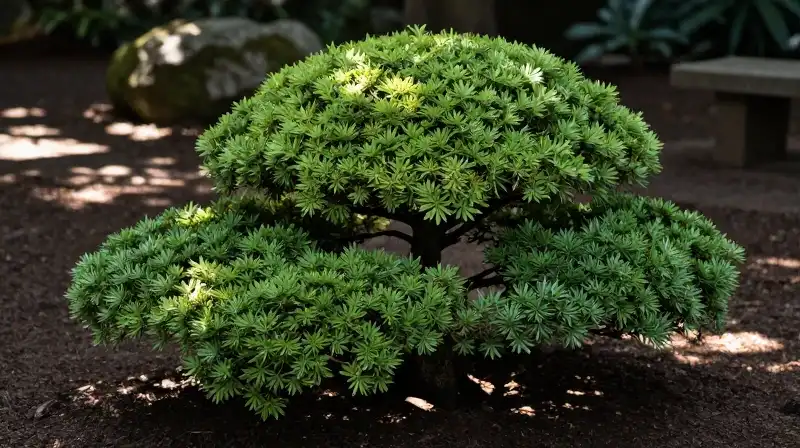
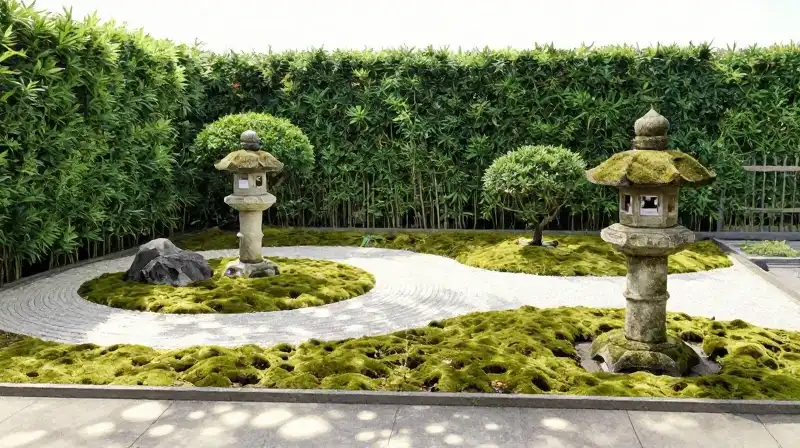 Unlike some common boxwood varieties, the Japanese Boxwood features bright green, oval-shaped leaves that are slightly larger and lighter than the typical dark, waxy foliage found on hybrids. This characteristic contributes to its elegant, lush appearance. It grows to reach a height of 5 to 6 feet and a width of 4 to 6 feet when mature, offering substantial visual impact without requiring an extremely large space. Because of its dense growth, *Buxus microphylla* is exceptionally well-suited for formal garden designs. Its primary applications include:
- **Formal Hedges:** It responds excellently to regular pruning, allowing gardeners to shape it into tight, defined rows.
- **Borders and Edging:** Its compact size and dense cover make it ideal for defining garden pathways or framing flower beds.
- **Small Tree Form:** It can be trained into a compact, multi-stemmed small tree, providing structure in constrained areas.
The Pros and Cons of Planting Japanese Boxwood
Choosing any perennial involves accepting certain trade-offs. Understanding the specific strengths and limitations of *Buxus microphylla* ensures you set accurate expectations for your garden.
Key Advantages (Pros)
The Japanese Boxwood provides several functional benefits that make it a popular choice for design:
- **High Pruning Tolerance:** It is remarkably resilient to frequent, regular pruning, maintaining its dense shape even after heavy shearing. Optimal pruning should be performed in late winter or early spring.
- **Deer Resistance:** This species typically exhibits resistance to deer browsing, making it a safer choice in areas prone to deer damage.
- **Versatile Habitat:** It is moderately drought-tolerant once established and salt-tolerant, allowing it to thrive in coastal or waterway plantings where other shrubs might struggle.
- **Compact Form:** Its growth habit allows it to remain manageable, fitting into structured landscape themes.
Important Limitations (Cons)
To correctly address the question of the cons of Japanese Boxwood, potential growers must consider the following factors:
- **Slow Growth Rate:** Growth is typically modest, often less than 12 inches per year. Because of this, purchasing larger starter plants is advisable to achieve the desired scale and speed of landscape development.
- **Climate Sensitivity:** It is less cold-hardy than some of its more common hybrid relatives. It performs best in temperate zones 5-9, and extreme winter conditions or harsh wind can damage the foliage.
- **Maintenance Needs:** While pruning-tolerant, maintaining a perfect, tight hedge requires consistent, regular trimming.
Soil and Light Requirements for Optimal Growth
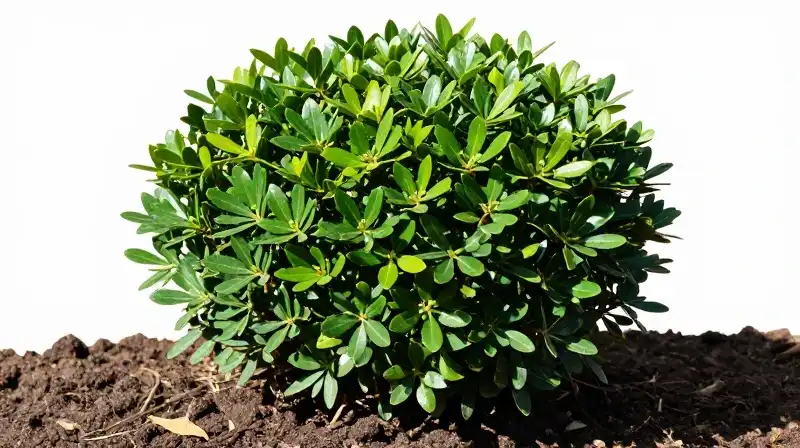 The success of your Japanese Boxwood depends heavily on mimicking its native environment. It prefers certain conditions that promote dense, healthy growth.
Optimal Growing Conditions
The plant thrives in areas that offer protection and moisture:
- **Light:** It requires partial sun to part shade. While it can handle periods of sunlight, full shade is not ideal, nor is harsh, direct, all-day exposure without adequate moisture.
- **Soil:** Ideal soil should be cool, moist, and very well-drained. A slightly acidic soil with a pH of 6.5-7 is optimal for root function.
- **Air Circulation:** Providing good airflow around the plant is important to prevent fungal issues, especially in humid environments.
Planting and Care Instructions
Establishing a healthy Japanese Boxwood involves planning the initial setup and following a rigorous maintenance schedule.
Establishing the Plant
During the planting process, preparation and spacing are critical to long-term health:
- **Site Preparation:** Amend the planting area with organic matter to ensure the soil is moist and well-drained.
- **Plant Spacing:** If you are planting the boxwood to form a formal hedge, maintain a spacing of 2 to 3 feet between plants. This ensures adequate air circulation and prevents overcrowding.
- **Initial Watering:** During the establishment phase, consistent watering is necessary. While the plant is moderately drought-tolerant, it requires regular moisture until the root system is fully developed.
- **Mulching:** Applying a heavy layer of organic mulch around the base of the shrub is highly recommended. This helps to retain crucial moisture and helps regulate soil temperature.
Ongoing Care and Maintenance
To ensure sustained health and structural integrity, consistent care is required.
- **Fertilization:** Apply a balanced, slow-release fertilizer during the active spring growing season to support lush, dense foliage.
- **Pruning Technique:** Pruning should ideally take place in late winter or early spring. By removing dead or thinning growth at this time, you encourage dense, new growth before the plant commits energy to leaf development.
- **Water Management:** Once established, the plant can handle moderate watering, though consistent care is always preferred, particularly during dry spells.
Final Considerations for Success
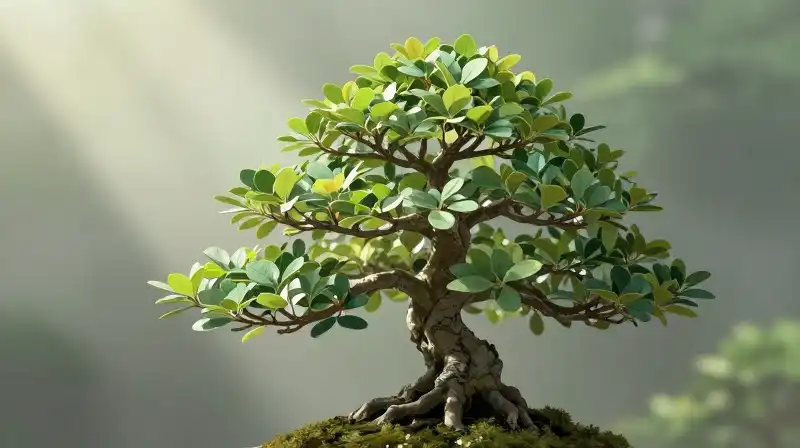 Successful cultivation of the Japanese Boxwood requires patience due to its slow growth rate, but the rewards are a structured, durable, and attractive feature in your garden. Remember that planning is key: choose a variety and location where the growth rate fits your aesthetic needs, ensure the soil is nutrient-rich and well-drained, and commit to regular pruning and consistent watering during the early establishment phase. By respecting its need for partial shade and specific soil pH, you can achieve the dense, lush form that makes this shrub so valuable in landscape design.
Frequently Asked Questions
What are the cons of Japanese Boxwood?
The Japanese Boxwood has a slow growth rate, typically less than 12 inches per year, and is sensitive to extreme winter conditions or harsh wind. Furthermore, maintaining a perfect, tight hedge requires consistent and regular trimming.
How to Plant and Care for Japanese Boxwood
Site Preparation
Amend the planting area with organic matter to ensure the soil is moist and very well-drained, aiming for a slightly acidic pH of 6.5-7.
Plant Spacing
If forming a formal hedge, maintain a spacing of 2 to 3 feet between plants to ensure adequate air circulation and prevent overcrowding.
Initial Establishment
Apply a heavy layer of organic mulch around the base of the shrub to retain moisture and regulate soil temperature, and provide consistent watering until the root system is fully developed.
Fertilization
Apply a balanced, slow-release fertilizer during the active spring growing season to support lush, dense foliage.
Pruning
Perform pruning in late winter or early spring, removing dead or thinning growth to encourage dense, new growth.
Ongoing Water Management
Once established, moderate watering is usually sufficient, but consistent care is preferred, especially during dry spells.
Related Articles