Brandywine Viburnum: From Glossy Leaves to Blue Berries

Introduction
The Brandywine Viburnum, a cultivar of Viburnum nudum, is celebrated for its remarkable seasonal transformation rather than a single, static display. This shrub offers a continuous visual interest cycle, evolving from delicate spring blooms through vibrant autumn foliage and culminating in a spectacular display of color-changing berries. It is an excellent landscape specimen for those who appreciate the subtle yet dramatic shifts in garden palettes from late summer through the colder months.
Unlike many shrubs that display a single, dominant characteristic, the appeal of the brandywine viburnum lies in its ability to transition. The plant provides structure and color, ensuring that even as other seasonal plants fade, the shrub itself continues to change—a process that moves from the initial glossy green to deep reds, and finally to striking blues. Understanding this progression is key to integrating it successfully into your perennial borders or landscape design.
The Seasonal Cycle: Foliage and Bloom
The life cycle of the brandywine viburnum begins with the appearance of its foliage. In the spring, the new leaves emerge with a smooth, glossy texture and a relatively light, fresh green color. These leaves form the base of the shrub, providing structure before the first burst of color arrives.
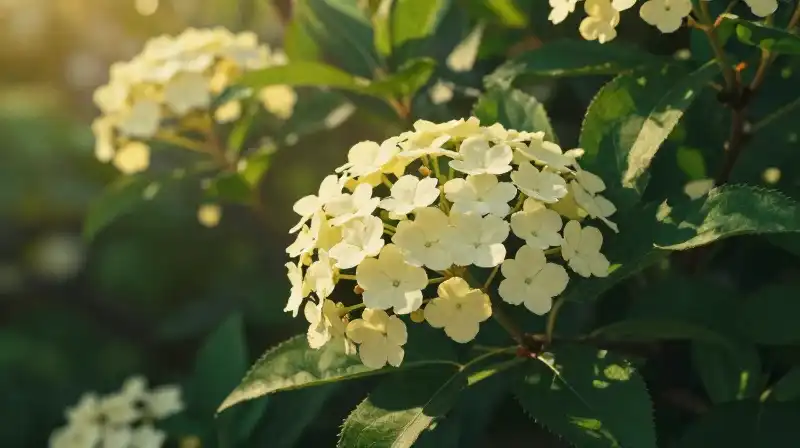
When the plant reaches its peak during the spring, it produces its characteristic flowers. These blooms introduce the initial burst of color and scent to the garden. As the season shifts, the foliage undergoes its most dramatic change. In the fall, the leaves transition from their initial green to a rich, striking red. This coloration is not fleeting; the foliage typically persists into the late autumn, providing a warm backdrop for the maturing berries and offering sustained visual appeal well after the flowering period has ended.
Berry Development: A Study in Color Progression
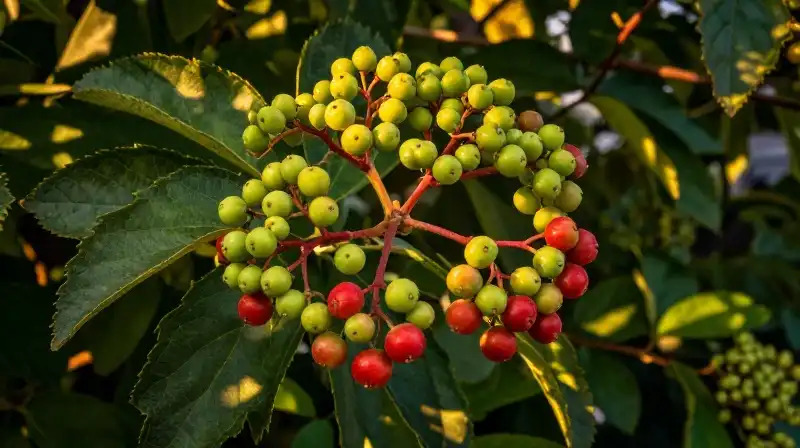
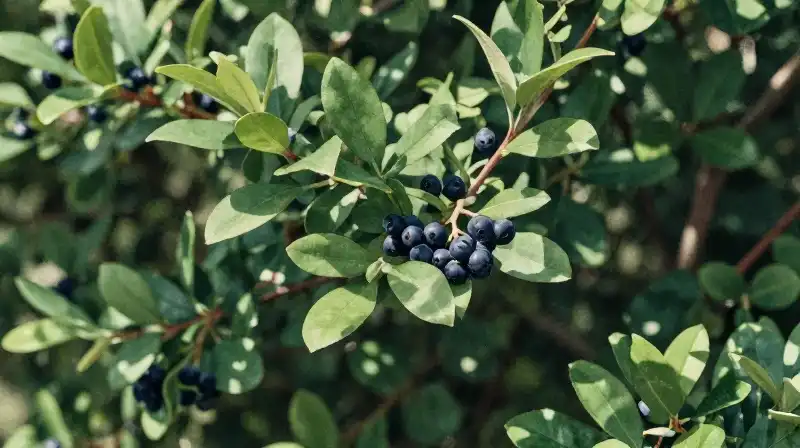
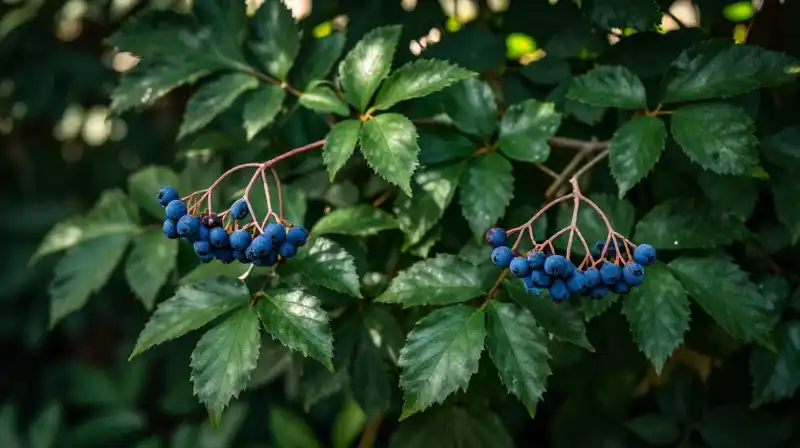
The berries of the brandywine viburnum are arguably its most captivating feature. They are not a uniform color but undergo a sophisticated, multi-stage change throughout the late summer and autumn. This color progression creates a dynamic visual feast that catches the eye at multiple times of the year:
- Late Summer: Berries typically start as a muted green.
- Early Autumn: They begin transitioning, often developing bright white hues.
- Mid-Autumn: As the transition continues, shades of pink and blue begin to appear.
- Late Autumn/Winter: By the time the foliage is fully red, the berries fully mature into a deep, vibrant blue.
These mature blue berries serve an ecological purpose; they are a crucial food source for many birds as temperatures drop, making the shrub a functional wildlife anchor in a garden.
Managing High Production and Structural Integrity
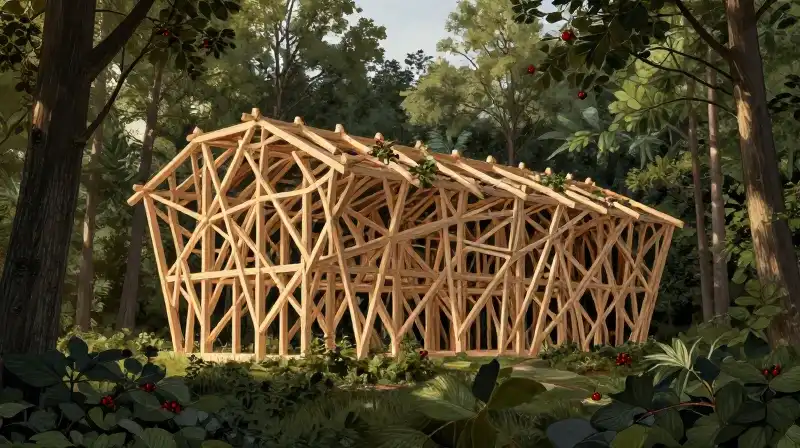
One of the notable traits of the brandywine viburnum is its heavy fruiting capacity. While this abundance of berries is a sign of a healthy, vigorous plant, excessive production can lead to a high volume of weight, potentially placing structural stress on the branches. This is a critical factor for proper plant care.
To mitigate the risk of branches snapping or bending under the weight of an overwhelming harvest, consider the following proactive strategies:
- Strategic Pruning: While heavy pruning should be avoided for the best flowering and fruiting, judicious thinning of overcrowded interior branches can improve air circulation and reduce localized weight.
- Support Systems: In larger, more exposed settings, especially if the shrub is densely packed, ensuring the ground is stable and the roots are healthy helps maximize the plant’s load-bearing capacity.
- Acceptance and Allocation: If the shrub is in a visible or accessible area, harvesting some of the berries can relieve pressure and ensure the plant maintains its structural integrity throughout the cycle.
Practical Care and Environmental Considerations
To ensure the brandywine viburnum thrives and displays its full seasonal spectrum, basic care practices must align with its specific needs. This shrub generally prefers conditions that allow it to establish a strong, deep root system.
Key elements of successful cultivation include:
- Light Requirements: It generally performs best in areas receiving adequate sunlight, though it can tolerate partial shade. Consistent sun exposure encourages stronger fruiting and richer fall coloration.
- Soil Preference: As a vigorous shrub, it benefits from well-drained, nutrient-rich soil. Avoid overly heavy clay soils that can hold too much moisture, which can lead to root issues.
- Climate and Hardiness: It is generally resilient and adaptable, but its hardiness dictates the specific zones in which it can flourish. Proper establishment in a site that matches its regional climate is the foundation of its long-term health.
Summary of Maintenance Priorities
The brandywine viburnum is a highly rewarding choice for garden design due to its predictable, multi-stage display. However, its impressive display requires thoughtful maintenance. The primary priority for the plant owner is balancing the enjoyment of its heavy productivity against the necessity of structural preservation.
When integrating this shrub into a landscape, focus not only on its vibrant seasonal changes—the glossy greens, the blazing reds, and the deepening blues—but also on its role as a sustainable food source for local bird populations. By being mindful of its heavy fruiting cycles and ensuring proper drainage and light exposure, you can ensure the brandywine viburnum provides a spectacular, multi-season show year after year.
Managing the Structural Integrity of Brandywine Viburnum
Proactive strategies to mitigate the risk of branches snapping or bending under the weight of a heavy harvest.
Strategic Pruning
Judiciously thin overcrowded interior branches to improve air circulation and reduce localized weight, while avoiding heavy pruning that might hinder flowering and fruiting.
Implementing Support Systems
In larger or more exposed settings, ensure the ground is stable and the plant's roots are healthy to maximize the shrub's load-bearing capacity.
Acceptance and Allocation (Harvesting)
If the shrub is visible or accessible, harvest a portion of the berries to relieve pressure on the branches and help maintain structural integrity throughout the growing cycle.
Related Articles