Parsley Root Guide: Growing, Planting, and Culinary Uses

Introduction
>Parsley root is a distinct, dual-purpose crop: part perennial herb, part edible root vegetable. Often known as Hamburg rooted parsley or Dutch parsley, this variety offers both the fresh, nutty flavor of its leaves and the creamy, earthy sweetness of its white, carrot-like root. Growing parsley root successfully requires specific attention to both its cool-season nature and a unique germination process. Unlike standard flat-leaf parsley, which is prized for its culinary use as a garnish or in sautés, rooted parsley is a versatile addition to fall soups, stews, and roasting dishes, adding a unique celery-like depth of flavor.
Understanding Rooted Parsley (Petroselinum crispum var. tuberosum)
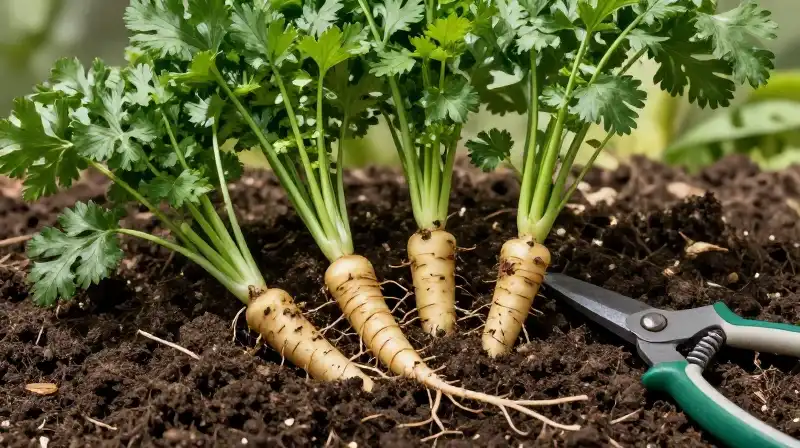
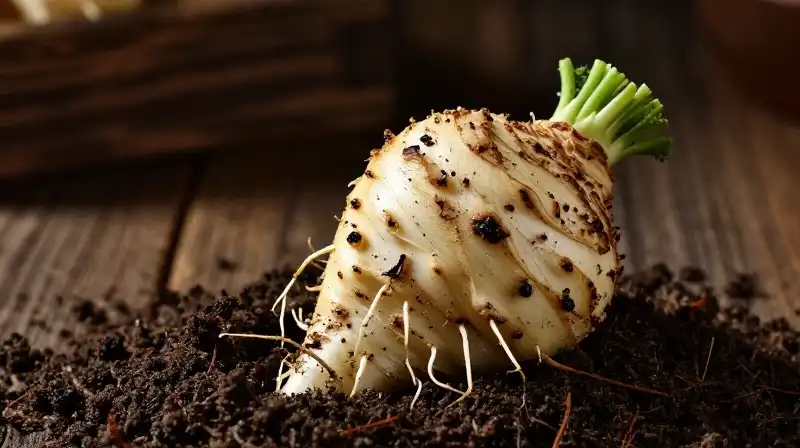 >Unlike its common cousins, rooted parsley produces a distinct, slender root typically measuring six to eight inches (15 to 20 cm). Its genetic classification is Open Pollinated, making it an ideal heirloom for home gardeners. The leaves are edible and function like flat-leaf parsley, while the roots possess a mild, nutty, and slightly sweet profile, offering characteristics similar to a parsley-flavored parsnip.
Nutrition and Traditional Uses
>Nutritionally, parsley root and its leafy tops are packed with antioxidants, providing Vitamin C, potassium, magnesium, and folate. Historically, this plant has been valued for its traditional medicinal properties. For example, its vitamin profile has led to historical references regarding its use as a potential substitute for quinine in addressing malaria, and it was once incorporated into teas intended to aid digestion, alleviate rheumatism, and manage high blood pressure.
Growing Rooted Parsley: The Germination Secret
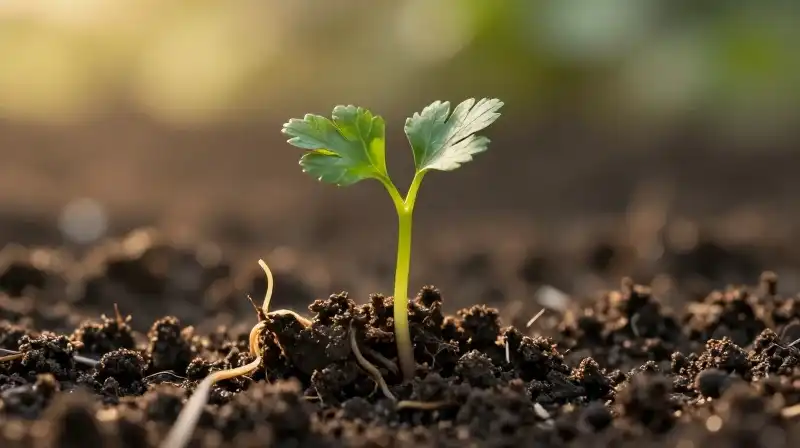 >While rooted parsley is a cool-season biennial often grown as an annual, achieving successful germination requires a precise pre-treatment process for the seeds. Failure to follow these steps is one of the most common reasons for low yields.
Detailed Seed Preparation and Planting Techniques
>To maximize germination rates, the seeds must be intentionally stressed before sowing:
- Freezing: Start by storing the seeds in a freezer for three to five days.
- Soaking: After freezing, soak the seeds in warm water for approximately eight hours.
- Sowing: Sow the seeds in light, friable soil. A quarter of an inch (about 0.5 cm) is the optimal planting depth.
>Optimal development demands high-quality soil. Parsley root thrives in loose, well-drained soil, which should ideally be amended with compost. Although some sources suggest the seeds can be improved by refrigerating them, the required freezing and soaking steps are the most critical components for a successful start.
Cultivation Requirements and Care
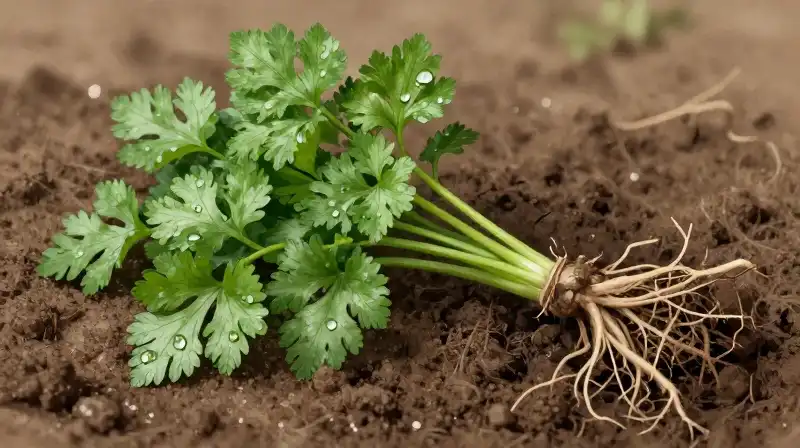 >Parsley root is a robust plant, but its development depends heavily on environmental consistency.
Sunlight, Temperature, and Watering
>Ideal planting requires at least six to twelve hours of sunlight. Although it is a cool-season plant, consistent watering is necessary during summer months. This prevents the root from becoming brittle and minimizes the risk of it “forking” or splitting. Light cover over the seeds is recommended to encourage germination, and darkness during the early stages supports optimal root development.
Thinning for Thick Roots
>Once seedlings have emerged, a thinning process is mandatory. Thin them to a spacing of roughly three inches (7.5 cm) apart. This prevents overcrowding and ensures that each plant has the space needed to develop a thicker, more substantial root. For best results in a root vegetable bed, allow 12 to 24 inches of spacing between the planted rows.
Harvesting and Storage of Parsley Root
>Harvesting is a gradual process that allows you to enjoy the crop throughout the growing season.
When to Harvest and How Long to Grow
>Parsley root typically matures and is ready for harvest about 90 days after germination. However, since it is robust, you can harvest gradually throughout the growing season. Harvesting the root can continue until a killing frost arrives. Furthermore, the leaves can also be harvested at various times to supplement your fresh herb intake.
Storing Your Roots Correctly
>Proper post-harvest care is simple. Once the roots are gathered, wrap them in a paper towel and place them in a plastic bag. Storing them in the refrigerator this way will help preserve their quality for approximately one week.
Culinary Applications and Flavor Profiles
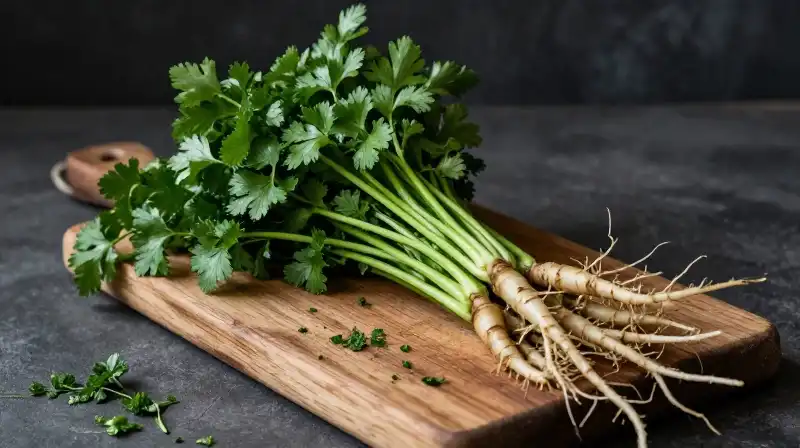 >Rooted parsley transforms from a garden plant into a flavorful ingredient, blending the fresh notes of an herb with the sweetness of a tuber.
Flavor Characteristics
>The root’s flavor is described as fresh, nutty, and earthy. Interestingly, many find it to be sweeter than a typical parsnip, with distinct hints of celery and parsley. The leafy tops can be used culinarily similar to flat-leaf parsley, adding a bright, herbaceous flavor to dishes.
Practical Uses for Cooked Roots
>Rooted parsley is a powerhouse in the kitchen. Its density and flavor make it perfect for robust recipes:
- Roasting: Halved and roasted, the roots develop a caramelised, rich flavor.
- Soups and Stew: It provides a creamy texture and earthy depth, especially in hearty fall and winter dishes.
- Sautéing: It can be diced and sautéed to add a sweet, tender base to stir-fries or braises.
Addressing Common Confusion: Rooted Parsley vs. Parsnips
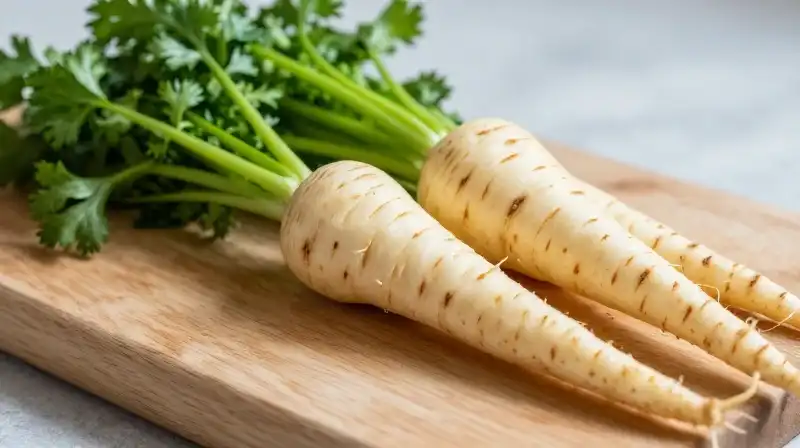 >A frequent question when exploring root vegetables is how they compare to similar items. While both rooted parsley and parsnips belong to similar root-forming families, they offer distinct flavor and usage profiles.
| Feature | Rooted Parsley (Hamburg Parsley) | Parsnip |
|---|---|---|
| Flavor Profile | Nutty, earthy, celery-like, fresh, slightly sweeter than a parsnip. | Sweet, mild, earthier. |
| Leaf Usage | Highly usable, resembling flat-leaf parsley. | Minimal to none (often discarded). |
| Culinary Role | Excellent in stews and roasting for depth and herb-note. | Primarily used for mashing or sweet side dishes. |
Addressing Health Misconceptions
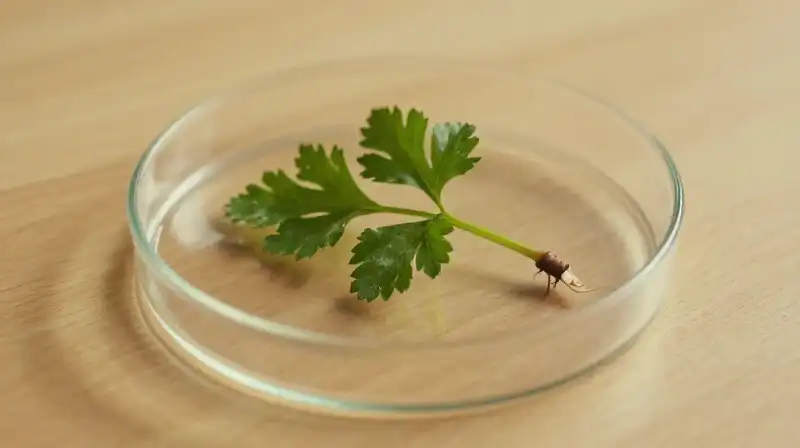 >A common search query involves the health benefits of parsley. While parsley is rich in beneficial vitamins and antioxidants, it is important to clarify its specific uses. While the plant has historical associations with treating UTIs and other health concerns, these claims are anecdotal or limited to traditional uses. Its most reliable modern application is as a highly nutritious, flavor-enhancing addition to a healthy diet.
Decision Criteria for Your Garden
>Rooted parsley provides exceptional value because it merges the functions of two common plants. If you are looking for a versatile cool-season crop, prioritize varieties that are “Open Pollinated” for reliable heirloom quality. Ensure you have deep, loose soil and dedicate sufficient time to the seed-freezing and soaking protocol to guarantee a strong start. Use the thick, earthy root in winter comfort foods and the fresh, vibrant leaves in spring and summer preparations.
Frequently Asked Questions
Is parsley leaf good for UTI?
The article notes that the plant has historical associations with treating UTIs, but these claims are limited to anecdotal or traditional uses. Its most reliable modern application is as a highly nutritious, flavor-enhancing addition to a healthy diet.
How to Grow Rooted Parsley
Freeze the Seeds
Start by storing the seeds in a freezer for three to five days.
Soak the Seeds
After freezing, soak the seeds in warm water for approximately eight hours.
Sow the Seeds
Sow the seeds in light, friable soil at a quarter of an inch (about 0.5 cm) depth.
Water and Thin
Ensure consistent watering during the summer months to prevent roots from splitting and thin the seedlings to a spacing of roughly three inches (7.5 cm) apart.
Allow for Growth
Allow the plants to grow, harvesting leaves as needed, and harvesting the root approximately 90 days after germination or when a killing frost arrives.
Store the Roots
Once the roots are gathered, wrap them in a paper towel and place them in a plastic bag in the refrigerator to preserve their quality for approximately one week.
Related Articles