Foxtail Palm: Complete Guide to Growing and Using This Tropical Accent

Introduction
The Foxtail Palm, scientifically known as *Wodyetia bifurcata*, is a highly sought-after tropical specimen prized for its striking “bush-like” fronds and lush, vibrant appearance. Characterized by its smooth gray trunk and bright green crownshaft, it is an ideal plant for creating an instant tropical resort aesthetic. While often confused with the Christmas Palm, the Foxtail Palm is faster-growing, more flexible in its growth habit, and maintains its characteristic arching fronds year-round. Whether you are looking for a dramatic focal point in a garden or a stylish accent indoors, understanding its specific care requirements is key to successful cultivation.
Identifying the Foxtail Palm and its Origin
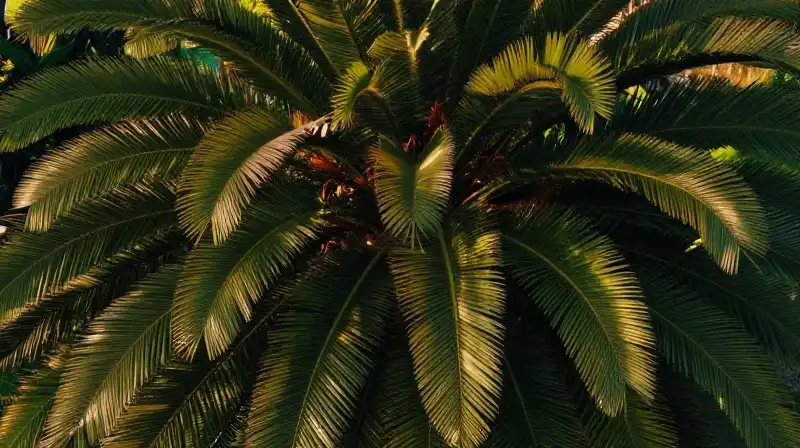
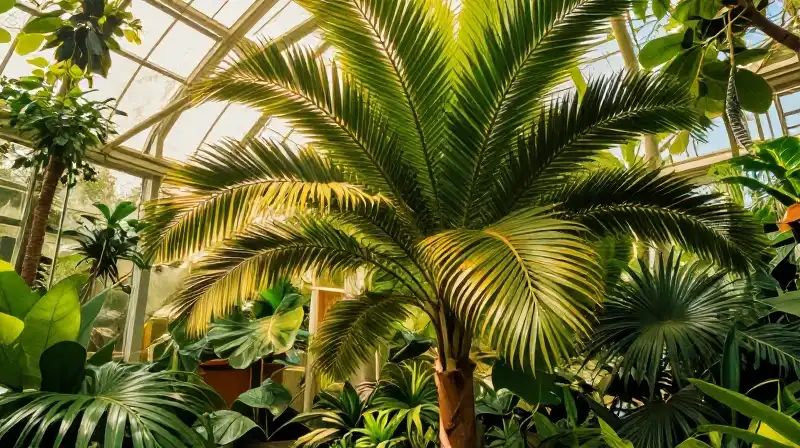
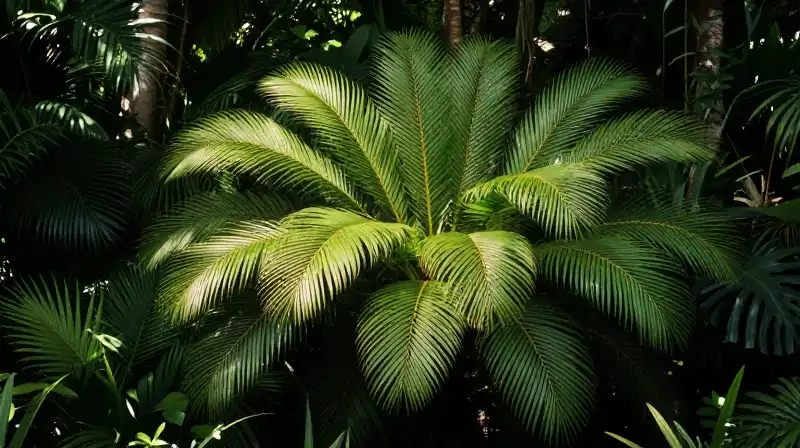
A fox palm is easily identified by the unique structure of its fronds. Each leaf (frond) is stiff, arching, and composed of long, slender leaflets that protrude from the stem, giving the plant the appearance of a fluffy, stylized fox’s tail. These fronds are consistently full and rounded, maintaining their deep green color throughout the year.
Hailing from Queensland, Australia, the Foxtail Palm is adapted to warm environments and thrives in tropical and subtropical climates. It is naturally resilient, classified as drought-tolerant once mature, and is known for its reliable self-cleaning habit, meaning older fronds naturally drop off as new ones emerge.
Optimal Growing Conditions and Hardiness
The Foxtail Palm is a robust plant, but it requires specific conditions to thrive. It is essential to determine if your climate can support its outdoor growth.
- Temperature and Hardiness: This palm is typically best suited for USDA Hardiness Zone 10. However, it can successfully thrive in the milder borders of Zone 9B. Cold temperatures are the primary factor that can damage the plant.
- Sun Requirements: For optimal health, full, abundant sunlight is needed. While it can tolerate partial shade, too much shade can inhibit its growth and dull the vibrancy of the fronds.
- Soil and Watering: It requires well-draining soil. Planting media consisting of organic peat humus or rich topsoil is ideal. Although moderately drought-tolerant once established, consistent water availability during its growth phase is important, particularly in young specimens.
Care and Maintenance Practices
Because the Foxtail Palm is a heavy feeder, consistent care is crucial to maintaining its dense, healthy appearance. Proper maintenance involves fertilization, watering, and positioning.
- Fertilization: It is highly recommended to use granular palm fertilizer during the spring, summer, and autumn months. Supplying supplementary feedings of manganese or magnesium can significantly enhance the plant’s deep, rich green coloration.
- Planting Depth: When planting outdoors, ensure the trunk is not buried too deeply. Use appropriate planting distance—at least 8 feet away from structures like homes—to allow the palm ample room to grow into a mature, showy specimen.
- Indoor Care: When used as an indoor plant, it must be placed in a brightly lit room to mimic its need for full sun. Its robust nature also allows the trunk to potentially be utilized as a structural element for outdoor fixtures.
Using the Foxtail Palm in Landscape Design and Indoor Spaces
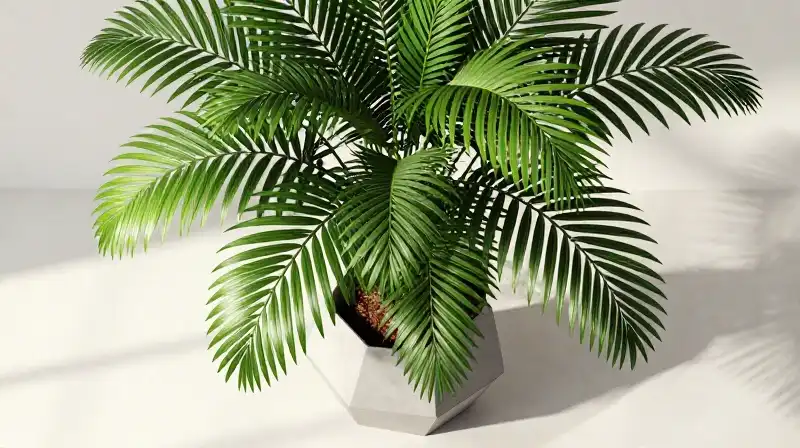
The Foxtail Palm offers versatile applications in both outdoor and indoor design, making it a popular choice for designers aiming to provide an instant tropical feel.
Outdoor Applications:
- Focal Point: A single, mature specimen makes an excellent, dramatic centerpiece.
- Accents and Borders: It performs well in border plantings or when utilized in clusters of three or more to create visual density.
- Water Features: It is particularly suited for planting around pools and patio areas where a vibrant, lush look is desired.
Indoor Applications:
In its juvenile phase, the Foxtail Palm transitions well to large containers for indoor use. When placed in a bright area, it provides a striking vertical accent and brings a vibrant, tropical ambiance into the home.
Addressing Common Concerns and Limits
While the Foxtail Palm is generally known for its beauty, it is important to understand its limitations and address common anxieties.
Does the Foxtail Palm bear fruit?
Mature specimens are capable of producing showy clusters of bright red fruit, which contain seeds. This is an attractive feature that adds to its tropical appeal.
What are the disadvantages of foxtail palms?
The primary limitations include its sensitivity to cold; frost or hard freezes will damage or kill the plant. Furthermore, as a fast-growing species, it requires sufficient space; planting it too closely in a small yard can lead to crowding and health issues. It is also a heavy feeder, meaning those who neglect fertilization may see the plant struggle to maintain its deep color and vigor.
Conclusion and Practical Considerations
The Foxtail Palm is an easy-to-maintain, eye-catching tropical tree that provides significant visual impact. To ensure your plant thrives, focus on providing maximum sunlight and consistent nutritional support through regular feeding. If outdoor installation is planned, ensure your locale meets the Zone 10 minimum and keep an eye on its placement relative to the house to prevent structural conflicts. By selecting the appropriate plant size and ensuring its needs—especially for light and feeding—are met, you can successfully incorporate this stunning, resilient palm into your desired landscape or interior decor.
Frequently Asked Questions
What are the disadvantages of foxtail palms?
The primary limitations of foxtail palms include their sensitivity to cold, which can damage or kill the plant, and the need for sufficient space to avoid crowding and health issues. Furthermore, they are heavy feeders, meaning neglecting fertilization can cause the plant to struggle with its deep color and vigor.
What is a fox palm?
The fox palm, scientifically known as Wodyetia bifurcata, is a tropical specimen distinguished by its stiff, arching fronds. These fronds consist of long, slender leaflets that protrude from the stem, creating a full, rounded shape that resembles a stylized foxs tail.
Caring for a Foxtail Palm
Fertilize
Use granular palm fertilizer during the spring, summer, and autumn months. Supplement feedings of manganese or magnesium to enhance deep green coloration.
Ensure Proper Soil and Water
Plant in well-draining soil using organic peat humus or rich topsoil, providing consistent water availability, especially for young specimens.
Manage Planting Depth and Distance
When planting outdoors, ensure the trunk is not buried too deeply, and maintain a distance of at least 8 feet from structures.
Maintain Indoor Conditions
If used indoors, place the palm in a brightly lit room to mimic the requirement for full sun.
Related Articles